
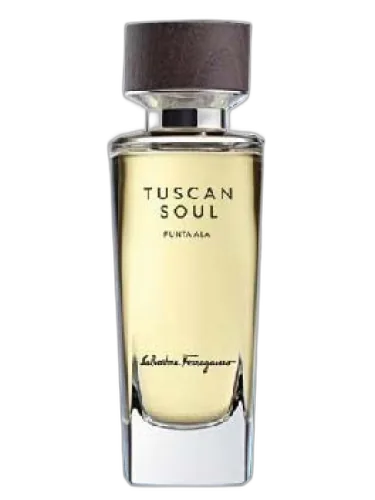

Punta Ala (2014) Salvatore Ferragamo
At a glance
Is Punta Ala (2014) Salvatore Ferragamo worth trying?
Punta Ala (2014) by Salvatore Ferragamo is a Woody Aromatic fragrance for women and men.
- Best match
- Casual wear in Spring, Summer
- Performance feel
- Moderate longevity with Moderate sillage
- Signature profile
- woody, citrus, aromatic with Citruses, Olive Tree, Cedar
The first impression
Punta Ala (2014) by Salvatore Ferragamo is a Woody Aromatic fragrance for women and men. Punta Ala (2014) was launched in 2014. The nose behind this fragrance is Alberto Morillas. Top note is Citruses; middle note is Olive Tree; base notes are Cedar and Vetiver.
What shapes the scent
The perfumer behind it

Alberto Morillas
Alberto Morillas is a master perfumer based in Geneva, Switzerland, and a longtime collaborator with Firmenich. His style is known for refined, luminous compositions that balance natural elegance with modern clarity. He created the bold leather and spice of Amouage Opus VII - Reckless Leather, the fresh citrus depth of Acqua di Parma Colonia Intensa, and the woody warmth of Aedes de Venustas Palissandre D'or. His work has shaped contemporary perfumery across both niche and luxury houses.
Notes pyramid
Top Notes
First impression · 15-30 min
 Citruses
Heart Notes
Core character · 2-4 hours
 Olive Tree
Base Notes
Lasting impression · 4+ hours
 Cedar
Cedar
 Vetiver
The mood it creates
The Wanderer Archetype: Portrait of Punta Ala (2014) Salvatore Ferragamo
Essence
The 2014 iteration of Punta Ala embodies the Wanderer archetype-a quieter, more introspective cousin to the Explorer. Where citrus notes once burst with enthusiasm, here they unfold pensively, like memories of journeys past. Olive tree and vetiver speak of solitude sought not for thrill, but for clarity.
This Wanderer moves through the world with deliberate slowness. The absence of floral middle notes reflects their preference for raw landscapes over cultivated gardens, finding poetry in gnarled branches and wind-scrubbed cliffs.
Style & Aesthetic
Their clothing leans toward utilitarian neutrals-sturdy trousers, a well-worn sweater. The cedar note lingers like woodsmoke in wool fibers, suggesting campfires and rustic cabins. Everything they own serves a purpose, yet carries an aura of quiet dignity.
Their living space is minimalist but warm, with exposed beams and handmade ceramics. A single olive branch in a glass vase might be the only decoration, catching light like the fragrance's subtle citrus halo.
Philosophy & Values
They believe in the sanctity of empty spaces, both physical and mental. The olive tree's resilience mirrors their own-rooted enough to bend without breaking during life's storms. Vetiver's earthiness grounds their conviction that truth is found in unembellished realities.
Unlike the Explorer's thirst for novelty, the Wanderer seeks depth in repetition-the same mountain path walked daily, revealing new details each time.
Relationships
They cultivate few but profound connections. Friends know them as the one who arrives unannounced with foraged herbs or a bottle of good wine, then listens more than speaks. Romantically, they perplex those who crave constant togetherness, yet inspire fierce loyalty in kindred spirits.
Their love language is shared silence on a predawn hike, watching mist rise from valleys below.
Lifestyle
Days begin before sunrise with black coffee and a notebook. They might work with their hands-pottery, woodworking-or in fields requiring patient observation like forestry or astronomy. The moderate sillage reflects their unobtrusive presence in communal spaces.
Evenings are for reading or mending gear by lamplight. Their calendar has wide margins, breathing room between commitments.
Shadow
Their self-sufficiency can curdle into emotional austerity, the citrus notes fading too quickly into woody detachment. At times, they mistake isolation for independence, like a tree stubbornly growing away from the forest.
The cedar's durability hints at their greatest fear-that by always being ready to leave, they've forgotten how to stay.
Conclusion
Punta Ala (2014) is a meditation in scent form. It speaks of worn boots and sun-bleached maps, of knowing a place deeply precisely because you've never tried to own it. The Wanderer wears this fragrance as both compass and anchor, a reminder that some journeys measure time in footsteps rather than miles.
If you like this, try these
Fragrances with a comparable profile - shared accords, notes, and character.

Castle Forbes
Vetiver Castle Forbes
Shared top notes: citruses
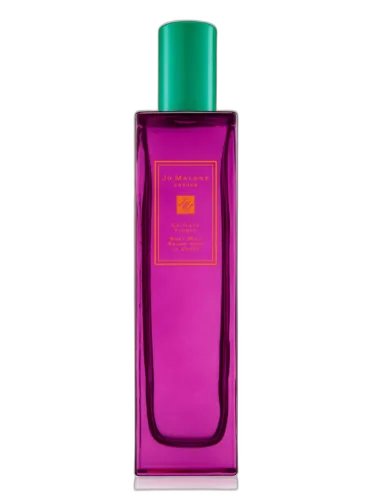
Jo Malone London
Cattleya Flower Body Mist Jo Malone London
Shared top notes: citruses
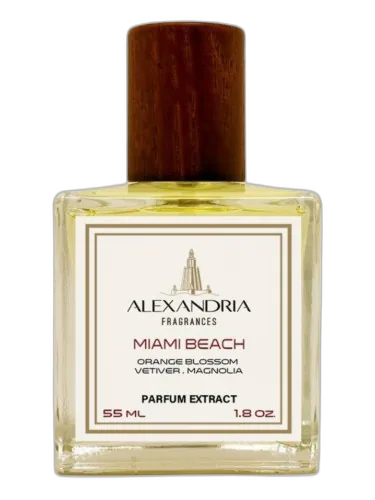
Alexandria Fragrances
Miami Beach Alexandria Fragrances
Shared top notes: citruses
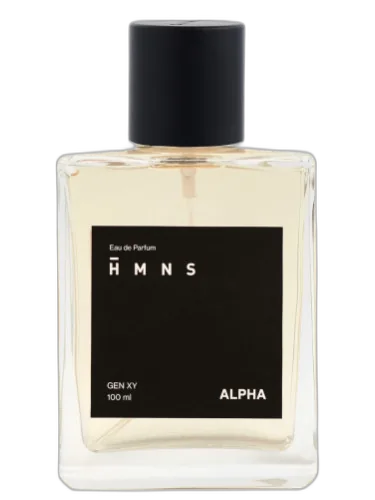
HMNS
Alpha Hmns
Shared top notes: citruses
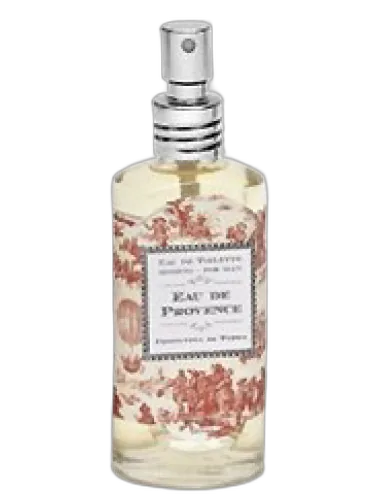
Companhia da Terra
Eau De Provence Companhia Da Terra
Shared top notes: citruses