
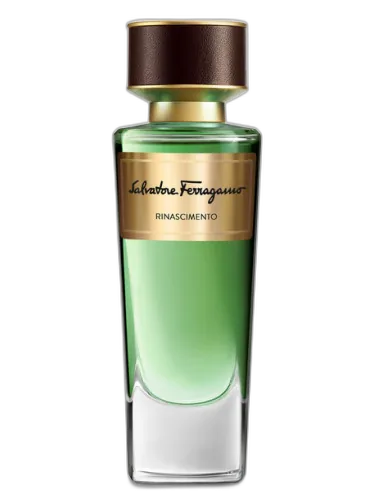

Rinascimento Salvatore Ferragamo
At a glance
Is Rinascimento Salvatore Ferragamo worth trying?
Rinascimento by Salvatore Ferragamo is a Floral fragrance for women and men.
- Best match
- Evening wear in Spring
- Performance feel
- Good longevity with Moderate sillage
- Signature profile
- white floral, fresh spicy, tuberose with Mandarin Orange, Basil, Pepper
The first impression
Rinascimento by Salvatore Ferragamo is a Floral fragrance for women and men. Rinascimento was launched in 2018. The nose behind this fragrance is Alex Lee. Top notes are Mandarin Orange, Basil and Pepper; middle notes are Lily, Tuberose and Iris; base notes are Sandalwood, Vetiver and Ambroxan.
What shapes the scent
The perfumer behind it

Alex Lee
Alex Lee is a perfumer known for his work with brands like 4711, Armaf, and BORNTOSTANDOUT®. His style blends modern freshness with bold, unconventional accords, as seen in creations like Dirty Rainbow and Drunk Maple. Lee’s approach often reinterprets classic structures, such as the 4711 Remix Cologne Urban Summer 2020, while exploring playful, gourmand themes in Mad Honey and Nanatopia.
Notes pyramid
Top Notes
First impression · 15-30 min
 Mandarin Orange
 Basil
Basil
 Pepper
Heart Notes
Core character · 2-4 hours
 Lily
Lily
 Tuberose
 Iris
Iris
Base Notes
Lasting impression · 4+ hours
 Sandalwood
 Vetiver
 Ambroxan
The mood it creates
The Lover Archetype: Portrait of Rinascimento Salvatore Ferragamo
Essence
Archetype: The Creator
The person who gravitates toward Rinascimento Salvatore Ferragamo is a modern embodiment of the Creator archetype-one who seeks to shape their world with artistry, intellect, and a refined sensibility. The fragrance itself-a blend of citrus, spices, and woody depth-mirrors their layered personality: bright yet grounded, classical yet innovative. They are not content with mere existence; they must transform it into something meaningful.
Style & Aesthetic
Their aesthetic is a paradox: timeless yet contemporary, opulent yet restrained. They favor tailored silhouettes, rich textures, and muted colors that suggest depth rather than flamboyance. Their home is a curated space-antique books alongside modern design, a single perfect orchid in a hand-thrown ceramic vase. They appreciate the weight of history in objects but refuse to be bound by nostalgia.
In music, they might oscillate between Baroque compositions and avant-garde jazz, finding harmony in dissonance. Their literary tastes lean toward the poetic and philosophical-Rilke, Borges, or Nietzsche himself-works that demand reflection rather than passive consumption.
They thrive in environments that stimulate creativity-art studios, libraries, quiet cafés where ideas can simmer. Their daily rituals are deliberate: morning espresso in a porcelain cup, evening walks through cobblestone streets, always attuned to the subtle textures of life. They disdain haste, seeing it as the enemy of depth.
Yet, this measured existence can tip into indulgence. They may become overly fastidious, turning life into a performance rather than an organic flow. Their pursuit of perfection can paralyze them-unfinished projects, abandoned drafts, the fear that nothing will ever meet their standards.
Philosophy & Values
Their worldview is shaped by a deep reverence for beauty, not as mere ornamentation but as a force that elevates the human spirit. They believe in the power of craftsmanship, whether in thought, art, or daily life. Tradition is not a cage but a foundation-they respect the past while insisting on reinventing it. Their guiding principle is ars gratia artis: art for art’s sake, but also art as a means of self-discovery.
Yet, this idealism has its shadow. They can become so enamored with their own vision that they dismiss what is practical or mundane. They may disdain the "ordinary" as unworthy of their attention, forgetting that even the most transcendent ideas must sometimes bow to reality.
Relationships
They are magnetic but not easily known. Their charm lies in their ability to listen deeply and speak with precision, but they guard their inner world carefully. They attract admirers, yet few truly penetrate their solitude. Romantic partners must be both muse and equal-someone who can match their intellectual fervor and aesthetic passion.
Their shadow here is a tendency toward emotional detachment. They may intellectualize feelings, treating love as an abstract concept rather than a lived experience. When disappointed, they retreat into their own world, dismissing vulnerability as weakness.
Shadow
The Creator’s greatest danger is solipsism-the belief that their vision is the only one that matters. When unchecked, they become the aloof artist, dismissive of those who do not share their tastes or aspirations. Their disdain for the mediocre can curdle into arrogance, isolating them from the very humanity they seek to elevate.
To transcend this, they must learn that creation is not just an act of will but of connection. True artistry requires both mastery and humility-the willingness to be flawed, to be human. Only then can their Renaissance spirit find its fullest expression.
In the end, the lover of Rinascimento is neither purely dreamer nor purely critic-they are both, forever balancing the weight of tradition with the fire of reinvention. Their life is a work in progress, an unfinished masterpiece, and that is precisely how they prefer it.
If you like this, try these
Fragrances with a comparable profile - shared accords, notes, and character.

Lacoste Fragrances
L.12.12. Rose Eau Intense Lacoste Fragrances
Shared top notes: mandarin orange, pepper

Guerlain
Joyeuse Tubéreuse Guerlain
Shared heart notes: lily, tuberose
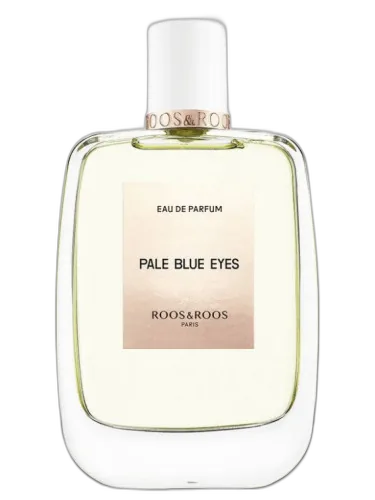
Roos & Roos
Pale Blue Eyes Roos & Roos
Shared top notes: mandarin orange
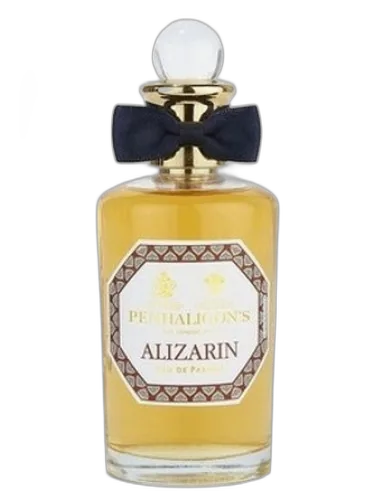
Penhaligon's
Alizarin Penhaligon's
Shared top notes: mandarin orange

AXE
Kilo Axe
Shared top notes: basil, mandarin orange