
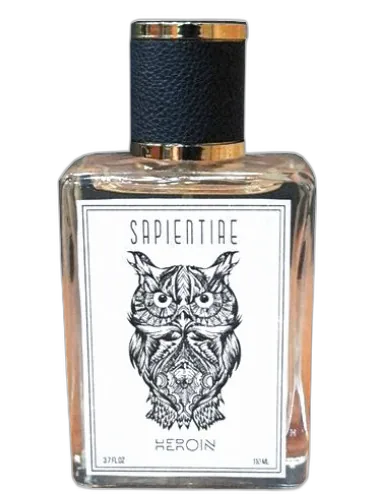
Heroin Sapientiae Niche
At a glance
Is Heroin Sapientiae Niche worth trying?
Heroin by Sapientiae Niche is a Oriental Woody fragrance for men.
- Best match
- Evening wear in Fall
- Performance feel
- Excellent longevity with Strong sillage
- Signature profile
- vanilla, almond, woody with Almond, Absinthe, Absinthe
The first impression
Heroin by Sapientiae Niche is a Oriental Woody fragrance for men. Heroin was launched in 2017. The nose behind this fragrance is Sanderson Santana. Top notes are Almond and Absinthe; middle notes are Absinthe, Cedar and Ylang-Ylang; base notes are Vanilla, Resin, Sandalowood, Leather, Patchouli and Oakmoss.
What shapes the scent
The perfumer behind it

Sanderson Santana
Sanderson Santana is a perfumer for Sapientiae Niche, creating a diverse range of fragrances including A Glória Da Manhã, Black Heroin, and Black Mamba. His compositions often explore contrasts between light and dark, with names like Above All and Bólido suggesting intensity. Santana's work is marked by a bold and experimental approach to niche perfumery.
Notes pyramid
Top Notes
First impression · 15-30 min
 Almond
 Absinthe
Heart Notes
Core character · 2-4 hours
Absinthe
 Cedar
Cedar
 Ylang-Ylang
Base Notes
Lasting impression · 4+ hours
 Vanilla
 Resin
Sandalowood
Resin
Sandalowood
 Leather
 Patchouli
 Oakmoss
The mood it creates
The Alchemist Archetype: Portrait of Heroin Sapientiae Niche
Essence
To wear Heroin Sapientiae is to embrace contradiction-a fragrance that is at once sacred and profane, intellectual and sensual, austere yet indulgent. The person who chooses this scent is not merely selecting a perfume; they are declaring an allegiance to transformation, to the pursuit of wisdom through experience, even if that experience skirts the edges of excess. Their archetype is The Alchemist, the seeker who transmutes base matter into gold, who turns suffering into insight, and who believes that the deepest truths are found not in purity, but in the tension between opposites.
Style & Aesthetic
Their aesthetic is one of deliberate paradox. They might dress in minimalist black, yet adorn themselves with an antique ring bearing an obscure symbol. Their home is a curated blend of the monastic and the decadent-sparse wooden furniture, shelves lined with esoteric books, a single luxurious velvet armchair where they sit to read by candlelight. They are drawn to art that disturbs as much as it enlightens: Caravaggio’s chiaroscuro, the poetry of Rilke, the films of Tarkovsky. Music is not mere entertainment but a ritual-Gregorian chants, dark jazz, or the hypnotic drones of experimental composers.
They do not consume; they study. A glass of wine is not just a drink but an exploration of terroir and tannins. A meal is an exercise in restraint or indulgence, depending on the day’s philosophical mood. They are as likely to fast as they are to feast, seeing both as paths to understanding the body’s relationship to the spirit.
Philosophy & Values
Truth, for them, is not found in dogma but in the alchemical process of questioning. They are drawn to mysticism but distrust organized religion, preferring the fragmented wisdom of heretics and hermeticists. They might quote Nietzsche one moment and Lao Tzu the next, not out of pretension, but because they see no contradiction in weaving together disparate threads of thought.
They value depth over breadth, intensity over comfort. Superficial conversations exhaust them; they crave dialogues that spiral into the metaphysical, where every statement is a question in disguise. Their morality is not rigid but fluid-they believe in the necessity of darkness as much as light, understanding that wisdom often comes through transgression.
Yet this very fluidity can become their undoing. Their refusal to settle on absolutes sometimes leaves them adrift, unable to commit to any single path. They may romanticize suffering, mistaking melancholy for profundity.
Relationships
In love, they are both passionate and elusive. They crave connection but fear the dissolution of the self that intimacy demands. Their partners are often drawn to their depth but frustrated by their emotional withdrawal. They may idealize love as a transformative force, yet struggle with the mundane realities of partnership.
Their friendships are few but intense. They attract fellow seekers, those who are unafraid of darkness, but they can be impatient with those who prefer simplicity. Their wit is sharp, sometimes cutting; they do not suffer fools, though they may later regret their cruelty.
Their greatest flaw is the temptation to intellectualize everything, to retreat into the mind when the body or heart demands presence. They may become lost in their own labyrinth of thought, mistaking analysis for living. At their worst, they are paralyzed by their own depth, unable to act for fear of betraying their ideals.
Conclusion
They are not meant for conventional careers. They might be writers, philosophers, perfumers, or occultists-anything that allows them to dwell in the liminal. Their work is their art, even if it does not bring wealth or recognition. They measure success not in accolades but in the integrity of their pursuit.
They are drawn to solitude but also to cities-places where decay and grandeur coexist. Venice at midnight, Prague in autumn, the backstreets of Paris. They walk these places as if they were libraries of the unseen, finding meaning in the play of shadows on stone.
Their life is not easy, nor do they wish it to be. They understand that wisdom is not given but forged-sometimes in fire, sometimes in silence. To wear Heroin Sapientiae is to accept this burden: the knowledge that every revelation carries a price, and that the truest gold is found not in possession, but in the search itself.
If you like this, try these
Fragrances with a comparable profile - shared accords, notes, and character.
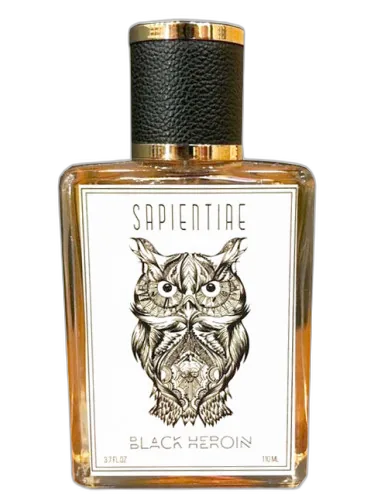
Sapientiae Niche
Black Heroin Sapientiae Niche
Shared top notes: almond
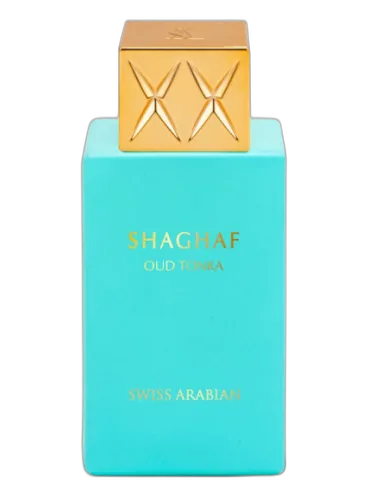
Swiss Arabian
Shaghaf Oud Tonka Swiss Arabian
Shared top notes: almond
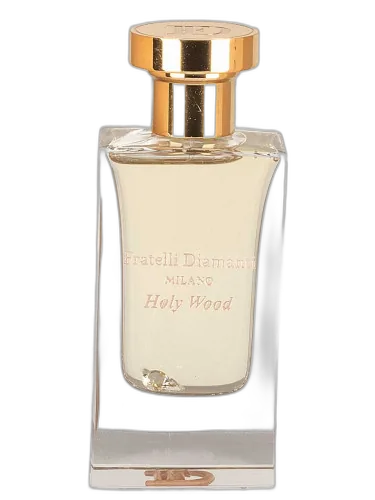
Fratelli Diamanti
Holy Wood Fratelli Diamanti
Shared top notes: almond

BORNTOSTANDOUT®
Mud Borntostandout®
Shared top notes: almond

Olibere Parfums
Chemical Love Olibere Parfums
Shared heart notes: ylang-ylang