
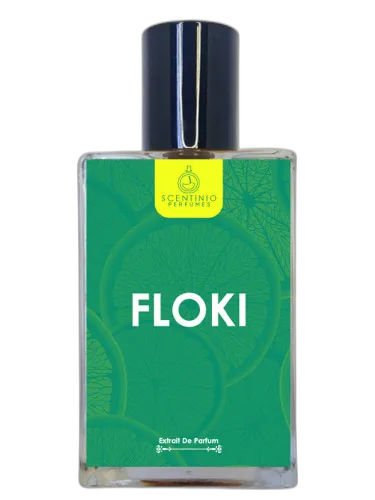

Floki Scentinio Perfumes
At a glance
Is Floki Scentinio Perfumes worth trying?
Floki by Scentinio Perfumes is a Citrus Aromatic fragrance for women and men.
- Best match
- Casual wear in Summer
- Performance feel
- Good longevity with Moderate sillage
- Signature profile
- citrus, woody, aromatic with Bergamot, Grapefruit, Petitgrain
The first impression
Floki by Scentinio Perfumes is a Citrus Aromatic fragrance for women and men. Floki was launched in 2022. The nose behind this fragrance is Asad Ali Siddiki. Top notes are Bergamot, Grapefruit, Petitgrain and Orange; middle notes are Ylang-Ylang, White Flowers and Timbersilk™; base notes are Patchouli, Vetiver, Musk, Sandalwood, Vanilla, Oakmoss and Amber.
What shapes the scent
The perfumer behind it

Asad Ali Siddiki
Asad Ali Siddiki is a perfumer known for his evocative and narrative-driven compositions. His style blends atmospheric depth with accessible elegance, often exploring themes of travel, memory, and emotion. Notable creations from our catalog include Lost Traveller, Seaside Musk, and The Ghost, each capturing a distinct mood through carefully balanced accords.
Notes pyramid
Top Notes
First impression · 15-30 min
 Bergamot
 Grapefruit
 Petitgrain
 Orange
Heart Notes
Core character · 2-4 hours
 Ylang-Ylang
 White Flowers
 Timbersilk™
Base Notes
Lasting impression · 4+ hours
 Patchouli
 Vetiver
 Musk
Musk
 Sandalwood
 Vanilla
 Oakmoss
 Amber
Amber
The mood it creates
The Wanderer Archetype: Portrait of Floki Scentinio Perfumes
Essence
To wear Floki Scentinio Perfumes is to embrace the scent of uncharted paths-an olfactory blend of wild herbs, distant spices, and the faintest whisper of salt-laden winds. The person who chooses this fragrance is not one to be confined by the ordinary. They are, at their core, a Wanderer, an archetype defined by their insatiable curiosity, their need for freedom, and their refusal to be tamed by societal expectations.
This individual thrives on discovery, whether of places, ideas, or the hidden layers within themselves. They are drawn to the unfamiliar, the mysterious, the untamed. Their philosophy is one of perpetual motion-physical, intellectual, or emotional. To stagnate is to wither, and so they move, always seeking, always questioning.
Their tastes are eclectic, mirroring their refusal to be pinned down. They may favor minimalist yet bold aesthetics-a well-worn leather jacket, a scarf from a distant market, a single piece of jewelry with a story behind it. Their home, if they have one, is not a fortress but a waystation: filled with maps, books in multiple languages, and artifacts collected from fleeting encounters.
Shadow
Yet, the Wanderer’s refusal to settle can become their undoing. Their independence, so liberating at first, may harden into isolation. They flee before anything-or anyone-can claim them, mistaking depth for confinement. Their relationships may suffer, not because they lack love, but because they fear the weight of permanence.
At their worst, they become ghosts-present but never truly there. Their curiosity, once a flame, can turn into a consuming fire, leaving them unable to appreciate what they have because they are always chasing what lies beyond.
Conclusion
The Wanderer’s greatest strength is their unshackled spirit. They do not live for approval, nor do they fear solitude. Their relationships are deep but often transient-not from lack of care, but because they understand that some bonds are meant to be temporary, like ships passing in the night. They value honesty above comfort, and their presence is magnetic precisely because they demand nothing from others.
They are often the first to challenge dogma, to ask why when others accept. Their mind is sharp, their humor dry, their insights piercing. They see the world not as it is, but as it could be-a place of infinite possibility.
If you like this, try these
Fragrances with a comparable profile - shared accords, notes, and character.
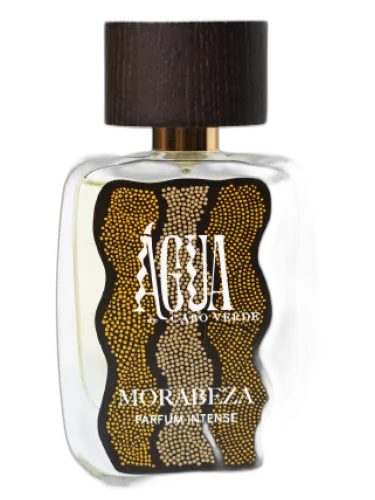
Água de Cabo Verde
Morabeza Água De Cabo Verde
Shared top notes: bergamot, grapefruit
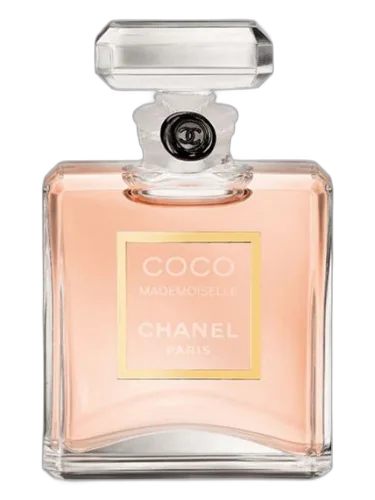
Chanel
Coco Mademoiselle Parfum Chanel
Shared top notes: bergamot, grapefruit, orange

Aquolina
Tweety Aquolina
Shared top notes: bergamot, grapefruit, orange

Tayshaba
Flambois Tayshaba
Shared top notes: bergamot, grapefruit, orange

Louis Alavia
Queen Louis Alavia
Shared top notes: bergamot