


Druidale Scents Of Man
At a glance
Is Druidale Scents Of Man worth trying?
Druidale by Scents of Man is a Aromatic Fruity fragrance for women and men.
- Best match
- Evening wear in Fall
- Performance feel
- Very Good longevity with Moderate sillage
- Signature profile
- yellow floral, sweet, aromatic with Bergamot, heather, Mandarin
The first impression
Druidale by Scents of Man is a Aromatic Fruity fragrance for women and men. This is a new fragrance. Druidale was launched in 2024. The nose behind this fragrance is Andrea Byrne. Top notes are Bergamot, heather, Mandarin and Rose Geranium; middle notes are Gorse, Pea, Vanilla, Juniper Berries and Jasmine; base notes are Tobacco, Leather, Frankincense and Agarwood (Oud).
What shapes the scent
The perfumer behind it

Andrea Byrne
Andrea Byrne is a perfumer behind many fragrances for the brand Scents of Man. Her creations include Ancient Forest, Aroma Borealis, Ballure Allure, Blue Moon, Bluebell Wood, Dhoon Glen, Druidale, and Elderberry. These scents often draw inspiration from natural landscapes and the Isle of Man.
Notes pyramid
Top Notes
First impression · 15-30 min
 Bergamot
 heather
 Mandarin
Rose Geranium
Mandarin
Rose Geranium
Heart Notes
Core character · 2-4 hours
 Gorse
Gorse
 Pea
Pea
 Vanilla
Juniper Berries
Vanilla
Juniper Berries
 Jasmine
Base Notes
Lasting impression · 4+ hours
 Tobacco
 Leather
Frankincense
Leather
Frankincense
 Agarwood (Oud)
The mood it creates
The Sage Archetype: Portrait of Druidale Scents Of Man
Essence
To wear Druidale Scents of Man is to embrace an aura of quiet wisdom, earthy depth, and an almost mystical connection to the unseen. This fragrance-rooted in woody resins, damp moss, and the faintest whisper of smoke-speaks of a man who is neither loud nor ostentatious, but who carries himself with the weight of contemplation. He is, above all, a Sage, an archetype defined by knowledge, introspection, and a relentless pursuit of truth.
Style & Aesthetic
His appearance reflects his inner world: understated, textured, timeless. He favors natural fabrics-linen, wool, worn leather-that age gracefully, acquiring character rather than fading into obsolescence. His wardrobe is a muted palette of forest greens, deep browns, and slate grays, as if he is an extension of the landscapes he loves.
He does not follow trends, nor does he reject them out of contrarianism. Instead, he selects what resonates, what feels true. A well-made pocket knife, a leather-bound journal, a battered but beloved copy of Thus Spoke Zarathustra-these are his companions, not because they signal status, but because they serve a purpose beyond the superficial.
He lives deliberately, rejecting the frenetic pace of modern life in favor of something slower, more intentional. He may dwell in a small house near the woods, or in a city apartment filled with plants and the scent of old books. His routines are sacred: morning tea brewed slowly, evening walks without destination, the careful selection of incense or fragrance to mark the passage of time.
He values authenticity above all else. Pretense disgusts him, and he has little patience for small talk or social games. This can make him seem severe, but those who know him recognize it as integrity rather than arrogance.
Relationships
He is not a man of many friends, but those he keeps are bound to him by mutual respect and depth of understanding. He listens more than he speaks, and when he does speak, his words carry weight. Romantic partners are drawn to his quiet intensity, his ability to see them fully-yet they may also grow frustrated by his emotional reserve.
His love is not demonstrative in the traditional sense. He shows affection through acts of service, through shared silence, through the gift of a well-chosen book. But he struggles with vulnerability, fearing that to expose too much of himself is to risk losing the control he values. This is his shadow: the Sage’s tendency to retreat into intellect, to analyze emotions rather than feel them.
Shadow
His greatest flaw is detachment. When faced with conflict or emotional turbulence, he may withdraw into his mind, rationalizing rather than engaging. He can become overly skeptical, dismissing what he cannot explain, even when intuition begs him to listen. At his worst, he risks becoming the Hermit, isolated in his tower of thought, mistaking solitude for wisdom.
Yet, when balanced, he is neither cold nor aloof-merely deliberate. He understands that wisdom without compassion is hollow, and so he strives to bridge the gap between knowing and being.
Conclusion
The man who wears Druidale Scents of Man is neither saint nor recluse. He is a seeker, a thinker, a quiet force in a noisy world. His strength lies in his depth, his ability to see beyond the immediate. His weakness is his occasional reluctance to step out of his own mind and into the messiness of life.
But when he does-when he allows himself to be both wise and wild, both knowing and unknowing-he becomes something rare: a man who does not merely exist, but understands.
If you like this, try these
Fragrances with a comparable profile - shared accords, notes, and character.

L'Objet
Bois Sauvage L'objet
Shared top notes: bergamot

Oriflame
Infinita My Sunshine Oriflame
Shared top notes: bergamot, mandarin
Christine Lavoisier Parfums
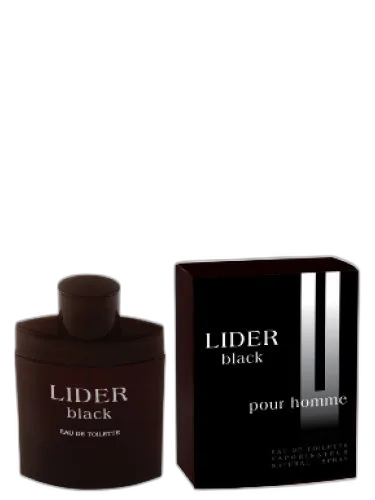
Lider Black Christine Lavoisier Parfums
Shared top notes: bergamot
Carthusia
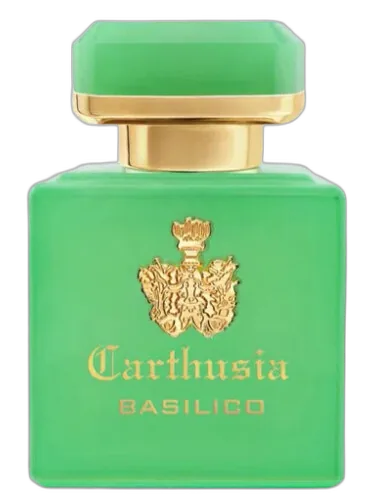
Intenso Di Basilico Carthusia
Shared top notes: bergamot, mandarin
Filigree & Shadow
Wax & Wane Filigree & Shadow
Shared top notes: bergamot