
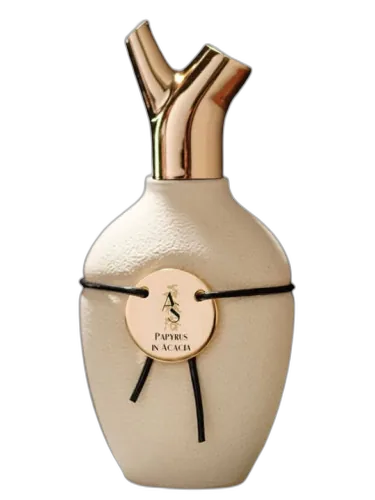
Papyrus In Acacia Scents Of Wood
At a glance
Is Papyrus In Acacia Scents Of Wood worth trying?
Papyrus in Acacia by Scents of Wood is a Woody Aromatic fragrance for men.
- Best match
- Evening wear in Fall
- Performance feel
- Very Good longevity with Moderate sillage
- Signature profile
- woody, tuberose, coconut with Tuberose, Coconut, Woodsy Notes
The first impression
Papyrus in Acacia by Scents of Wood is a Woody Aromatic fragrance for men. Papyrus in Acacia was launched in 2021. The nose behind this fragrance is Jean-Marc Chaillan.
What shapes the scent
The perfumer behind it

Jean-Marc Chaillan
Jean-Marc Chaillan is a perfumer recognized for his work on both mass-market and prestige fragrances. He created Fatale for Agent Provocateur and several Avon scents including Far Away Glamour and Spotlight. His portfolio also includes Baldessarini for Hugo Boss and Slate for Banana Republic. Chaillan's style spans from bold, sensual florals to refined woody aromatics.
Notes pyramid
All Notes
Complete scent profile
 Tuberose
 Coconut
 Woodsy Notes
 Solar Notes
 Balsamic Notes
 Smoke
Smoke
 Papyrus
 Cypriol Oil or Nagarmotha
 Vetiver
 Green Notes
 Leather
 Animal notes
The mood it creates
The Archetype Archetype: Portrait of Papyrus In Acacia Scents Of Wood
Essence
To wear Papyrus In Acacia Scents of Wood is to carry the scent of ancient forests and sun-warmed parchment-an olfactory marriage of organic depth and quiet intellect. This fragrance is not for those who seek the obvious; it is for the one who finds beauty in the interplay of shadow and texture, in the whisper of roots beneath the soil.
Above all, this person is a seeker-not of answers, but of deeper questions. The Sage archetype governs their spirit, for they are drawn to wisdom that is not loud but layered, not declarative but contemplative. They are the one who reads philosophy not to quote it, but to let it reshape their mind. Their presence is not commanding, but magnetic in its quietude.
Yet the Sage is not without shadows. Knowledge can become a fortress, a way to distance oneself from the messiness of raw emotion. They may mistake understanding for experience, wisdom for living.
Relationships
They do not collect people. Their relationships are few, but each is a slow-burning fire. They attract those who crave substance, who are tired of surfaces. Their love is not possessive, but it is intense-an exchange of minds as much as bodies.
Yet intimacy can be their challenge. The Sage risks becoming a spectator in their own life, observing emotions rather than surrendering to them. They may withdraw when feelings grow too loud, retreating into the safety of thought. Their partner may sometimes feel like a student rather than an equal.
Shadow
Their greatest strength is also their flaw: their self-sufficiency. They do not fear solitude-they thrive in it. But this can harden into detachment, an unwillingness to be vulnerable. They may rationalize loneliness as independence, mistaking isolation for wisdom.
At their worst, they become the recluse, the one who hoards knowledge like a dragon with gold, forgetting that wisdom must be shared to breathe.
Conclusion
Their tastes are deliberate, never accidental. They prefer textures that speak of time-rough linen, unpolished wood, paper that yellowed before they touched it. Their home is a sanctuary of curated silence, where every object has been chosen for its resonance, not its trend. They drink tea not for caffeine, but for ritual, savoring the way steam curls like thought given form.
In philosophy, they are drawn to the Stoics and the Taoists-those who found strength in stillness. They believe in the intelligence of nature, in the wisdom of cycles. Yet they are not passive; they act, but only after observation. Their movements are measured, their words precise.
If you like this, try these
Fragrances with a comparable profile - shared accords, notes, and character.
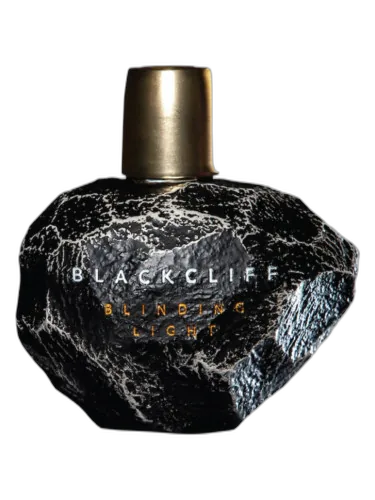
Blackcliff Parfums
Blinding Light Blackcliff Parfums
Shared top notes: coconut, leather, tuberose
Persephenie Studio
Tuberose Vetiver Attar Persephenie Studio
Shared top notes: tuberose, vetiver
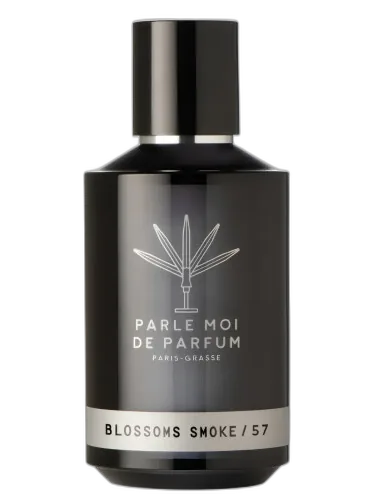
Parle Moi de Parfum
Blossoms Smoke 57 Parle Moi De Parfum
Shared top notes: smoke, vetiver
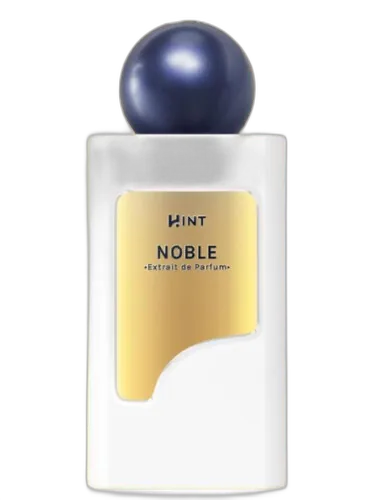
Hint
Noble Extrait De Parfum Hint
Shared top notes: green notes, tuberose

OSM
84 - Youth, But Not Innocence Osm
Shared top notes: leather, smoke, vetiver