

Santal Umeshu Scents Of Wood
Fragrance Story
Santal Umeshu by Scents of Wood is a Woody fragrance for women and men. This is a new fragrance. Santal Umeshu was launched in 2022. The nose behind this fragrance is Celine Barel.
Composition Profile
About the Perfumer

Celine Barel
Celine Barel is a French perfumer known for her work with brands like 4711, Abercrombie & Fitch, and Aesop. Her creations include the vibrant 4711 Remix Electric Night and the fresh Tacit for Aesop. She has also crafted scents for Andrea Maack, Avon, and Blumarine, showcasing a versatile style that spans from crisp colognes to bold florals.
Fragrance Notes
All Notes
Complete scent profile
 Sandalowood
 Umeshu
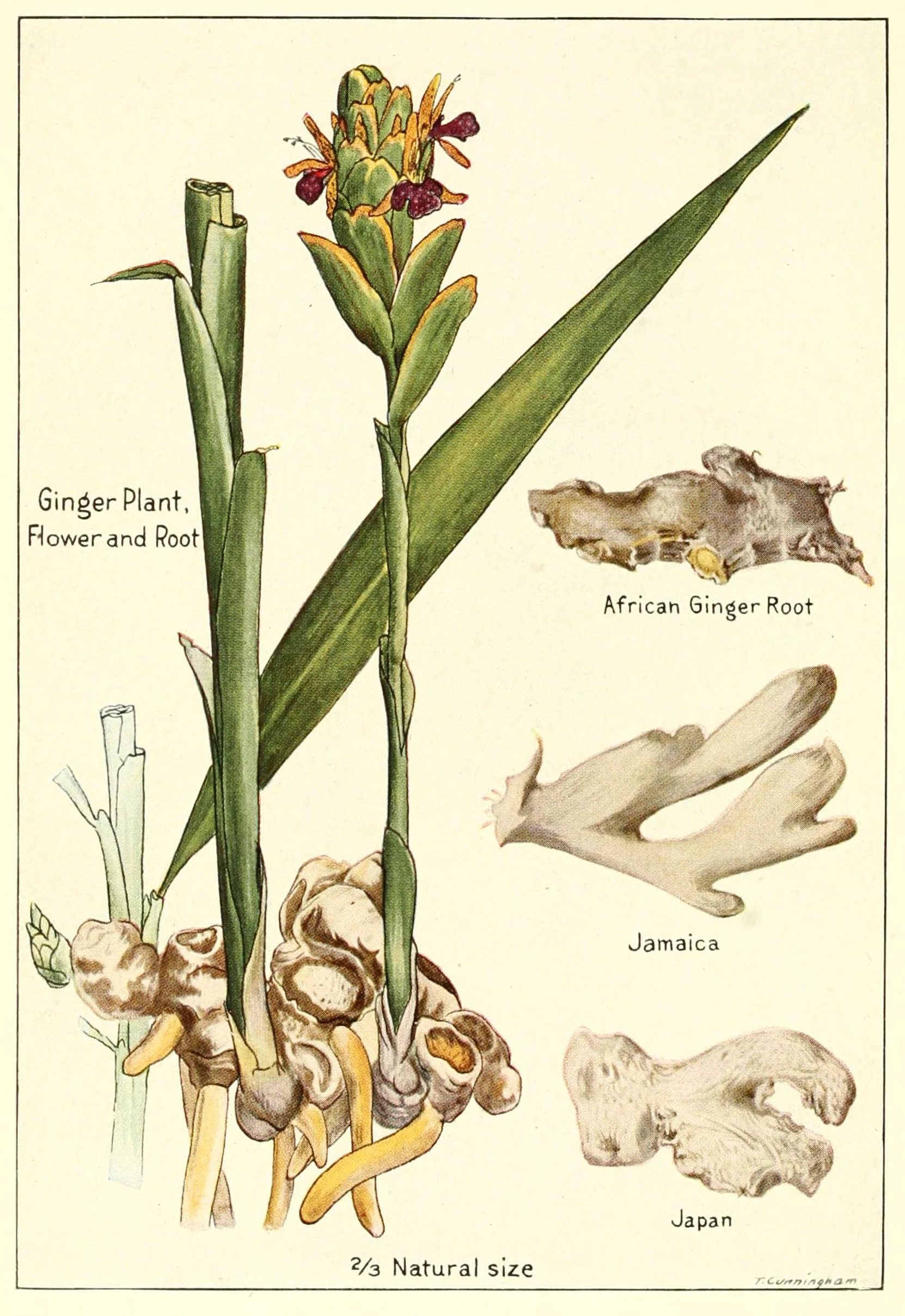 African Ginger
.jpg) Ambrette (Musk Mallow)
Ambrette (Musk Mallow)
 Davana
 Violet Leaf
 Vanilla
 Caraway
 Mandarin Orange
 CO2 Extracts
Character Profile
The Sage Archetype: Portrait of Santal Umeshu Scents Of Wood
Essence
The one who favors Santal Umeshu Scents of Wood is a seeker of wisdom, a contemplative spirit drawn to the interplay of depth and subtlety. The fragrance itself-woody, slightly boozy, with the quiet warmth of plum-suggests a mind that thrives in the liminal space between intellect and sensuality. This person is most closely aligned with the Sage, the Jungian archetype of knowledge, reflection, and discernment.
The Sage does not rush; they observe, analyze, and distill meaning from experience. They are drawn to complexity but seek clarity, much like the way Santal Umeshu balances smoky sandalwood with the unexpected sweetness of Japanese plum liqueur. Their life is a study in contrasts-rigorous thought softened by aesthetic pleasure, solitude balanced with carefully chosen intimacy.
Relationships
The Sage does not collect people; they cultivate relationships with intention. Their circle is small but profound-friendships built on shared intellectual curiosity, quiet understanding, and mutual respect for independence. They are not the life of the party, but in one-on-one conversations, they reveal a dry wit and a surprising warmth.
Romantically, they are drawn to those who can match their depth without demanding constant engagement. Their love is not possessive; it is a meeting of minds as much as bodies. They appreciate sensuality, but it must be laced with meaning-a touch that carries the weight of understanding, not just desire.
Shadow
Yet the Sage is not without flaws. Their love of solitude can harden into isolation, their discernment into judgment. They may dismiss those who do not meet their intellectual standards, forgetting that wisdom is not only found in books but in lived experience. Their pursuit of depth can become a refusal to engage with the mundane, leaving them adrift in abstraction while life passes by.
At their worst, they may grow cynical, mistaking detachment for enlightenment. They might hoard knowledge like a dragon with gold, forgetting that wisdom is meant to be shared, not merely admired in solitude.
Conclusion
Their tastes are deliberate, never accidental. They prefer the understated elegance of natural materials-linen, aged leather, unpolished wood-over flashy ornamentation. Their home is a sanctuary: shelves lined with well-worn books, a single carefully chosen piece of art on the wall, a Japanese whiskey set beside a stack of philosophy texts. They drink tea slowly, savoring the ritual, and their music choices lean toward jazz or ambient soundscapes-nothing too intrusive, nothing without layers.
Philosophically, they are drawn to thinkers like Nietzsche himself, Kierkegaard, or Zen masters-those who question the surface of things and demand depth. They do not accept easy answers, and their values reflect this: truth is more important than comfort, authenticity more valuable than popularity. They are not afraid of solitude; in fact, they require it, for it is in silence that they hear themselves most clearly.
Similar Fragrances
Fragrances with a comparable profile - shared accords, notes, and character.
Scents of Wood
Santal Umeshu Scents Of Wood
Shared accords: aromatic, balsamic, floral
Solstice Scents
Mountain Vanilla Solstice Scents
Shared accords: aromatic, balsamic, floral
Natura
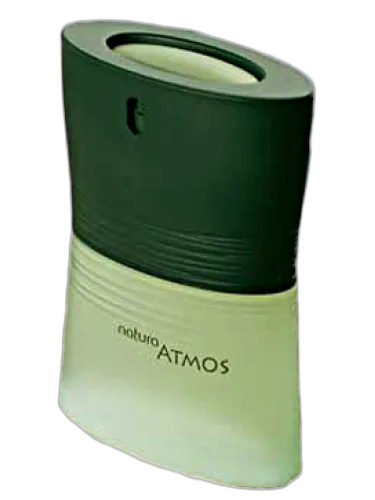
Atmos Natura
Shared accords: aromatic, green, musky
The Fragrance Design Studio
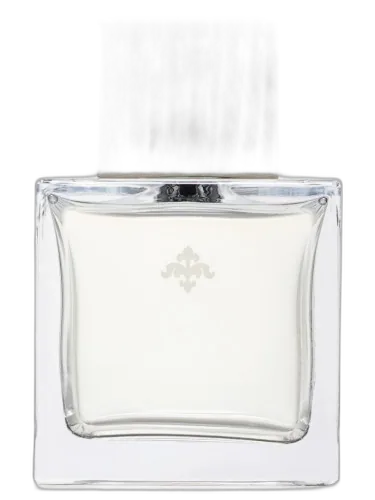
No. 17 The Fragrance Design Studio
Shared accords: balsamic, floral, musky
Iceberg
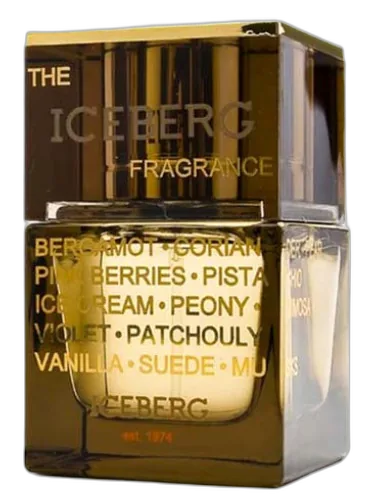
The Iceberg Fragrance Iceberg
Shared accords: aromatic, floral, musky