
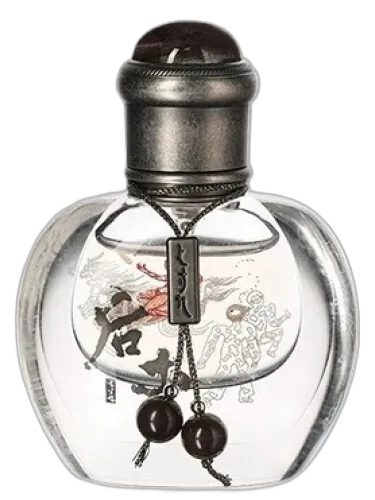

Hòu Tǔ 后土 Sept Neuf 七寸九
Fragrance Story
Hòu Tǔ 后土 by Sept Neuf 七寸九 is a Woody fragrance for women and men. Hòu Tǔ 后土 was launched in 2022. The nose behind this fragrance is Alexandra Monet. Top notes are Bergamot and Citruses; middle notes are Ginger and Turmeric; base notes are Vanilla, Dreamwood and Guaiac Wood.
Composition Profile
About the Perfumer

Alexandra Monet
Alexandra Monet is a French perfumer known for her work with major houses including 4711, Anthropologie, and Astier de Villatte. Her style often blends fresh, fruity, and floral notes with unexpected accents, as seen in the bright, green 4711 Acqua Colonia Bamboo & Watermelon and the spicy-sweet White Peach & Coriander. She also created the refined floral of 4711 Noble Rose and the warm, modern Vibrant Musk, demonstrating a versatility that spans both classic colognes and contemporary compositions.
Fragrance Notes
Top Notes
First impression · 15-30 min
 Bergamot
 Citruses
Heart Notes
Core character · 2-4 hours
 Ginger
 Turmeric
Base Notes
Lasting impression · 4+ hours
 Vanilla
 Dreamwood
 Guaiac Wood
Hòu Tǔ 后土 Sept Neuf 七寸九 by Sept Neuf 七寸九 offers a distinctive olfactory experience that stands out from other fragrances in its category.
Crafted with the finest ingredients and a blend of traditional and modern perfumery techniques, this fragrance represents the pinnacle of the perfumer's art.
Hòu Tǔ 后土 Sept Neuf 七寸九 embodies the distinctive style of Sept Neuf 七寸九 while adding a unique chapter to their fragrance portfolio.
Character Profile
The Mystic Archetype: Portrait of Hòu Tǔ 后土 Sept Neuf 七寸九
Essence
To wear Hòu Tǔ 后土 by Sept Neuf 七寸九 is to commune with the unseen, to embrace the scent of damp soil, roots, and the quiet hum of the earth’s secrets. This fragrance is not for those who seek the obvious or the fleeting; it is for the one who walks between worlds, who understands that beneath the surface of things lies a deeper, more resonant truth.
The Sage is the seeker of wisdom, the one who listens to the whispers of the earth and the echoes of the past. They are not merely intellectual but deeply intuitive, drawn to the mysteries that others overlook. The lover of Hòu Tǔ embodies this archetype-not as a detached scholar, but as a living bridge between knowledge and instinct. Their wisdom is not found in books alone but in the texture of the world itself.
Style & Aesthetic
Their aesthetic is one of quiet richness-nothing garish, nothing loud. They prefer textures that tell a story: worn leather, rough linen, the grain of aged wood. Their clothing is understated but deliberate, often in muted tones that suggest depth rather than brightness. They might wear a single, meaningful piece of jewelry-a talisman, perhaps, or an heirloom.
In art and music, they are drawn to the evocative rather than the explicit. Ambient sounds, minimalist compositions, and works that leave space for interpretation appeal to them. They do not seek entertainment so much as experience-something that lingers in the mind long after it has passed.
They thrive in environments that allow for contemplation-a quiet study, a garden, a secluded corner of a library. Routine is important to them, not out of rigidity but as a way to create space for thought. They might keep a journal, not for recording daily events but for tracing the patterns of their inner world.
They are likely drawn to practices that ground them-gardening, meditation, long walks in nature. The scent of Hòu Tǔ is a reminder of this connection, a way to carry the essence of the earth with them even in the heart of the city.
Philosophy & Values
This person does not believe in easy answers. Their philosophy is one of depth and patience, a slow unraveling of meaning rather than a hasty conclusion. They value authenticity above all else, despising superficiality and empty gestures. To them, truth is not a fixed point but a living thing, shifting like the scent of wet earth after rain.
They are drawn to traditions-not out of blind reverence, but because they sense the weight of history in them. Ancient rituals, forgotten myths, and the quiet wisdom of folklore resonate with them. Yet they are not bound by the past; they reinterpret it, making it relevant to the present.
Relationships
They are not a social butterfly, nor do they wish to be. Their connections are few but profound. They do not suffer fools gladly, and their patience for small talk is limited. Yet those who earn their trust find a loyal and insightful companion, one who listens deeply and speaks with precision.
Romantically, they are drawn to those who share their love of the unseen-the poets, the dreamers, the ones who understand silence as well as words. Their love is not possessive but expansive, a meeting of minds as much as bodies.
Shadow
Yet every strength has its shadow. The Sage’s depth can become detachment, their wisdom a barrier to intimacy. They may retreat too far into their own mind, mistaking solitude for superiority. Their disdain for the superficial can harden into cynicism, closing them off from the simple joys of life.
At their worst, they may become the aloof observer rather than the engaged participant, watching the world from a distance rather than living in it. The challenge for them is to remember that wisdom is not just for contemplation-it must also be shared, lived, and sometimes even surrendered.
Conclusion
Hòu Tǔ is not merely a scent but a reflection of the wearer’s soul-earthy, enigmatic, and deeply rooted. The one who chooses it is both grounded and mystical, a thinker who knows that the deepest truths are often hidden just beneath the surface. They walk the line between sage and recluse, between wisdom and isolation. But when balanced, they are a rare kind of light-one that does not blind but illuminates softly, revealing what was always there, waiting to be seen.
Similar Fragrances
Fragrances with a comparable profile - shared accords, notes, and character.

YanFroloff
Vetiver 01 Yanfroloff
Shared accords: citrus, fresh spicy, powdery

Meshaz Natural Perfumes
Yuzzu Meshaz Natural Perfumes
Shared accords: citrus, fresh, fresh spicy

UNTITLED
Untitled No.7 By Hilde Soliani Untitled
Shared accords: citrus, fresh, powdery
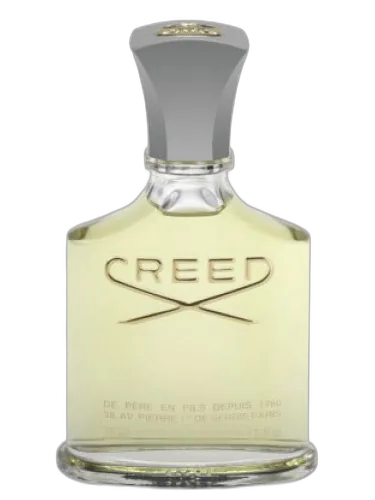
Creed
Royal Scottish Lavender Creed
Shared accords: citrus, fresh, fresh spicy

Alexandria Fragrances
Luxor Summer Alexandria Fragrances
Shared accords: citrus, fresh, fresh spicy