
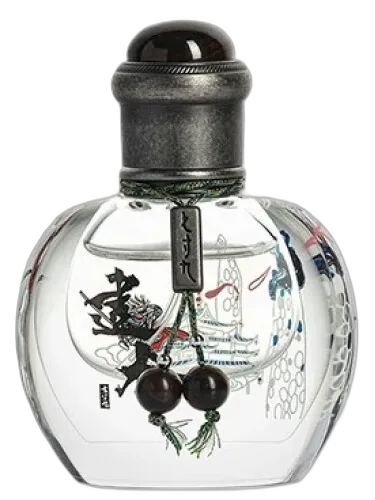

Jiàn Mù 建木 Sept Neuf 七寸九
Fragrance Story
Jiàn Mù 建木 by Sept Neuf 七寸九 is a fragrance for women and men. Jiàn Mù 建木 was launched in 2022. The nose behind this fragrance is Coralie Spicher. Top notes are Angelica and elemi; middle notes are Lavender and Ginger; base notes are White Sandalwood, Cypriol and Dreamwood.
Composition Profile
About the Perfumer

Coralie Spicher
Coralie Spicher is a perfumer whose work spans international brands including ALTAIA, Adopt Parfums, Ajmal, Angel Schlesser, Antonio Banderas, Awshal, Betty Barclay, and Boitown. Her creations include Amank'ay, Tahiti Paradis, Chapter 5, Aromatic Sage, The Icon Elixir, and Cedar & Grapefruit. She is known for her versatility across different fragrance genres. Her style often combines fresh, aromatic, and woody elements.
Fragrance Notes
Top Notes
First impression · 15-30 min
 Angelica
 elemi
elemi
Heart Notes
Core character · 2-4 hours
 Lavender
 Ginger
Base Notes
Lasting impression · 4+ hours
White Sandalwood
Cypriol
 Dreamwood
Jiàn Mù 建木 Sept Neuf 七寸九 by Sept Neuf 七寸九 offers a distinctive olfactory experience that stands out from other fragrances in its category.
Crafted with the finest ingredients and a blend of traditional and modern perfumery techniques, this fragrance represents the pinnacle of the perfumer's art.
Jiàn Mù 建木 Sept Neuf 七寸九 embodies the distinctive style of Sept Neuf 七寸九 while adding a unique chapter to their fragrance portfolio.
Character Profile
The Mystic Archetype: Portrait of Jiàn Mù 建木 Sept Neuf 七寸九
Essence
The Mystic archetype seeks the hidden threads that connect all things. Jiàn Mù, named after the cosmic tree of Chinese mythology, embodies this quest through a woody aromatic composition that feels ancient and otherworldly. Angelica and elemi open with a green, resinous clarity, like light filtering through a sacred grove.
The heart of lavender and ginger adds a spiritual warmth, grounding the ethereal in the physical. White sandalwood and cypriol form a base that is both earthy and transcendent, while dreamwood evokes the scent of incense in a quiet temple. This fragrance is a meditation on the unseen, a bridge between the mundane and the divine.
Style & Aesthetic
The Mystic’s style is eclectic and intentional, blending natural textures with symbolic accessories. They favor linen, wool, and raw silk in earthy tones-ochre, sage, deep indigo. Jewelry is minimal but meaningful: a carved stone pendant, a ring with an ancient motif.
Their aesthetic is drawn from the world’s wisdom traditions: a home filled with plants, crystals, and books on philosophy. They prefer spaces that feel sacred, with soft lighting and natural materials. The Mystic’s wardrobe is a reflection of their inner journey, each piece chosen for its energy and story.
Philosophy & Values
The Mystic values wisdom, connection, and the pursuit of truth beyond surface appearances. They believe in the interdependence of all life and seek to understand the patterns that govern existence. Their philosophy is holistic, integrating mind, body, and spirit.
They are drawn to practices like meditation, yoga, or herbalism, viewing them as tools for awakening. The Mystic respects tradition but is open to reinterpretation, finding sacredness in both ancient texts and personal experience. Their core value is authenticity, living in alignment with their inner truth.
Relationships
The Mystic forms deep but selective bonds. They are empathetic listeners, often serving as confidants for those seeking guidance. However, they guard their own inner world, sharing only with those who demonstrate depth and sincerity.
Romantically, they seek a soulmate or kindred spirit, someone who understands their need for solitude and spiritual exploration. They are patient and non-judgmental, but can become distant if a relationship lacks depth. The Mystic’s love is quiet and steady, like the roots of an ancient tree.
Lifestyle
The Mystic’s life is rhythmic and contemplative. They rise early for meditation or a walk in nature, grounding themselves before the day begins. Their home is a sanctuary, with altars, candles, and spaces for reflection.
They prefer slow living: cooking with intention, reading by candlelight, and cultivating rituals that honor the seasons. The Mystic may practice art, writing, or music as forms of expression. Their lifestyle is a continuous practice of presence, finding the sacred in the ordinary.
Shadow
The Mystic’s shadow is escapism and detachment. Their quest for transcendence can lead to avoidance of worldly responsibilities or emotional intimacy. They may become lost in abstract ideas, neglecting the practical needs of daily life.
There is also a risk of spiritual arrogance, believing their path is superior. The shadow of Jiàn Mù is the temptation to drift away from connection, mistaking solitude for enlightenment. The Mystic must remember that true wisdom is grounded in compassion and action.
Conclusion
Jiàn Mù 建木 is a fragrance for the Mystic, a woody aromatic that bridges earth and sky. It evokes the cosmic tree of myth, a symbol of connection between realms. This scent is an invitation to explore the depths within and the mysteries beyond, a reminder that the sacred is always present for those who seek.
Similar Fragrances
Fragrances with a comparable profile - shared accords, notes, and character.

Anna Zworykina Perfumes
Green Madness Anna Zworykina Perfumes
Shared accords: amber, aromatic, balsamic
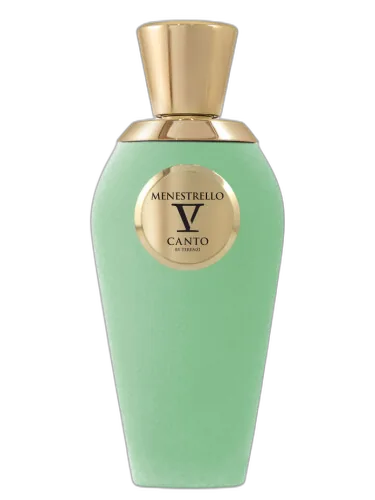
V Canto
Menestrello V Canto
Shared accords: amber, aromatic, balsamic

Vyrao
Magnetic 70 Vyrao
Shared accords: amber, aromatic, balsamic

Bentley
Momentum Intense Bentley
Shared accords: amber, aromatic, balsamic

BYTWO
Ketu Bytwo
Shared accords: amber, aromatic, balsamic