


Clean Slate Seven Gates
At a glance
Is Clean Slate Seven Gates worth trying?
Clean Slate by Seven Gates is a Woody Spicy fragrance for women and men.
- Best match
- Evening wear in Fall
- Performance feel
- Very Good longevity with Strong sillage
- Signature profile
- woody, leather, smoky with Absinthe, Incense, Nutmeg
The first impression
Clean Slate by Seven Gates is a Woody Spicy fragrance for women and men. This is a new fragrance. Clean Slate was launched in 2024. The nose behind this fragrance is Emilie Bouge. Top notes are Absinthe, Incense, Nutmeg, Cinnamon, Ink and Blue Lavender; middle notes are Vetiver, Whiskey, Birch and Guaiac Wood; base notes are Papyrus, Leather, Castoreum and Patchouli.
What shapes the scent
The perfumer behind it

Emilie Bouge
Emilie Bouge is a perfumer closely associated with the French niche house Brecourt, where she has composed numerous fragrances such as Agaressence, Ambre Noir, and Avenue Montaigne. Her work for Brecourt showcases a range from woody ambers to fresh, transparent eaux. She is known for creating complex, refined scents that balance tradition with modernity.
Notes pyramid
Top Notes
First impression · 15-30 min
 Absinthe
 Incense
 Nutmeg
 Cinnamon
 Ink
Ink
 Blue Lavender
Heart Notes
Core character · 2-4 hours
 Vetiver
 Whiskey
 Birch
Birch
 Guaiac Wood
Base Notes
Lasting impression · 4+ hours
 Papyrus
 Leather
 Castoreum
 Patchouli
The mood it creates
The Alchemist Archetype: Portrait of Clean Slate Seven Gates
Essence
To wear Clean Slate Seven Gates is to embrace the scent of reinvention-a fragrance that speaks of crisp beginnings, yet lingers with the quiet wisdom of past cycles. The person who chooses this scent is not merely drawn to freshness; they are an alchemist of the self, one who believes in the power of transformation. Their life is an ongoing experiment, a series of deliberate refinements, each iteration closer to an ideal they may never fully articulate but ceaselessly pursue.
The Alchemist is a seeker of hidden truths, a figure who transmutes base experiences into golden wisdom. They are not content with surface appearances; they crave the deeper resonance of things. This archetype fits them because they do not merely live-they distill. Every moment is an opportunity for refinement, every setback a lesson to be purified. They are drawn to the idea that life is not fixed but fluid, that identity is not inherited but forged.
Yet, the Alchemist is not without their shadow. The relentless pursuit of transformation can become a form of restlessness, an inability to settle into any one state. They may discard relationships, careers, or even versions of themselves too quickly, mistaking impermanence for progress. Their greatest strength-the ability to change-can also be their undoing if they forget that some things must endure to have meaning.
Shadow
Their flaw is their impatience with the mundane. They grow restless in routine, mistaking stability for stagnation. They may discard people or projects prematurely, always chasing the next refinement before the current one has fully matured. Their relentless self-improvement can become a form of self-avoidance, a way to outrun the parts of themselves they have not yet learned to accept.
Yet, when balanced, they are a force of renewal-not just for themselves but for those around them. They remind others that identity is not fixed, that reinvention is possible. Their presence is a quiet challenge: What will you become?
In the end, they are neither entirely of this world nor entirely beyond it. They are the scent of morning after rain-both an ending and a beginning, always in flux, always becoming.
Conclusion
Their tastes are minimalist but intentional. They prefer clean lines, uncluttered spaces, and objects that serve a purpose beyond ornamentation. Their wardrobe is a study in restrained elegance-neutral tones, natural fabrics, nothing excessive. They are drawn to art that suggests rather than declares, to music that breathes between the notes.
Philosophically, they are drawn to the idea of amor fati-the love of fate. They do not resent their past but see it as necessary material for their ongoing work. They believe in self-authorship, in the power of conscious choice over blind habit. Yet, they are not naive optimists; they understand that some transformations are painful, that rebirth requires dissolution.
In relationships, they are both magnetic and elusive. They attract others with their quiet intensity, their air of self-possession. But they struggle with permanence, fearing that too much attachment will stagnate their evolution. Their love is deep but not always enduring-they may leave before they are left, not out of cruelty but out of an instinctive need to keep moving.
If you like this, try these
Fragrances with a comparable profile - shared accords, notes, and character.
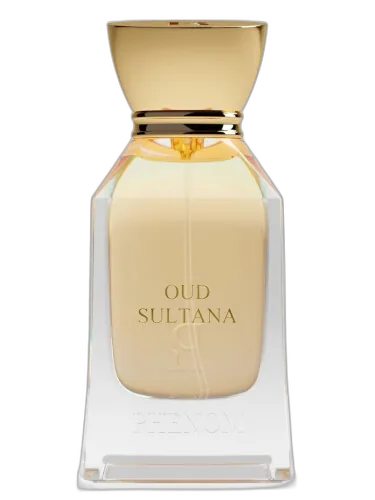
Phenom
Oud Sultana Phenom
Shared heart notes: guaiac wood, vetiver

Ojar
Routes Nomades Eau De Parfum Ojar
Shared heart notes: vetiver
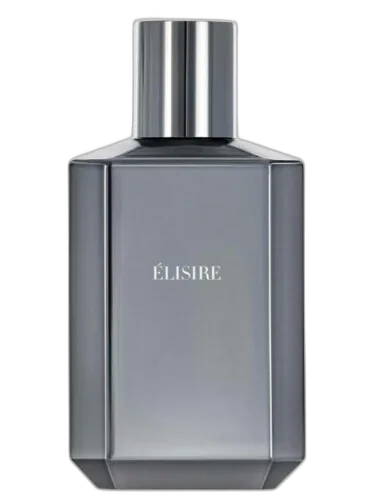
Elisire
Hautbois Elisire
Shared top notes: cinnamon
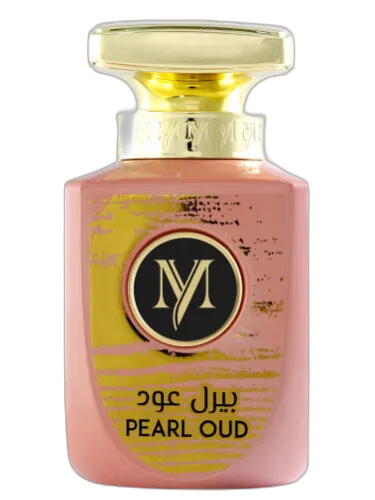
My Perfumes Select
Pearl Oud My Perfumes Select
Shared top notes: cinnamon, nutmeg

Amyi
Amyi 2.12 Amyi
Shared heart notes: guaiac wood, whiskey