
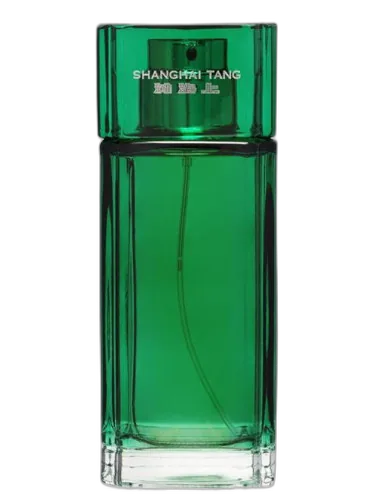

Jade Dragon Shanghai Tang
At a glance
Is Jade Dragon Shanghai Tang worth trying?
Jade Dragon by Shanghai Tang is a Citrus Aromatic fragrance for men.
- Best match
- Casual wear in Spring, Summer
- Performance feel
- Moderate longevity with Moderate sillage
- Signature profile
- green, citrus, aromatic with Tea Leaf, Bergamot, Vetiver
The first impression
Jade Dragon by Shanghai Tang is a Citrus Aromatic fragrance for men. Jade Dragon was launched in 2014. The nose behind this fragrance is Carlos Benaïm.
What shapes the scent
The perfumer behind it

Carlos Benaïm
Carlos Benaïm is a perfumer with a diverse portfolio spanning A Lab on Fire, Alfred Dunhill, and Aramis. He created Liquidnight for A Lab on Fire and Century for Alfred Dunhill. His work also includes Quorum for Antonio Puig and Havana Pour Elle for Aramis.
Notes pyramid
All Notes
Complete scent profile
 Tea Leaf
 Bergamot
 Vetiver
The mood it creates
The Sage Archetype: Portrait of Jade Dragon Shanghai Tang
Essence
To wear Jade Dragon by Shanghai Tang is to embrace an aura of quiet mastery-a fragrance that balances the crispness of green tea with the warmth of amber, the sharpness of citrus with the depth of vetiver. It is neither loud nor docile, neither ostentatious nor meek. It is the scent of someone who moves through the world with precision, who values refinement without excess, and who seeks wisdom without dogma.
This person is, above all, a Sage-an archetype defined by intellect, discernment, and a hunger for truth. But like all archetypes, the Sage has its shadows: detachment, skepticism, and the occasional arrogance of one who believes they see more clearly than others.
Shadow
Yet wisdom, when overindulged, can become a fortress. Their greatest flaw is not ignorance but over-intellectualization-the tendency to dissect life until it loses its pulse. They may struggle with intimacy, not because they fear vulnerability, but because they analyze it before they feel it. A partner might accuse them of being emotionally distant; a friend might sense an unspoken judgment in their silence.
Their skepticism, while often justified, can harden into cynicism. They see through illusions easily, but this can make them dismissive of those who still find solace in them. There is a quiet arrogance in the Sage-the belief that their understanding elevates them above the fray. At worst, they become the observer who never fully participates, the critic who never creates.
Conclusion
Their life is an exercise in curation-not of objects alone, but of experiences, relationships, and ideas. They are drawn to the understated elegance of minimalism, favoring clean lines in design, well-tailored but unassuming clothing, and spaces that breathe rather than suffocate. Their home is likely a sanctuary of order, where every book, every piece of art, has been chosen with deliberation.
Philosophy is not an abstract pursuit for them but a lived discipline. They may be drawn to Stoicism, Zen Buddhism, or the works of thinkers like Nietzsche himself-not as doctrine, but as tools for navigating existence. They value self-mastery, rationality, and the ability to observe without immediately reacting. Emotion is not dismissed, but it is examined, dissected, understood before it is expressed.
In relationships, they are the steady hand, the listener who offers insight rather than empty comfort. They attract those who seek clarity, who appreciate depth over superficial charm. Their friendships are few but enduring, built on mutual respect rather than neediness. Romance, for them, is a meeting of minds first-passion must be tempered by understanding, or it risks becoming mere chaos.
If you like this, try these
Fragrances with a comparable profile - shared accords, notes, and character.
Essenzialmente Laura
Vi Essenzialmente Laura
Shared top notes: bergamot, vetiver
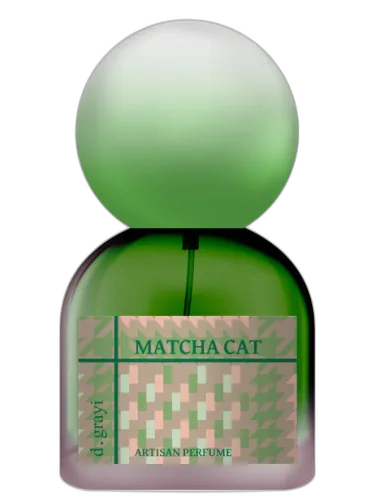
d.grayi
Matcha Cat D.grayi
Shared top notes: bergamot, tea leaf
Elizabeth W
Vetiver Elizabeth W
Shared top notes: bergamot, vetiver
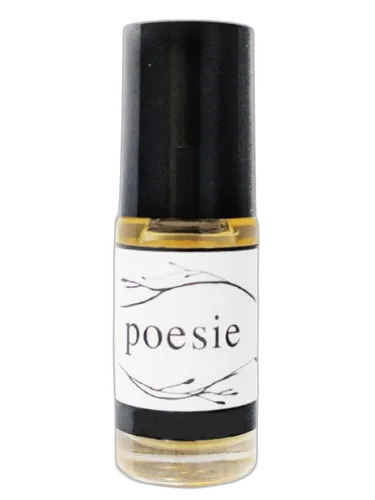
Poesie
Buttoned Down Poesie
Shared top notes: bergamot, vetiver
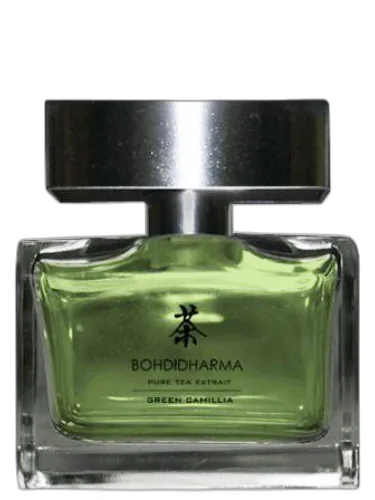
Bohdidharma
Green Camellia Bohdidharma
Shared top notes: bergamot