
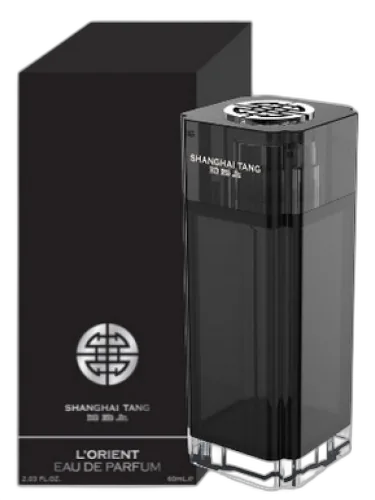

L'orient Shanghai Tang
At a glance
Is L'orient Shanghai Tang worth trying?
L'Orient by Shanghai Tang is a Leather fragrance for men.
- Best match
- Evening wear in Fall, Winter
- Performance feel
- Moderate longevity with Moderate sillage
- Signature profile
- fresh spicy, woody with Nutmeg, Cedar, Leather
The first impression
L'Orient by Shanghai Tang is a Leather fragrance for men. L'Orient was launched in 2014. The nose behind this fragrance is Carlos Benaïm.
What shapes the scent
The perfumer behind it

Carlos Benaïm
Carlos Benaïm is a perfumer with a diverse portfolio spanning A Lab on Fire, Alfred Dunhill, and Aramis. He created Liquidnight for A Lab on Fire and Century for Alfred Dunhill. His work also includes Quorum for Antonio Puig and Havana Pour Elle for Aramis.
Notes pyramid
All Notes
Complete scent profile
 Nutmeg
 Cedar
Cedar
 Leather
The mood it creates
The Sage Archetype: Portrait of L'orient Shanghai Tang
Essence
To wear L’Orient Shanghai Tang is to embrace a fragrance that is at once opulent and restrained-a paradox of bold spices softened by delicate florals, evoking both the mystery of the East and the refinement of the West. The person who chooses this scent is not merely selecting a perfume; they are curating an aura. They are drawn to the interplay of contrasts-warmth and distance, tradition and modernity, sensuality and intellect. This duality suggests a mind that thrives in the liminal spaces between worlds, a thinker who navigates life with both curiosity and discernment.
Relationships
They do not collect friends; they cultivate them. Their relationships are built on intellectual and emotional resonance, not mere convenience. They are drawn to those who challenge them, who offer new perspectives, who can match their wit without resorting to superficial banter. Romantic partners must be both stimulating and enigmatic-someone who keeps them intrigued, never fully deciphered.
Yet, their discerning nature can become a barrier. The Sage’s shadow is detachment, a tendency to overanalyze emotions until they lose their vitality. They may withdraw into their mind, mistaking observation for participation. At their worst, they become aloof, their love of wisdom turning into a fear of vulnerability.
Shadow
The Sage’s greatest flaw is their capacity to think themselves out of living. They may become so enamored with ideas that they forget to act, or so wary of folly that they avoid risk altogether. Their pursuit of depth can lead to paralysis-always searching for the perfect insight, the ultimate truth, while life passes by in fragments.
And yet, when balanced, the Sage is a guiding light-a person whose wisdom is not cold, but warm with lived experience. They remind others that to know the world is to love it, even in its contradictions.
Conclusion
The lover of L’Orient Shanghai Tang is, at heart, a wanderer-not of geography, but of thought and sensation. They move through life with the quiet confidence of one who knows that truth is layered, that beauty is found in the interplay of opposites. Their challenge is to step out of the mind’s labyrinth and into the raw, unfiltered pulse of existence-to let wisdom serve life, not replace it.
For in the end, even the Sage must learn that some things-like the perfect fragrance-are felt before they are understood.
If you like this, try these
Fragrances with a comparable profile - shared accords, notes, and character.
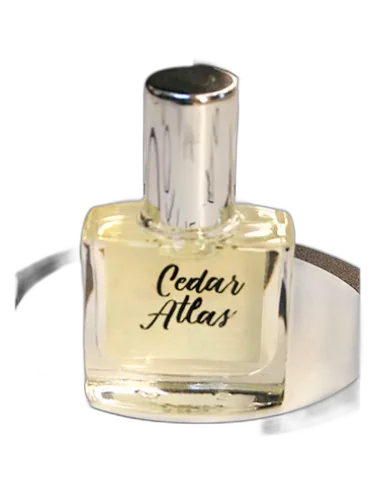
Serenity + Scott
Cedar Atlas Serenity + Scott
Shared top notes: cedar
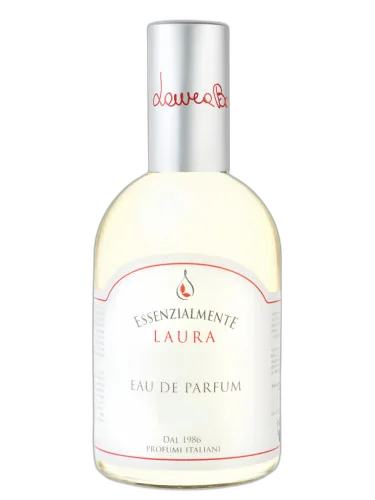
Essenzialmente Laura
Bosco Essenzialmente Laura
Shared top notes: cedar

The Crown Perfumery Co.
Town & Country The Crown Perfumery Co.
Shared top notes: cedar
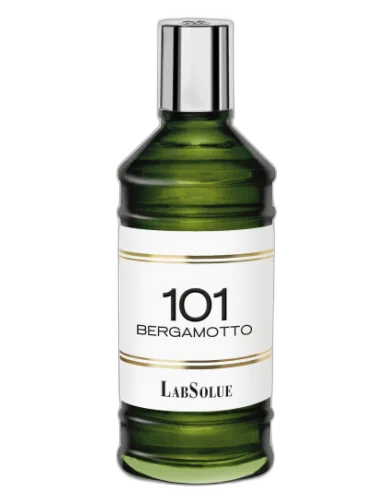
LabSolue
101 Bergamotto Labsolue
Shared top notes: cedar
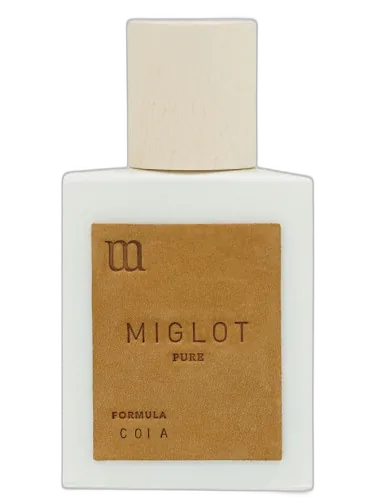
Miglot
Miglot Pure Cedarwood Edition 1 Miglot
Shared top notes: cedar