
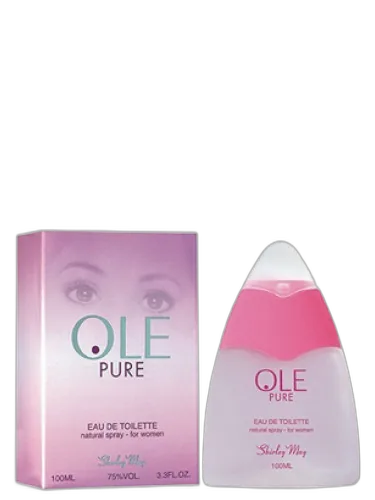

Ole Pure Shirley May
At a glance
Is Ole Pure Shirley May worth trying?
Ole Pure by Shirley May is a Floral fragrance for women.
- Best match
- Evening wear in Spring
- Performance feel
- Good longevity with Moderate sillage
- Signature profile
- floral, rose, musky with Coriander Leaf, Black currant leaf, Peony
The first impression
Ole Pure by Shirley May is a Floral fragrance for women. Top notes are Coriander Leaf and Black currant leaf; middle notes are Peony, Bulgarian Rose, Hibiscus, Coffee and Nutmeg; base notes are White Musk and Benzoin.
What shapes the scent
The perfumer behind it

Shirley May
Shirley May designs perfumes that range from fresh, uplifting compositions to deeper, more intense expressions. Her scents, like Army Fight and Devotion, often highlight crisp citrus, green accords, or rich oriental bases. She has a talent for creating versatile fragrances suited for everyday wear. May's work appeals to those who value both vibrancy and sophistication in their scent choices.
Notes pyramid
Top Notes
First impression · 15-30 min
 Coriander Leaf
 Black currant leaf
Heart Notes
Core character · 2-4 hours
 Peony
Bulgarian Rose
Peony
Bulgarian Rose
 Hibiscus
 Coffee
 Nutmeg
Base Notes
Lasting impression · 4+ hours
White Musk
 Benzoin
The mood it creates
The Lover Archetype: Portrait of Ole Pure Shirley May
Essence
To wear Ole Pure Shirley May is to embrace a fragrance that balances delicate floralcy with an undercurrent of sensuality-soft yet profound, tender yet unyielding. This scent speaks of someone who lives through the senses, who seeks beauty not as an ornament but as a vital force. Their soul is most closely aligned with the Lover archetype, one who finds meaning in connection, aesthetics, and the pursuit of what stirs the heart.
Shadow
Yet, like all who live by feeling, they risk drowning in their own depths. Their sensitivity, while a gift, can become a burden-they absorb the emotions of others like a sponge, leaving them fatigued, even resentful. At times, they retreat into isolation, not out of cruelty, but because the weight of the world’s sorrows becomes too much to bear.
Their pursuit of beauty can also slip into indulgence. They may lose themselves in the pleasures of the moment, neglecting duty or practicality. There is a danger in their hedonism-not in its excess, but in its escapism. When reality becomes too stark, they may seek refuge in sensory delights rather than facing what must be faced.
Conclusion
Their world is one of heightened sensation-where textures, flavors, and scents are not merely experienced but felt. They surround themselves with objects of tactile beauty: linen that whispers against the skin, ceramics shaped by hands that understand weight and form, books whose pages carry the musk of time. Their home is not a shelter but a sanctuary, each corner curated to evoke emotion-a vase of dried roses, a well-worn leather chair, the faintest trace of incense lingering in the air.
Philosophically, they reject the notion that life must be endured rather than savored. They believe in pleasure as a form of wisdom, in touch as a language, in the way a shared meal can be more intimate than words. Their values are rooted in authenticity-they despise artifice, yet they are not naive. They know the world is harsh, but they choose to meet it with an open heart rather than armor.
If you like this, try these
Fragrances with a comparable profile - shared accords, notes, and character.
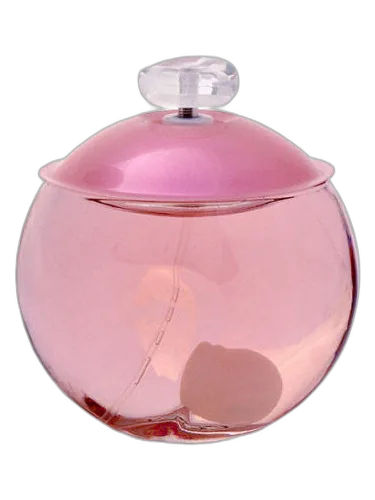
Cacharel
Noa Fleur Cacharel
Shared heart notes: bulgarian rose, coffee, hibiscus

Sandalia
Daidalos Sandalia
Shared base notes: benzoin, white musk
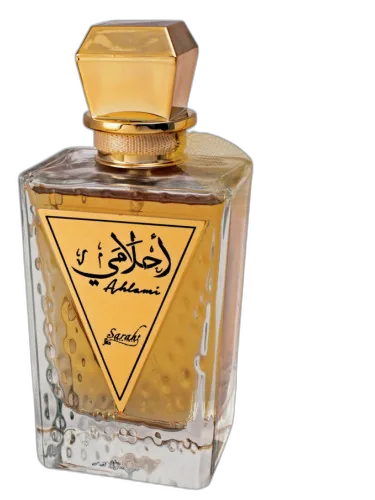
Sarahs Creations
Ahlami Sarahs Creations
Shared top notes: black currant leaf
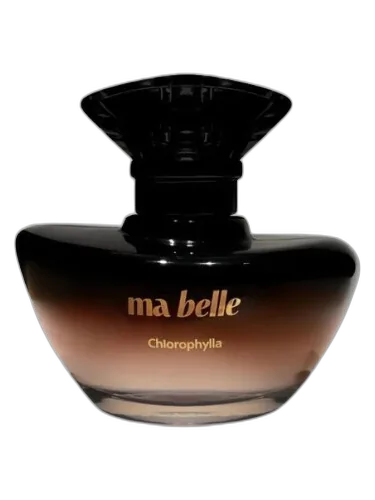
Chlorophylla
Ma Belle Chlorophylla
Shared heart notes: peony
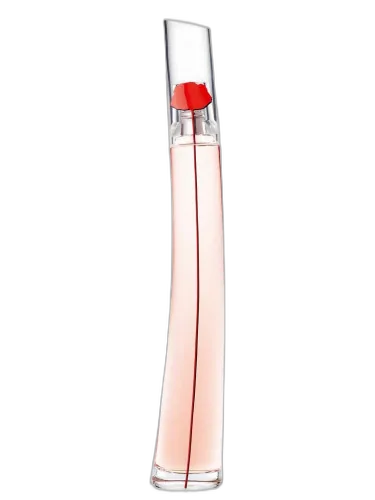
Kenzo
Flower By Kenzo Eau De Vie Kenzo
Shared heart notes: bulgarian rose