
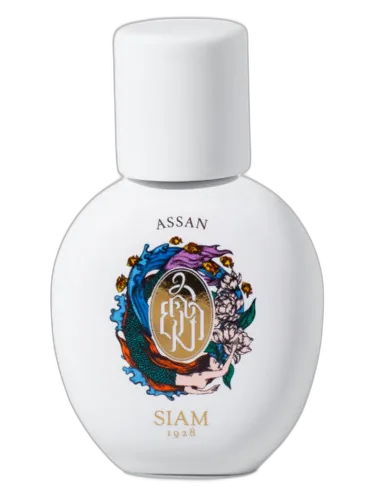

Assan Siam 1928
At a glance
Is Assan Siam 1928 worth trying?
Assan by SIAM 1928 is a fragrance for women and men.
- Best match
- Casual wear in Summer
- Performance feel
- Good longevity with Moderate sillage
- Signature profile
- amber, aquatic, woody with Watery Notes, Green Notes, Petitgrain
The first impression
Assan by SIAM 1928 is a fragrance for women and men. Assan was launched in 2020. The nose behind this fragrance is Nutt Wesshasartar. Top notes are Watery Notes, Green Notes, Petitgrain and Bergamot; middle notes are Ylang-Ylang, Orange Blossom, Olibanum, Jasmine and Styrax; base notes are Salt, Seaweed, Labdanum and Cedar.
What shapes the scent
The perfumer behind it

Nutt Wesshasartar
Nutt Wesshasartar is a Thai perfumer known for his work with Azman and SIAM 1928, creating fragrances like I Am Darkness Azman and Aerapata Siam 1928. His compositions often draw on Thai cultural and natural elements, blending dark, mysterious notes with fresh, aromatic accords. He has contributed to the growth of Southeast Asian niche perfumery with a focus on storytelling and local ingredients.
Notes pyramid
Top Notes
First impression · 15-30 min
 Watery Notes
 Green Notes
 Petitgrain
 Bergamot
Heart Notes
Core character · 2-4 hours
 Ylang-Ylang
 Orange Blossom
Olibanum
Orange Blossom
Olibanum
 Jasmine
 Styrax
Base Notes
Lasting impression · 4+ hours
 Salt
Salt
 Seaweed
 Labdanum
 Cedar
Cedar
The mood it creates
The Wanderer Archetype: Portrait of Assan Siam 1928
Essence
Assan Siam 1928 embodies the Wanderer archetype, a soul drawn to the liminal spaces where land meets sea. The aquatic and green top notes evoke a restless spirit, while the salty seaweed and labdanum base suggest a traveler who carries the scent of distant shores. This fragrance speaks to those who find solace in movement, their identity shaped by the ever-shifting horizon.
The Wanderer is not lost but deliberately unmoored, seeking transformation in the interplay of citrus brightness and floral depth. Assan’s marine accords mirror their fluidity, a reminder that home is not a place but a state of curiosity.
Style & Aesthetic
Their style is effortlessly layered, favoring lightweight fabrics that catch the wind and neutral tones that blend with any landscape. Think linen shirts rolled at the sleeves, sun-bleached denim, and leather satchels worn smooth by use. The aesthetic is utilitarian yet poetic, with a preference for handmade ceramics and driftwood sculptures.
Assan’s green-citrus opening aligns with their love of unadorned beauty, while the floral heart hints at a romanticism beneath the practicality. Their spaces are airy, filled with maps and pressed botanicals, each object a fragment of a larger journey.
Philosophy & Values
Freedom is their creed, and they distrust anything that smacks of permanence. They believe in the wisdom of tides-the way surrender can be a form of strength. The salt and cedar in Assan’s base reflect this resilience, a quiet endurance beneath the surface.
They value adaptability above all, seeing rigidity as a kind of death. Their spirituality is elemental, rooted in the tangible: the smell of rain on hot pavement, the way sunlight fractures on waves. For them, the sacred is found in motion.
Relationships
They connect deeply but transiently, their relationships marked by intense, fleeting intimacy. Like the jasmine and orange blossom in Assan’s heart, their affections are luminous but ephemeral. They are the confidant who listens under a shared blanket on a beach, then vanishes at dawn.
Romantically, they are drawn to fellow wanderers, though these partnerships often dissolve like sea foam. Their love letters are postcards with no return address, each stamp a relic of a moment already passed.
Lifestyle
Their days are unstructured, governed by whim and weather. Mornings might find them sketching in a harbor café, afternoons bartering for spices in a market. Assan’s marine freshness mirrors their habit of rising early to watch fishermen haul in their nets.
They work itinerant jobs-translating, teaching yoga, crewing on sailboats-always leaving before routine sets in. Even in cities, they seek out rooftop gardens and riverbanks, places where the wild lingers at the edges.
Shadow
Their restlessness can become avoidance, a refusal to face the depths they carry within. The styrax and olibanum in Assan’s heart note hint at a longing for grounding they rarely acknowledge. They risk becoming a ghost, so light they leave no imprint.
At their worst, they romanticize rootlessness, mistaking solitude for independence. The seaweed’s brine turns cloying, a reminder that even the sea has its seasons of stillness.
Conclusion
Assan Siam 1928 is the scent of a horizon-line life, where every departure is also an arrival. It captures the Wanderer’s paradox: the ache for belonging and the terror of being anchored. To wear it is to carry the sea’s whisper, a promise that there are always new shores to explore.
If you like this, try these
Fragrances with a comparable profile - shared accords, notes, and character.
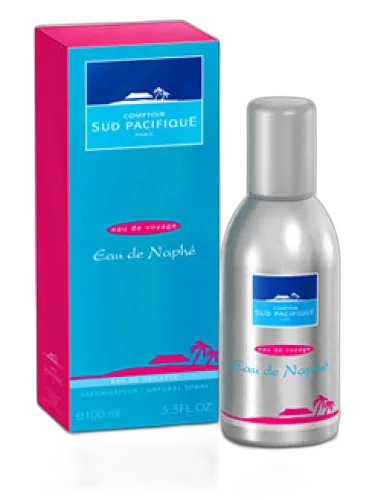
Comptoir Sud Pacifique
Eau De Naphe Comptoir Sud Pacifique
Shared top notes: bergamot
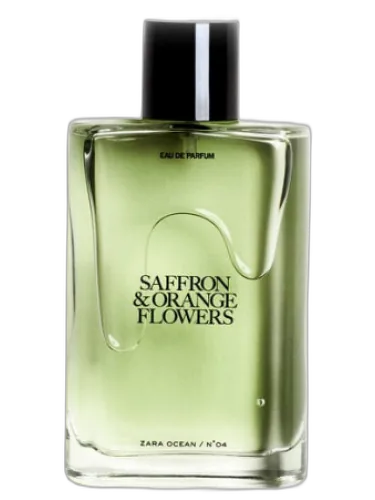
Zara
Saffron & Orange Flowers Zara
Shared top notes: bergamot, green notes
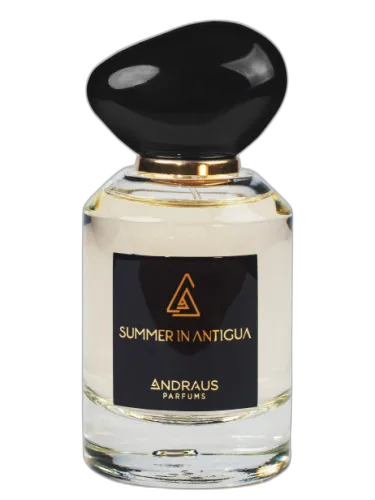
Andraus Parfums
Summer In Antigua Andraus Parfums
Shared top notes: bergamot, petitgrain

By Kilian
Love And Tears By Kilian
Shared top notes: bergamot, petitgrain

Edeniste
Jasmin Cruel Edeniste
Shared top notes: bergamot, green notes