


Triskelé Sikelia
Fragrance Story
Triskelé by Sikelia is a Aromatic Green fragrance for women and men. Triskelé was launched in 2021. The nose behind this fragrance is Fulvio Ciccolo. Top notes are Rosemary, Red Wine, Petitgrain and Grapes; middle notes are Patchouli and Myrrh; base notes are Agarwood (Oud) and Ambergris.
Composition Profile
About the Perfumer

Fulvio Ciccolo
Fulvio Ciccolo is an Italian perfumer known for his work with the Sikelia brand. He has created fragrances such as Atma, Nikos, and Triskelé. Ciccolo's compositions often reflect a Mediterranean sensibility, blending natural and aromatic elements.
Fragrance Notes
Top Notes
First impression · 15-30 min
 Rosemary
 Red Wine
 Petitgrain
 Grapes
Heart Notes
Core character · 2-4 hours
 Patchouli
 Myrrh
Myrrh
Base Notes
Lasting impression · 4+ hours
.jpg) Agarwood (Oud)
Agarwood (Oud)
 Ambergris
Triskelé Sikelia by Sikelia offers a distinctive olfactory experience that stands out from other fragrances in its category.
Crafted with the finest ingredients and a blend of traditional and modern perfumery techniques, this fragrance represents the pinnacle of the perfumer's art.
Triskelé Sikelia embodies the distinctive style of Sikelia while adding a unique chapter to their fragrance portfolio.
Character Profile
The Lover Archetype: Portrait of Triskelé Sikelia
Essence
The one who wears Triskelé Sikelia is no mere admirer of scent-they are a devotee of the land, the myth, and the raw pulse of life. Their soul is woven from the same threads as the Earth Mother archetype, a figure of nurturing abundance and primal sensuality. Like the fragrance itself-rooted in Sicilian citrus, bitter herbs, and sun-warmed earth-they embody both fertility and wildness. They do not merely exist; they cultivate, whether it be beauty, passion, or wisdom.
Yet the Earth Mother is not without her shadows. Where there is growth, there is also decay; where there is warmth, there can be smothering. This person thrives in giving life but may struggle when faced with barrenness-whether in relationships, creativity, or their own spirit.
Style & Aesthetic
Their world is one of texture and depth. They are drawn to the organic-rough linen, unpolished wood, ceramics shaped by hand. Their home is not minimalist but lived-in, with shelves lined with books on folklore, botany, and ancient religions. They prefer food that tastes of the earth: ripe figs, dark honey, olives still glistening with brine.
In art, they favor the tactile-oil paintings with thick impasto, sculptures that invite touch, music that swells like a storm over the Mediterranean. They disdain the sterile, the overly refined. For them, beauty must have weight, history, a hint of the untamed.
They are neither fully settled nor entirely nomadic. They may keep a garden, even if it’s just herbs on a windowsill, for they need to tend something. Yet they also crave movement-journeys to coastal villages, hikes through forests where the air is thick with pine and damp earth.
Work, for them, must have meaning beyond profit. They thrive in roles that allow creation or nurturing-chefs, herbalists, storytellers, healers. Routine stifles them unless it is ritual, unless it carries the weight of intention.
Philosophy & Values
They believe in cycles-of nature, of love, of the self. To them, life is not a linear march but a spiral, returning again and again to its origins while ascending. They distrust dogma but hold deep reverence for tradition, particularly those tied to the land. Their spirituality, if they claim one, is pagan in essence: gods are not distant but in the soil, the sea, the scent of orange blossoms on the wind.
Their morality is one of reciprocity. They give freely but expect loyalty in return. Betrayal cuts deep, for they see relationships as sacred bonds, not transient connections.
Relationships
To love them is to be enveloped-in passion, in care, in the sheer force of their presence. They are fiercely loyal, the kind of person who remembers birthdays, cooks feasts for friends in need, and listens with their whole body. Their love is not abstract; it is in the hand on your shoulder, the shared bottle of wine, the insistence that you stay for just one more hour.
But their devotion can become possessive. They may mistake control for protection, suffocation for warmth. When wounded, they do not retreat but cling, fearing the barrenness of abandonment. Their shadow emerges in jealousy, in the quiet demand that others orbit their world as faithfully as the seasons turn.
Shadow
The Earth Mother’s greatest fear is sterility-of heart, of purpose, of land. When their gifts are rejected or their efforts go unseen, they do not wither but harden. Resentment simmers beneath their warmth. They may hoard affection, becoming manipulative in their need to be needed. Or they may grow bitter, withdrawing into a fortress of self-sufficiency, refusing to acknowledge their own hunger for connection.
Yet even in their darkest moments, they are never truly barren. The scent of Triskelé Sikelia lingers-citrus bright as dawn, herbs bitter as wisdom, earth rich with the promise of renewal. They need only remember: decay is not death. It is the necessary dark before the green returns.
Similar Fragrances
Fragrances with a comparable profile - shared accords, notes, and character.
Sikelia
Triskelé Sikelia
Shared accords: amber, aromatic, balsamic

Sospiro Perfumes
Grazioso Sospiro Perfumes
Shared accords: amber, balsamic, earthy

Kemi Blending Magic
Hayat Kemi Blending Magic
Shared accords: amber, aromatic, earthy
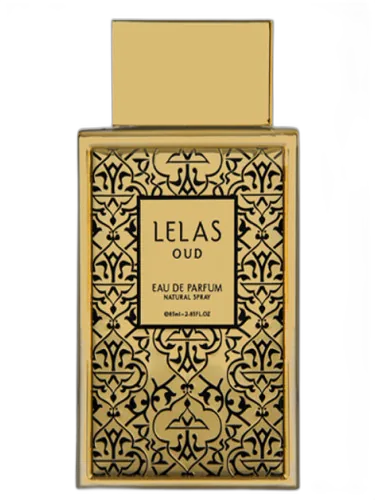
LELAS
Lelas Oud Lelas
Shared accords: amber, aromatic, fresh spicy

Oryn House
Narcotic Oud Oryn House
Shared accords: amber, balsamic, earthy