
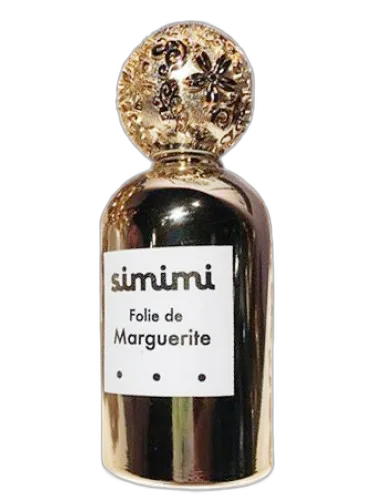

Folie De Marguerite Simimi
At a glance
Is Folie De Marguerite Simimi worth trying?
Folie de Marguerite by Simimi is a Floral Woody Musk fragrance for women.
- Best match
- Evening wear in Spring
- Performance feel
- Very Good longevity with Strong sillage
- Signature profile
- amber, sweet, aromatic with Magnolia, Iris, Saffron
The first impression
Folie de Marguerite by Simimi is a Floral Woody Musk fragrance for women. Folie de Marguerite was launched in 2017. The nose behind this fragrance is Paolo Terenzi. Top notes are Magnolia, Iris, Saffron, Patchouli and Lemon; middle notes are elemi, Tuberose, Pink Pepper, Agarwood (Oud) and Jasmine; base notes are Myrrh, Praline, Amber, Vanilla, White Oud, Carrot, Musk, Oak and Cedar.
What shapes the scent
The perfumer behind it

Paolo Terenzi
Paolo Terenzi is a perfumer known for his work with Antonio Croce, creating a range of fragrances including Ardente, Incantevole, Meraviglia, Perfetta, Sofisticata, Straordinaria, and Unica. He also composed 1+7 Extrait De Parfum for D'OTTO. Terenzi's style is characterized by bold, opulent compositions that often feature rich florals and warm resins.
Notes pyramid
Top Notes
First impression · 15-30 min
 Magnolia
 Iris
Iris
 Saffron
 Patchouli
 Lemon
Lemon
Heart Notes
Core character · 2-4 hours
 elemi
elemi
 Tuberose
 Pink Pepper
 Agarwood (Oud)
 Jasmine
Base Notes
Lasting impression · 4+ hours
 Myrrh
Myrrh
 Praline
 Amber
Amber
 Vanilla
 White Oud
 Carrot
 Musk
Musk
 Oak
Oak
 Cedar
Cedar
The mood it creates
The Lover Archetype: Portrait of Folie De Marguerite Simimi
Essence
The one who wears Folie De Marguerite Simimi is no mere admirer of fragrance-they are a seeker of the intoxicating, the poetic, the untamed. Their soul aligns most closely with the Enchantress, an archetype that thrives on allure, depth, and transformation. The Enchantress is not merely seductive in the carnal sense; they seduce life itself, drawing beauty from chaos and mystery from the mundane. Like the daisy (marguerite) that gives the fragrance its name, they appear delicate, yet their roots run deep, their spirit resilient.
Shadow
Yet, like all archetypes, the Enchantress has a shadow. Their love of beauty can tip into escapism, a refusal to engage with life’s harsher truths. They may romanticize suffering, mistaking chaos for depth. At their worst, they become the Trickster, weaving illusions not to enchant but to evade-avoiding commitment, responsibility, or the mundane labor of building a stable life.
Their charm can also turn manipulative, not out of malice but from a subconscious belief that life is a performance. They may discard people once the initial magic fades, mistaking the natural ebb of relationships for a loss of enchantment.
They are neither saint nor sinner, but a living paradox-both the daisy and the storm that bends it. Their flaw is not a lack of depth but an excess of it, a refusal to settle into simplicity. Yet this is also their gift: they remind others that life is not meant to be merely endured, but felt, savored, transformed.
To wear Folie De Marguerite Simimi is to embrace the wild heart of existence-to dance on the edge of madness and genius, knowing that the most intoxicating fragrances are often the ones that linger just beyond understanding.
Conclusion
Their tastes are an ode to the romantic and the unexpected. They favor art that lingers in the subconscious-symbolist paintings, decadent poetry, music that ebbs between melancholy and euphoria. Their wardrobe is a carefully curated paradox: flowing silks paired with structured leather, vintage lace against modern minimalism. They do not follow trends; they embody them, then discard them when they no longer serve their evolving self.
Philosophy is not an abstract exercise for them-it is lived. They believe in the aesthetics of existence, that life must be felt deeply, even at the risk of pain. Stoicism bores them; they prefer the tempestuous wisdom of the Romantics, the raw honesty of Nietzsche’s Dionysian abandon. Their values are rooted in authenticity, but not the hollow kind-theirs is an authenticity that demands self-creation, a refusal to be confined by expectation.
If you like this, try these
Fragrances with a comparable profile - shared accords, notes, and character.
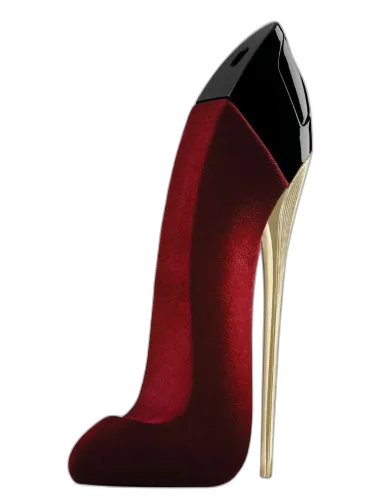
Carolina Herrera
Good Girl Velvet Fatale Carolina Herrera
Shared top notes: lemon
Pont Des Arts
À Chaque Instant Pont Des Arts
Shared top notes: saffron

Carolina Herrera
Good Girl Dot Drama Collector Edition Carolina Herrera
Shared top notes: lemon
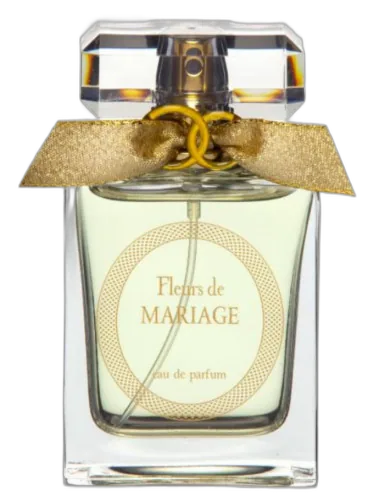
Sergio Nero
Fleurs De Mariage Sergio Nero
Shared heart notes: jasmine

La Maison Orientale
Faith La Maison Orientale
Shared top notes: saffron