


Montmartre Sixteen92
Fragrance Story
Montmartre by Sixteen92 is a Floral fragrance for women and men. Montmartre was launched in 2017. The nose behind this fragrance is Claire Baxter.
Composition Profile
About the Perfumer

Claire Baxter
Claire Baxter is the perfumer behind several Sixteen92 fragrances, including A Thousand Times More Fair, Aeromancy, Black Sugar, Blood & Honey, Bruise Violet, Chiromancy, Death By Stereo!, and Dr. Van Helsing. Her work for the brand often explores dark, atmospheric themes with a gothic sensibility. She is known for creating complex, narrative-driven scents that evoke specific moods and places.
Fragrance Notes
All Notes
Complete scent profile
 Powdery Notes
 Floral Notes
 Smoke
Smoke
 Silk Tree blossom
 Absinthe
Montmartre Sixteen92 by Sixteen92 offers a distinctive olfactory experience that stands out from other fragrances in its category.
Crafted with the finest ingredients and a blend of traditional and modern perfumery techniques, this fragrance represents the pinnacle of the perfumer's art.
Montmartre Sixteen92 embodies the distinctive style of Sixteen92 while adding a unique chapter to their fragrance portfolio.
Character Profile
The Wanderer Archetype: Portrait of Montmartre Sixteen92
Essence
The Wanderer archetype is a seeker of beauty and meaning, drawn to the bohemian and the ephemeral. Montmartre captures this spirit with its ethereal blend of powdery notes, floral whispers, and a haunting wisp of smoke. The opening is soft and nostalgic, like the dust of old bookshops and the scent of silk flowers in a Parisian atelier. The heart of silk tree blossom and absinthe adds an intoxicating, slightly surreal edge-a nod to the artist’s muse and the absinthe-soaked cafés of history. This is a fragrance for those who wander not to escape, but to find themselves in the forgotten corners of the world.
Style & Aesthetic
The Wanderer’s style is effortlessly artistic, a mix of vintage finds and modern comfort. They favor flowing silhouettes, worn leather, and layers of texture-lace over linen, a velvet blazer over a cotton dress. Their palette is muted and earthy: charcoal, dusty rose, sage green. Accessories are curated treasures: a tarnished locket, a silk scarf, a beret. Their aesthetic is that of a painter’s studio or a moonlit garden-romantic, slightly melancholic, and deeply personal.
Philosophy & Values
The Wanderer values authenticity, creativity, and the beauty of impermanence. They believe that life is a journey, not a destination, and that meaning is found in the moments between-the fleeting glance, the half-remembered dream. They are drawn to art, poetry, and music that speaks to the soul’s longing. Their philosophy is rooted in the idea that to be lost is to be open to discovery, and that the truest path is the one you create yourself.
Relationships
In relationships, the Wanderer is magnetic but elusive. They form deep, intense connections with fellow artists and dreamers, but they guard their independence fiercely. They are the friend who appears with a bottle of wine and a story, then vanishes for weeks on a creative retreat. In romance, they seek a partner who understands their need for space and mystery-someone who can dance with them in the moonlight without demanding to know where they’ve been.
Lifestyle
The Wanderer’s life is a series of rituals and inspirations. They rise late, spend mornings sketching or writing in a café, and wander through galleries and flea markets in the afternoon. Their home is a bohemian sanctuary: mismatched furniture, stacks of books, dried flowers, and the lingering scent of incense. They are nocturnal, finding their best ideas after midnight. They travel light, both physically and emotionally, always ready for the next adventure.
Shadow
The Wanderer’s shadow is detachment and a fear of commitment. Their love of freedom can become an excuse for emotional distance, leaving others feeling abandoned. They may romanticize suffering, mistaking melancholy for depth. Their tendency to drift can lead to a life of beautiful fragments rather than a cohesive whole. They must learn that roots can be as sacred as wings.
Conclusion
Montmartre is the scent of a soul that belongs to the twilight-a fragrance of powder, smoke, and forgotten flowers. It is a portrait of the artist as a wanderer, forever chasing the muse through the cobblestone streets of memory. To wear it is to embrace the beauty of transience, to find poetry in the imperfect, and to wander with purpose through the landscape of your own imagination.
Similar Fragrances
Fragrances with a comparable profile - shared accords, notes, and character.
Sixteen92
Montmartre Sixteen92
Shared accords: aromatic, floral, fruity
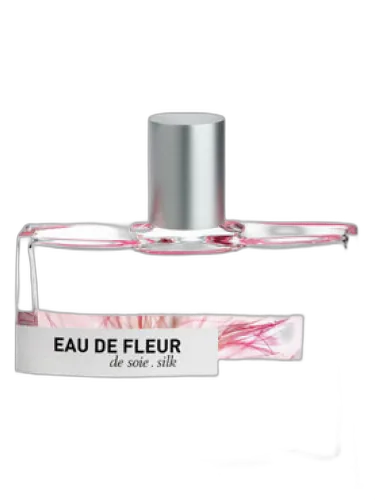
Kenzo
Eau De Fleur De Soie Kenzo
Shared accords: floral, fruity

Aroma M
Geisha Violet Roll-on Perfume Oil Aroma M
Shared accords: floral, powdery
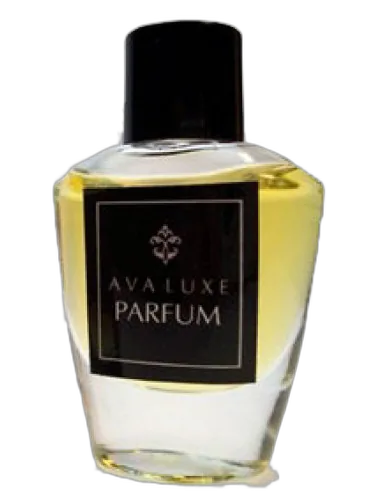
Ava Luxe
Heliotrope Ava Luxe
Shared accords: floral, fruity, powdery

Chris Adams
Salsa Chris Adams
Shared accords: aromatic, floral, fruity