
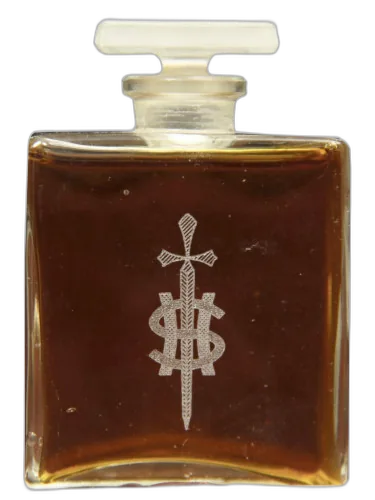

64 Sjaak Hullekes
At a glance
Is 64 Sjaak Hullekes worth trying?
64 by Sjaak Hullekes is a Oriental Fougere fragrance for men.
- Best match
- Evening, Special Occasion wear in Fall, Winter
- Performance feel
- Good longevity with Strong sillage
- Signature profile
- citrus, tobacco, fresh spicy with Bergamot, Lemon, Neroli
The first impression
64 by Sjaak Hullekes is a Oriental Fougere fragrance for men. 64 was launched in 2012. The nose behind this fragrance is Barnabe Fillion. Top notes are Bergamot, Lemon, Neroli, Rosebay Willowherb and Pepper; middle notes are Licorice and Grass; base notes are Tobacco and Amber.
What shapes the scent
The perfumer behind it

Barnabe Fillion
Barnabe Fillion is a French perfumer who trained at Givaudan and now works closely with Aesop, where he has become a defining creative force. His style is known for blending raw, mineral-like accords with earthy and aromatic notes, often evoking landscapes and natural textures. He created several of Aesop’s most distinctive fragrances, including the green, citrusy Erémia, the smoky, woody Karst, and the dark, resinous Miraceti.
Notes pyramid
Top Notes
First impression · 15-30 min
 Bergamot
 Lemon
Lemon
 Neroli
 Rosebay Willowherb
 Pepper
Heart Notes
Core character · 2-4 hours
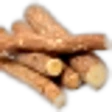 Licorice
 Grass
Grass
Base Notes
Lasting impression · 4+ hours
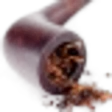 Tobacco
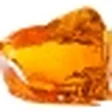 Amber
Amber
The mood it creates
The Enigmatic Visionary Archetype: Portrait of 64 Sjaak Hullekes
Essence
The person who gravitates toward 64 Sjaak Hullekes is most closely aligned with the Sage-a seeker of truth, wisdom, and hidden meanings. This fragrance, with its blend of smoky woods, leather, and a whisper of spice, evokes an air of quiet contemplation and intellectual depth. The Sage does not merely exist in the world; they dissect it, question it, and seek to understand its underlying structures. They are drawn to complexity, both in scent and in life, preferring the enigmatic over the obvious.
Yet, the Sage is not merely a detached observer. Their wisdom is tempered by a subtle sensuality-an appreciation for the textures of life, the weight of history, and the poetry of the unseen. 64 Sjaak Hullekes mirrors this duality: cerebral yet tactile, refined yet primal.
Style & Aesthetic
Their tastes are deliberate, almost ritualistic. They favor minimalism with depth-a well-worn leather notebook, a tailored coat with faintly visible stitching, a single piece of antique jewelry that carries a story. Their home is curated, not cluttered: dark woods, muted tones, and objects that demand closer inspection. A first edition of Nietzsche sits beside a Japanese incense burner; a vintage vinyl record plays something obscure but hauntingly beautiful.
They appreciate contrast-bitterness in their coffee, dissonance in their music, the tension between shadow and light in art. They are drawn to filmmakers like Tarkovsky and Bergman, where silence speaks louder than dialogue.
They thrive in solitude and controlled chaos. Their workspace is orderly, but their mind is a labyrinth of half-formed ideas. They may keep odd hours, reading late into the night or wandering the city at dawn, when the world feels suspended between dreams and reality.
They are drawn to rituals-brewing tea with precision, lighting a candle before writing, wearing the same scent as a second skin. These small acts ground them in a world they often find overwhelming.
Philosophy & Values
Knowledge is their compass, but not in the sterile academic sense. They seek wisdom that is lived, not just studied. They distrust dogma, preferring to question even their own beliefs. Their morality is not rigid but fluid-shaped by experience rather than doctrine.
They value authenticity above all else, despising pretension and empty gestures. This can make them seem aloof, even judgmental, as they have little patience for superficiality. Yet, when they find someone who meets their intellectual and emotional standards, their loyalty is unwavering.
Relationships
They are not gregarious, but neither are they reclusive. They move through social circles like a quiet force, observing before engaging. Their friendships are few but profound, built on mutual respect and deep conversation. Romantic partners must be their equals-not in knowledge, but in curiosity. They are drawn to those who challenge them, who refuse to be easily deciphered.
Their shadow emerges in emotional detachment. They can become so absorbed in thought that they neglect the warmth of human connection. At their worst, they intellectualize feelings, turning love into a puzzle to solve rather than an experience to embrace.
Shadow
The Sage’s greatest weakness is their own intellect. They can become lost in abstraction, mistaking understanding for living. Their pursuit of truth may blind them to simpler joys-laughter without analysis, love without dissection.
At times, they withdraw too deeply, becoming isolated in their own mind. Their skepticism can harden into cynicism, their wisdom into arrogance. They must remember that knowledge, when untempered by humility, becomes a prison.
Conclusion
64 Sjaak Hullekes is not a scent for the passive. It is for those who walk the line between thought and sensation, who find beauty in the unresolved. The Sage who wears it is both a scholar and a sensualist, a thinker who knows that wisdom is meaningless if it does not touch the soul.
They are not without flaws-but their flaws are the price of depth. In their quest for truth, they sometimes forget that life is not merely to be understood, but to be lived. Yet, when they strike the right balance, they become something rare: a mind that illuminates, a presence that lingers, like the faintest trace of smoke long after the fire has burned out.
If you like this, try these
Fragrances with a comparable profile - shared accords, notes, and character.
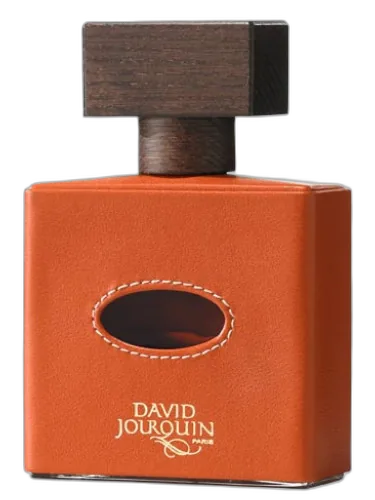
David Jourquin
Cuir Mandarine David Jourquin
Shared top notes: pepper
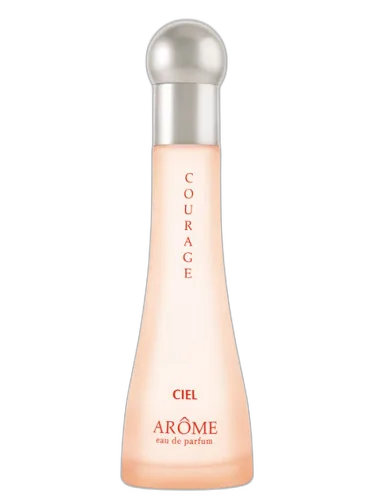
CIEL Parfum
Courage Ciel Parfum
Shared top notes: pepper

Versace
Versace Man Versace
Shared top notes: bergamot, neroli, pepper
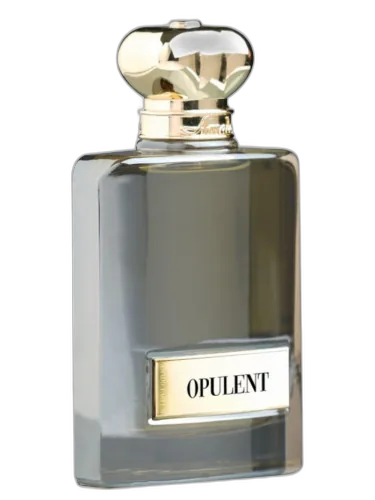
Amado
Opulent Amado
Shared top notes: bergamot, lemon
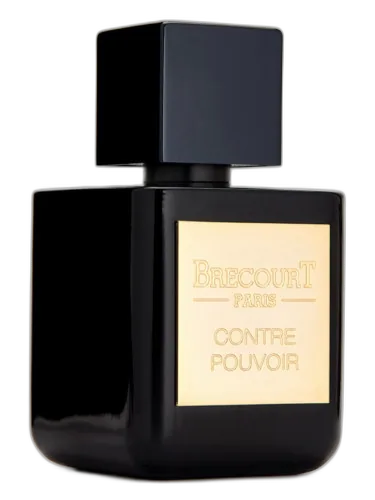
Brecourt
Contre Pouvoir Brecourt
Shared top notes: bergamot