
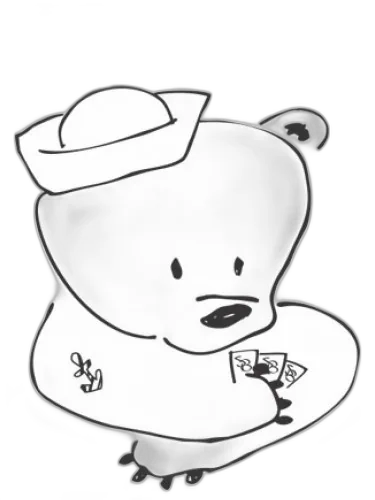

Ice Station Zebra 2012 Smell Bent
At a glance
Is Ice Station Zebra 2012 Smell Bent worth trying?
Ice Station Zebra 2012 by Smell Bent is a Floral Woody Musk fragrance for women and men.
- Best match
- Casual wear in Winter
- Performance feel
- Moderate longevity with Moderate sillage
- Signature profile
- woody, fresh spicy, aromatic with Fir, Musk
The first impression
Ice Station Zebra 2012 by Smell Bent is a Floral Woody Musk fragrance for women and men. Ice Station Zebra 2012 was launched in 2012. The nose behind this fragrance is Brent Leonesio.
What shapes the scent
The perfumer behind it

Brent Leonesio
Brent Leonesio has created fragrances for both Scent Trunk and Smell Bent, with a portfolio that includes Fae, 2010, Artist's Studio, Blimey, Limey!, Bohemian Rhapsody, Bollywood Or Bust, Bolshevixen, and Brussels Sprouted. His style is playful and eclectic, often drawing from pop culture and whimsical themes. Leonesio's scents are recognized for their creativity and accessibility.
Notes pyramid
All Notes
Complete scent profile
 Fir
Fir
 Musk
Musk
The mood it creates
The Explorer Archetype: Portrait of Ice Station Zebra 2012 Smell Bent
Essence
Ice Station Zebra 2012 by Smell Bent is a scent of contradictions-cold, metallic, yet with an undercurrent of warmth, like a fire burning in an abandoned outpost. It evokes isolation and resilience, a fragrance for those who find beauty in desolation. The person who wears it is drawn to the edges of experience, where most would hesitate to tread.
This individual embodies the Explorer, an archetype defined by curiosity, independence, and a relentless drive to push beyond boundaries. The Explorer seeks not just physical frontiers but intellectual and emotional ones as well. They are the wanderer, the pioneer, the one who refuses to be confined by convention. Yet, like all archetypes, the Explorer has a shadow-restlessness, detachment, and a tendency to flee before roots can take hold.
Shadow
Yet the Explorer’s strength is also their flaw. Their restlessness can become a form of evasion, a refusal to commit-to people, to places, to ideas. They mistake motion for progress, and in their relentless pursuit of the next horizon, they risk never truly arriving anywhere. Their detachment, once a source of clarity, can harden into isolation.
They may grow impatient with those who prefer stability, dismissing them as timid or unadventurous. Their relationships suffer from their inability to stay-lovers feel abandoned, friends grow weary of goodbyes. Even their philosophy, so liberating in youth, can become a cage in maturity, leaving them stranded in a self-imposed exile.
Conclusion
Their life is a series of deliberate departures. They are drawn to the stark and the minimal-architecture of glass and steel, landscapes of ice and rock. Their tastes reflect a preference for the raw over the ornate: black coffee, unadorned spaces, music that hums with silence as much as sound. They dress in layers, favoring textures that suggest durability-waxed canvas, wool, leather worn smooth by use.
Philosophically, they reject dogma, seeing life as an experiment rather than a doctrine. They value autonomy above all, believing that meaning is found in movement, in the act of questioning rather than in settled answers. Relationships, for them, are fleeting but intense-they inspire others with their daring, but few can keep pace. Their friendships are built on shared curiosity, not obligation.
If you like this, try these
Fragrances with a comparable profile - shared accords, notes, and character.
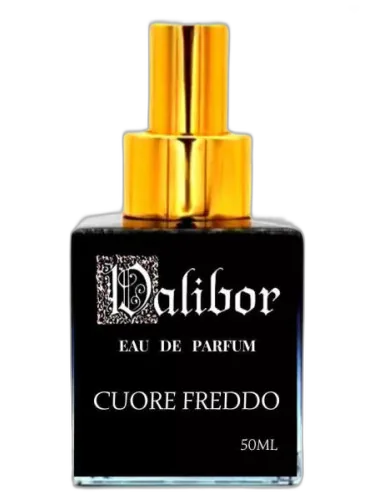
Dalibor Parfums
Cuore Freddo Dalibor Parfums
Shared top notes: fir, musk

CB I Hate Perfume
The Fir Tree Cb I Hate Perfume
Shared top notes: fir
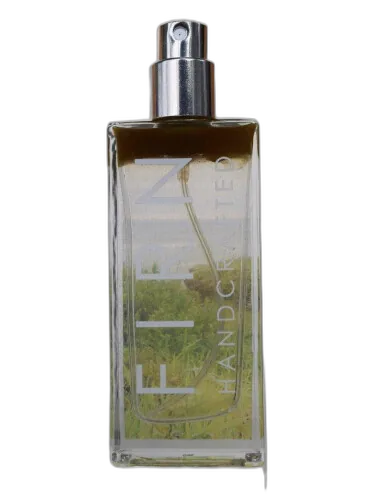
Firn Handcrafted
Mer Firn Handcrafted
Shared top notes: fir, musk

Aftelier
Trevert Aftelier
Shared top notes: fir
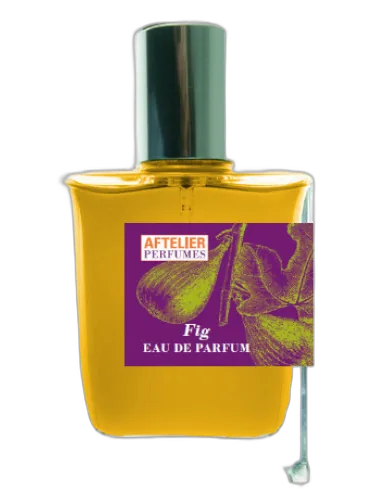
Aftelier
Fig Aftelier
Shared top notes: fir