


Lemon Cowboy Smell Bent
At a glance
Is Lemon Cowboy Smell Bent worth trying?
Lemon Cowboy by Smell Bent is a Citrus fragrance for women and men.
- Best match
- Casual wear in Summer
- Performance feel
- Moderate longevity with Moderate sillage
- Signature profile
- musky, citrus, leather with Amalfi Lemon, Musk, Leather
The first impression
Lemon Cowboy by Smell Bent is a Citrus fragrance for women and men. The nose behind this fragrance is Brent Leonesio. Top note is Amalfi Lemon; base notes are Musk and Leather.
What shapes the scent
The perfumer behind it

Brent Leonesio
Brent Leonesio has created fragrances for both Scent Trunk and Smell Bent, with a portfolio that includes Fae, 2010, Artist's Studio, Blimey, Limey!, Bohemian Rhapsody, Bollywood Or Bust, Bolshevixen, and Brussels Sprouted. His style is playful and eclectic, often drawing from pop culture and whimsical themes. Leonesio's scents are recognized for their creativity and accessibility.
Notes pyramid
Top Notes
First impression · 15-30 min
 Amalfi Lemon
Heart Notes
Core character · 2-4 hours
 Musk
Musk
 Leather
Base Notes
Lasting impression · 4+ hours
The mood it creates
The Outlaw Archetype: Portrait of Lemon Cowboy Smell Bent
Essence
To choose Lemon Cowboy by Smell Bent is to embrace contradiction-citrus brightness cut with leather and dust, a fragrance that refuses to settle into easy categories. It is playful yet rugged, irreverent yet grounded, a scent for someone who resists being neatly defined. The person who wears it is drawn to the tension between freedom and structure, between wildness and wit. They are, at their core, an Outlaw-the archetype that thrives on breaking rules, not out of malice, but out of a deep-seated belief that life should not be lived by default.
Shadow
Yet, like all archetypes, the Outlaw has a dark side. Their refusal to conform can tip into self-sabotage-rejecting opportunities simply because they feel too "establishment." Their independence sometimes becomes isolation, mistaking solitude for strength and connection for compromise.
They may struggle with commitment, not just to people but to their own potential. The same defiance that fuels their creativity can also keep them from discipline, leaving half-finished projects in their wake. They might romanticize chaos, mistaking instability for freedom, until one day they find themselves exhausted by their own restlessness.
Conclusion
This is someone who questions authority, not for the sake of rebellion alone, but because they see through the illusions of convention. They have little patience for pretense or hollow tradition. Their philosophy is one of radical authenticity-they would rather be disliked for who they are than loved for a carefully constructed facade.
They value freedom above all else-freedom of thought, movement, expression. Their tastes reflect this: music that defies genre, films with flawed protagonists, books that challenge dogma. They might admire the Beat poets, the rogue philosophers, the artists who refused to be tamed. Their style is an extension of this ethos-effortlessly disheveled, a mix of vintage leather, well-worn denim, and unexpected pops of color, like a cowboy who wandered into a citrus grove.
If you like this, try these
Fragrances with a comparable profile - shared accords, notes, and character.
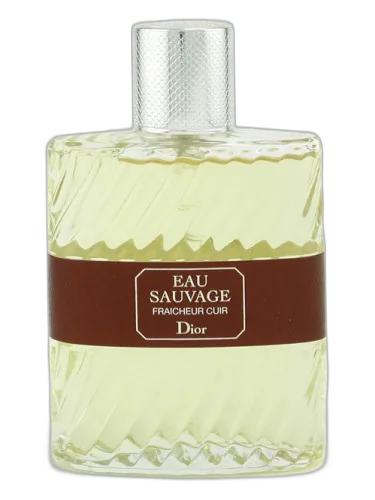
Dior
Eau Sauvage Fraicheur Cuir Dior
Shared top notes: amalfi lemon
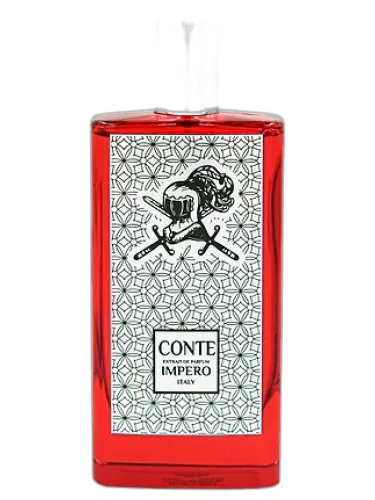
Impero Perfumes
Impero Conte Impero Perfumes
Shared heart notes: leather, musk
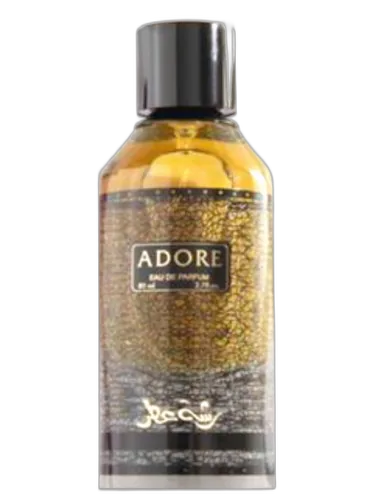
Rasht Otr
Adore Rasht Otr
Shared heart notes: leather, musk
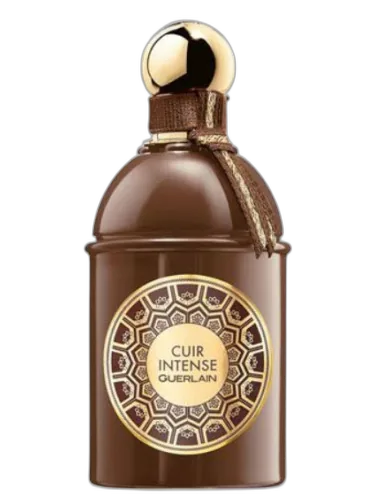
Guerlain
Les Absolus D'orient Cuir Intense Guerlain
Shared heart notes: leather, musk

Mugler
Angel Aqua Chic Mugler
Shared top notes: amalfi lemon