


Tea House Smell Bent
At a glance
Is Tea House Smell Bent worth trying?
Tea House by Smell Bent is a Floral Fruity fragrance for women and men.
- Best match
- Casual wear in Spring
- Performance feel
- Moderate longevity with Moderate sillage
- Signature profile
- citrus, sweet, green with Lemon, Earl Grey Tea, Cupcake
The first impression
Tea House by Smell Bent is a Floral Fruity fragrance for women and men. Tea House was launched in 2017. The nose behind this fragrance is Brent Leonesio.
What shapes the scent
The perfumer behind it

Brent Leonesio
Brent Leonesio has created fragrances for both Scent Trunk and Smell Bent, with a portfolio that includes Fae, 2010, Artist's Studio, Blimey, Limey!, Bohemian Rhapsody, Bollywood Or Bust, Bolshevixen, and Brussels Sprouted. His style is playful and eclectic, often drawing from pop culture and whimsical themes. Leonesio's scents are recognized for their creativity and accessibility.
Notes pyramid
All Notes
Complete scent profile
 Lemon
Lemon
 Earl Grey Tea
 Cupcake
The mood it creates
The Sage Archetype: Portrait of Tea House Smell Bent
Essence
The person who gravitates toward Tea House by Smell Bent is, at their core, a Sage-an archetype defined by wisdom, introspection, and a quiet but relentless pursuit of meaning. The fragrance itself, with its blend of smoky tea leaves, warm woods, and a whisper of spice, evokes an atmosphere of contemplation, solitude, and refined simplicity. Like the Sage, this individual is drawn to the spaces between words, the pauses in conversation, the quiet hum of existence beneath the noise of the world.
They are not a hermit, nor are they a detached scholar lost in abstraction. Instead, they are a curator of experience, someone who sifts through life with deliberate care, extracting meaning where others might only see routine. Their wisdom is not loud or dogmatic; it is lived, tested, and distilled into subtle gestures, tastes, and choices.
Style & Aesthetic
Their wardrobe is a study in considered minimalism. Linen, raw silk, muted earth tones-nothing loud, nothing demanding attention. They prefer textures that age beautifully, fabrics that tell a story over time. Their home is much the same: sparse but intentional, with well-worn books, handmade ceramics, and perhaps a single piece of art that holds deep personal significance.
They are drawn to imperfect beauty-the crack in a teacup, the fading ink of an old letter. For them, these flaws are not blemishes but proof of life lived. They might collect rare teas, vintage paperbacks, or obscure records-not for status, but for the quiet pleasure of tactile history.
Yet, their aesthetic discipline can sometimes curdle into fastidiousness. They may grow impatient with clutter, with disorder, with those who do not share their exacting standards. Their love of the refined can become a prison, making them brittle in the face of chaos.
Their days are structured around rituals, not routines. Morning tea is not merely a habit-it is a meditation. A walk is not just exercise; it is an act of noticing. They move through the world with a deliberate slowness, savoring the ordinary as if it were sacred.
They are drawn to professions that allow for depth over speed-writing, teaching, curation, craftsmanship. They thrive in roles where patience is rewarded, where mastery is a lifelong pursuit. They are not ambitious in the conventional sense; they seek not power, but understanding.
Yet, their reverence for the slow and deliberate can make them resistant to change. They may cling to their rituals even when they no longer serve them, mistaking habit for wisdom. Their love of the timeless can blind them to the necessity of adaptation.
Philosophy & Values
For this person, life is best understood in layers-like the unfolding notes of their favorite fragrance. They reject the obvious, the garish, the overly sentimental. Instead, they find beauty in restraint, in the way a single cup of tea can hold an entire afternoon’s worth of reflection. Their philosophy is one of measured depth-they do not rush to conclusions, nor do they cling to absolutes.
They value authenticity, but not in the performative sense. Their authenticity is quiet, almost invisible-a refusal to conform to trends, a preference for the understated over the ostentatious. They might admire Zen Buddhism, Stoicism, or the slow, deliberate craftsmanship of traditional arts. Their guiding principle is simple: Do not mistake noise for substance.
Yet, this very strength can become their shadow. Their disdain for the superficial can harden into elitism, a subtle condescension toward those who do not share their refined tastes. They may mistake their own detachment for enlightenment, forgetting that wisdom untested by the messiness of human connection is merely abstraction.
Relationships
They are not the life of the party, nor do they wish to be. Their friendships are few but deeply rooted, built on years of shared silence as much as conversation. They prefer one-on-one encounters over crowded gatherings, meaningful dialogue over small talk. When they love, they do so with quiet intensity-loyal, observant, but never possessive.
Romantically, they seek a partner who understands the poetry of restraint. They are not given to grand gestures; instead, they express affection through small, deliberate acts-brewing a perfect cup of tea, remembering a forgotten detail, knowing when to simply be together without words.
But their shadow here is emotional guardedness. Their love of solitude can become isolation; their fear of superficiality can make them hesitant to engage at all. They may mistake detachment for strength, leaving those who care for them feeling shut out.
Shadow
The greatest danger for this person is dogmatism in disguise. They pride themselves on their open-mindedness, but over time, their preferences can calcify into unspoken rules. They may dismiss anything too loud, too new, too emotional as "unrefined," forgetting that wisdom must sometimes be disrupted to grow.
Their challenge, then, is to balance depth with spontaneity, to remember that the most profound truths are often found in the unplanned, the messy, the imperfectly human. If they can do this, they become not just a Sage, but a true guide-one who understands that wisdom is not a destination, but a way of moving through the world.
If you like this, try these
Fragrances with a comparable profile - shared accords, notes, and character.

Thin Wild Mercury
Chelsea Staircase Thin Wild Mercury
Shared top notes: earl grey tea, lemon
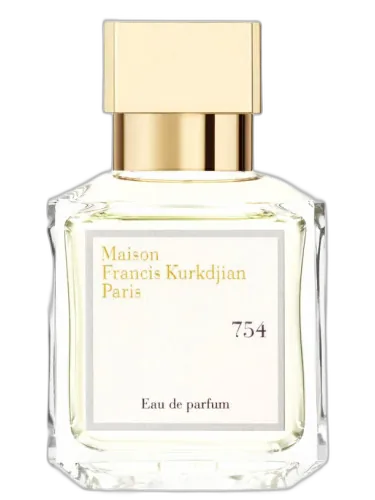
Maison Francis Kurkdjian
754 Maison Francis Kurkdjian
Shared top notes: lemon

Kierin
Sunday Brunch Kierin
Shared top notes: earl grey tea, lemon

A Wing & A Prayer Perfumes
Summer A Wing & A Prayer Perfumes
Shared top notes: lemon
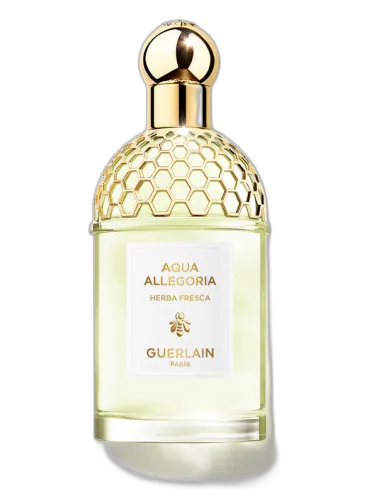
Guerlain
Aqua Allegoria Herba Fresca Guerlain
Shared top notes: lemon