


Misetu Soivohle
At a glance
Is Misetu Soivohle worth trying?
Misetu by Soivohle is a fragrance for women and men.
- Best match
- Evening wear in Spring, Fall
- Performance feel
- Good longevity with Moderate sillage
- Signature profile
- floral, mossy, woody with Lotus, Moss, Tobacco
The first impression
Misetu by Soivohle is a fragrance for women and men. Misetu was launched in 2006. The nose behind this fragrance is Liz Zorn.
What shapes the scent
The perfumer behind it

Liz Zorn
Liz Zorn is an independent American perfumer known for her Soivohle line, which features rich, narrative-driven compositions. Her catalog includes diverse scents like A Rose For Beacon Free, Amber Red Rose, and Carpathian Oud, often blending floral, amber, and woody notes. Zorn's work emphasizes artistry and storytelling through fragrance.
Notes pyramid
All Notes
Complete scent profile
 Lotus
Lotus
 Moss
Moss
 Tobacco
 Orris Root
 Magnolia
 Woody Notes
elemi
Woody Notes
elemi
 Resins
The mood it creates
The Mystic Archetype: Portrait of Misetu Soivohle
Essence
The Mystic dwells in the spaces between worlds, where the veil is thin and whispers of the unseen are audible. Misetu is the scent of that liminal space, a fragrance of aquatic florals and damp earth that feels both ancient and otherworldly. The wearer is a seeker of hidden truths, someone who finds the sacred in the silence.
This fragrance opens with a breath of lotus and moss, a green, watery accord that evokes a forgotten temple pool. The tobacco and orris root add a dry, powdery earthiness, like crumbling stone and dried petals. It is a scent of quiet contemplation, of secrets held in the roots of trees.
Style & Aesthetic
The Mystic’s style is ethereal and understated. They favor flowing fabrics in muted, natural tones: moss green, dove grey, and the pale blue of a winter sky. Their clothing is often layered, with textures of linen, silk, and soft wool, creating a sense of movement and mystery.
They are drawn to objects that hold energy: crystals, feathers, and hand-carved talismans. Their aesthetic is one of intentional simplicity, a rejection of the garish in favor of the profound. They move through the world like a shadow, present but not entirely of it.
Philosophy & Values
The Mystic values connection over possession. They believe that all things are interconnected, that the seen and unseen worlds are woven from the same thread. Their philosophy is one of reverence and surrender, a deep trust in the flow of the universe.
They seek wisdom not in books but in experience, in the quiet observation of nature and the inner landscape of dreams. They value intuition over logic, mystery over certainty. Their life is a practice of listening, of attuning to the subtle frequencies that others miss.
Relationships
The Mystic’s relationships are deep but often solitary. They are drawn to kindred spirits, those who understand the language of silence and the weight of unspoken things. They are loyal and gentle, but they require a great deal of space for their inner work.
They can be elusive, their attention drifting to other realms. A partner must be comfortable with long periods of quiet, with a love that is felt rather than spoken. The Mystic’s love is a still, deep pool, not a rushing river.
Lifestyle
The Mystic’s life is a series of rituals. They begin and end their days with meditation, often by water or in a garden. They are drawn to the edges of things: the shore, the forest line, the hour before dawn. Their home is a sanctuary, filled with the scent of incense and the sound of wind chimes.
They are solitary by nature, finding their deepest peace in aloneness. They are not hermits, but they are selective about their company, preferring the company of trees and stones to the noise of crowds. Their life is a slow, deliberate dance with the invisible.
Shadow
The Mystic’s shadow is the temptation to escape. In their quest for the transcendent, they can become detached from the material world, neglecting their earthly responsibilities and relationships. They risk becoming a ghost, haunting the edges of life without fully living it.
Their shadow can also manifest as a spiritual arrogance, a belief that their insights make them superior. The damp, earthy notes of Misetu hold this warning: the mystic must remain rooted, for the lotus grows from the mud.
Conclusion
Misetu is the scent of the Mystic’s journey. It is a fragrance of quiet power and profound depth, a reminder that the most sacred truths are found in the spaces between. To wear it is to step into the temple of the self, to listen to the whispers of the soul, and to find peace in the mystery.
If you like this, try these
Fragrances with a comparable profile - shared accords, notes, and character.

Kenzo
Rêve Lotus Kenzo
Shared top notes: lotus

Universal Flowering
Purple Afternoon Universal Flowering
Shared top notes: orris root, tobacco
Perfumer H
Water Lily Perfumer H
Shared top notes: elemi, moss
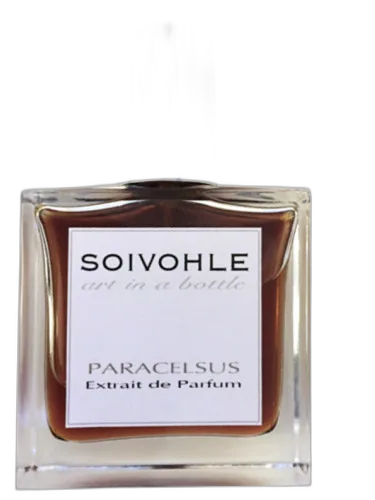
Soivohle
Paracelsus Soivohle
Shared top notes: moss, tobacco, woody notes

Cloon Keen Atelier
Lune De Givre Cloon Keen Atelier
Shared top notes: orris root, woody notes