
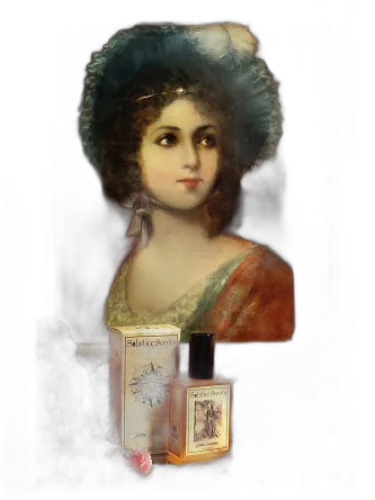

Estate Carnation Solstice Scents
At a glance
Is Estate Carnation Solstice Scents worth trying?
Estate Carnation by Solstice Scents is a Oriental Floral fragrance for women and men.
- Best match
- Evening wear in Fall
- Performance feel
- Good longevity with Moderate sillage
- Signature profile
- floral, warm spicy, vanilla with Carnation, Vanilla, Olibanum
The first impression
Estate Carnation by Solstice Scents is a Oriental Floral fragrance for women and men. The nose behind this fragrance is Angela St.John.
What shapes the scent
The perfumer behind it

Angela St.John
Angela St. John is the founder and creative force behind Solstice Scents, an independent perfume house known for its atmospheric and narrative-driven compositions. Her style blends natural and synthetic materials to evoke specific places, seasons, and moods, often with a dark, nostalgic, or gourmand bent. Notable creations from her catalog include the petrichor-laced After The Rain, the rich amber of Amber Coeur, and the woodland depth of Black Forest, each showcasing her talent for immersive storytelling through scent.
Notes pyramid
All Notes
Complete scent profile
 Carnation
 Vanilla
 Olibanum
 Orris Root
Moroccan Rose
Orris Root
Moroccan Rose
 Opium
Opium
 Smoke
Smoke
The mood it creates
The Lover Archetype: Portrait of Estate Carnation Solstice Scents
Essence
Estate Carnation by Solstice Scents is a scent of deep nostalgia-spiced carnation, vintage amber, and the faint whisper of old wood and leather. It evokes a world of faded grandeur, where passion lingers in the air like the last embers of a fire. The person who cherishes this fragrance is not merely drawn to its warmth; they are ensnared by its romantic melancholy. They are, at their core, a Romantic-one of Jung’s most poignant archetypes.
The Romantic is ruled by the heart, seeking beauty, intensity, and meaning in all things. They are drawn to the past, to lost loves, to the bittersweet ache of impermanence. Their life is a tapestry woven with sentiment, where every object, every scent, every memory is imbued with emotional weight.
Style & Aesthetic
Their surroundings reflect their inner world-rich but restrained, elegant but not ostentatious. They favor deep reds, antique golds, and the soft glow of candlelight. Their home is filled with old books, handwritten letters, and perhaps a few dried flowers pressed between pages. They are not a mere collector of things but a curator of feeling.
Philosophically, they believe in the sacredness of experience. Love, to them, is not merely an emotion but a force that shapes destiny. They may quote Rilke or Neruda, not out of pretension, but because these poets articulate the depths they feel. Their values are rooted in authenticity-they despise superficiality, preferring raw emotion over polite detachment.
Yet this intensity is both their strength and their undoing.
They are not idle dreamers; they are doers, but only in pursuits that stir their soul. They may be writers, artists, historians, or simply individuals who infuse their daily life with ritual. Mornings are for strong tea in a porcelain cup, evenings for records spinning on a vintage turntable.
Yet they are not immune to the mundane. They pay bills, attend meetings, and navigate the ordinary-but always with a sense that life should be more. This tension between the ideal and the real is their eternal struggle.
Relationships
In love, they are fervent, almost devotional. When they care, they care deeply, with a loyalty that borders on obsession. Their partners are often swept away by their ardor, but in time, some may feel suffocated. The Romantic does not love lightly; they love with the weight of history.
Friendships, too, are profound but demanding. They expect the same depth they give, and when others fall short, they retreat into solitude. Their closest bonds are with those who understand their need for meaning-those who can sit with them in silence and feel the unspoken weight of the moment.
Shadow
The Romantic’s greatest flaw is their refusal to accept life’s imperfections. They are prone to nostalgia, often mourning what was or what could have been. Their idealism can blind them to the beauty of the present, trapping them in cycles of longing.
At their worst, they become possessive, fearing loss so deeply that they cling too tightly. They may resent those who move on too quickly from heartbreak, seeing it as a betrayal of feeling. Their shadow is a refusal to let go-a belief that love, once true, must endure forever, even when life demands otherwise.
Conclusion
To love as they do is both a gift and a curse. They see the world in shades of gold and crimson, where others see gray. But this vision comes at a price-the constant ache for something just out of reach.
Yet perhaps this is what makes them extraordinary. In a world that often favors detachment, they remain unapologetically fervent. Their flaw is their depth, and their depth is their salvation. They are the keepers of lost loves, the whisperers of old stories, the ones who remind us that to feel deeply is not weakness, but the purest form of courage.
If you like this, try these
Fragrances with a comparable profile - shared accords, notes, and character.
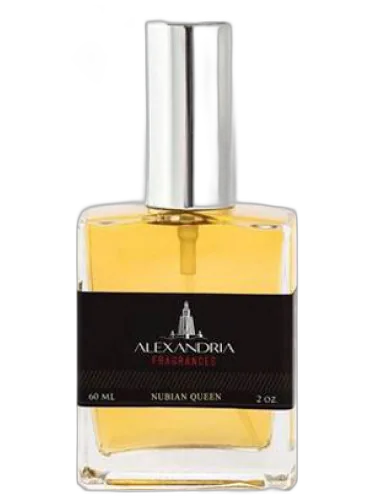
Alexandria Fragrances
Nubian Queen Alexandria Fragrances
Shared top notes: vanilla
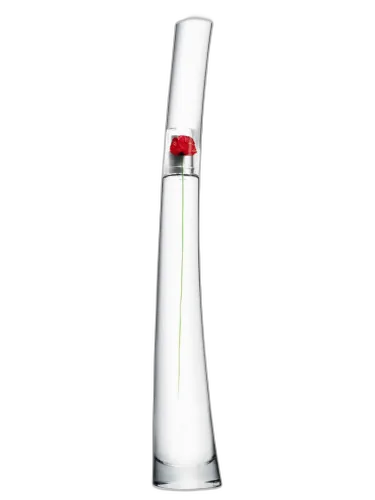
Kenzo
Flower By Kenzo Essentielle Kenzo
Shared top notes: vanilla
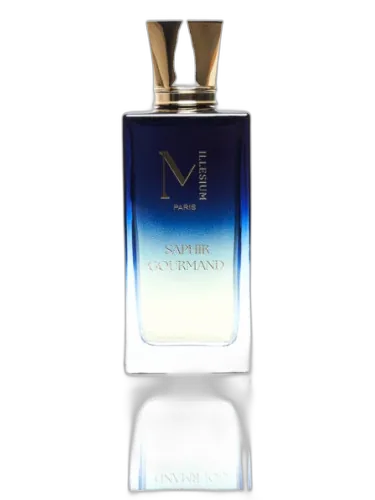
Millesium Paris
Saphir Gourmand Millesium Paris
Shared top notes: smoke, vanilla
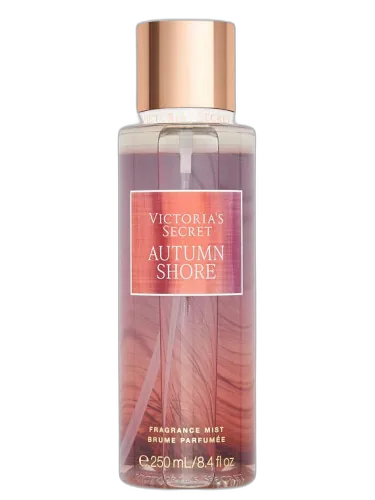
Victoria's Secret
Autumn Shore Victoria's Secret
Shared top notes: smoke, vanilla
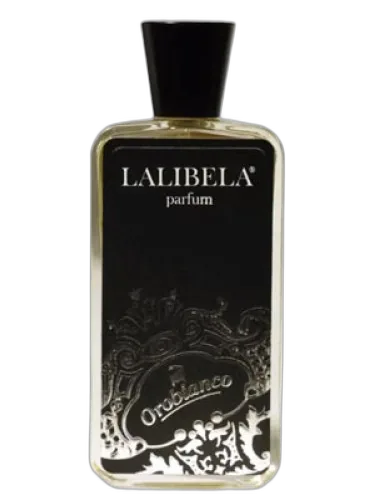
Orobianco Parfum Collection
Lalibela Orobianco Parfum Collection
Shared top notes: olibanum