


Estate Rosewood Solstice Scents
At a glance
Is Estate Rosewood Solstice Scents worth trying?
Estate Rosewood by Solstice Scents is a Oriental Vanilla fragrance for women and men.
- Best match
- Evening wear in Fall
- Performance feel
- Good longevity with Moderate sillage
- Signature profile
- woody, rose, sweet with Liquor, Tea Rose, Exotic Woods
The first impression
Estate Rosewood by Solstice Scents is a Oriental Vanilla fragrance for women and men. The nose behind this fragrance is Angela St.John.
What shapes the scent
The perfumer behind it

Angela St.John
Angela St. John is the founder and creative force behind Solstice Scents, an independent perfume house known for its atmospheric and narrative-driven compositions. Her style blends natural and synthetic materials to evoke specific places, seasons, and moods, often with a dark, nostalgic, or gourmand bent. Notable creations from her catalog include the petrichor-laced After The Rain, the rich amber of Amber Coeur, and the woodland depth of Black Forest, each showcasing her talent for immersive storytelling through scent.
Notes pyramid
All Notes
Complete scent profile
 Liquor
 Tea Rose
Exotic Woods
Texas Rosewood
Tea Rose
Exotic Woods
Texas Rosewood
 Oak
Oak
 Tobacco
 Vanilla
 Hinoki Wood
The mood it creates
The Mystic Archetype: Portrait of Estate Rosewood Solstice Scents
Essence
The person who cherishes Estate Rosewood by Solstice Scents is most closely aligned with the Mystic archetype. This fragrance-warm, woody, and subtly floral with hints of vanilla and spice-evokes an aura of quiet depth, introspection, and a longing for the sublime. The Mystic seeks meaning beyond the surface, drawn to the hidden layers of existence, whether in nature, art, or human connection. They are not merely dreamers but seekers, forever balancing between the tangible world and the ineffable.
Style & Aesthetic
Their surroundings reflect their inner world: rich textures, muted tones, and an air of timelessness. They prefer natural materials-aged wood, linen, stone-over synthetic gloss. Their wardrobe leans toward understated elegance, favoring deep greens, warm browns, and dusky rose hues. They may collect antique books, dried botanicals, or handwritten letters-objects that carry whispers of the past.
In music, they are drawn to compositions that feel like landscapes-Chopin’s nocturnes, the haunting melodies of Dead Can Dance, or the organic hum of a cello. Their taste in literature leans toward the poetic and philosophical-Rilke, Borges, or Woolf-writers who explore the liminal spaces between thought and feeling.
Their days are structured around ritual rather than routine. Mornings might begin with black coffee and journaling, evenings with slow walks or candlelit baths. They work best in environments that allow for autonomy-perhaps as writers, therapists, herbalists, or conservators of art. If forced into rigid schedules, they wither; freedom is their lifeblood.
They are drawn to places where time moves differently-old libraries, misty forests, abandoned chapels. Travel, for them, is less about sightseeing and more about immersion-staying in a village long enough to learn its cadence, its hidden stories.
Philosophy & Values
To them, life is not a series of events but a tapestry of symbols waiting to be deciphered. They believe in the sacredness of small moments-the way sunlight filters through trees, the weight of an old book in their hands, the lingering scent of rosewood on their skin. Their philosophy is one of depth over breadth, valuing intensity of experience over accumulation.
They reject the tyranny of the mundane, often questioning societal norms that prioritize efficiency over beauty, logic over intuition. Yet they are not naive romantics; they understand darkness as a necessary counterpart to light. Their spirituality, if they claim any, is personal-less about dogma and more about silent communion with the unseen.
Relationships
They do not seek crowds but kindred spirits-those who can sit in silence without discomfort, who understand that some truths are better felt than spoken. Their friendships are few but profound, built on mutual recognition rather than convenience. In love, they crave a partner who is both grounding and enigmatic-someone who can anchor them without clipping their wings.
Yet their depth can be isolating. They may struggle with those who demand constant sociability or superficial chatter, retreating into solitude when overwhelmed. Their silence is often mistaken for aloofness, but it is merely their way of preserving energy for what truly matters.
Shadow
For all their wisdom, the Mystic is not without flaws. Their introspection can tip into self-absorption, their love of solitude into isolation. They may romanticize melancholy, mistaking it for depth, or become so enamored with the unseen that they neglect the practicalities of life.
At worst, they may grow disdainful of those who live more superficially, forgetting that not everyone is wired for their brand of intensity. Their reluctance to engage with the mundane can leave them adrift, a ghost in their own life rather than an active participant.
Conclusion
The true challenge for the Mystic is integration-learning to walk the middle path between transcendence and embodiment. When balanced, they become guides, helping others glimpse the magic in the ordinary. When unbalanced, they risk becoming prisoners of their own inner world.
Estate Rosewood is their scent because it mirrors this duality: warm yet elusive, earthy yet ethereal. It is the fragrance of someone who knows that life’s deepest truths are found not in answers, but in the quiet spaces between them.
If you like this, try these
Fragrances with a comparable profile - shared accords, notes, and character.
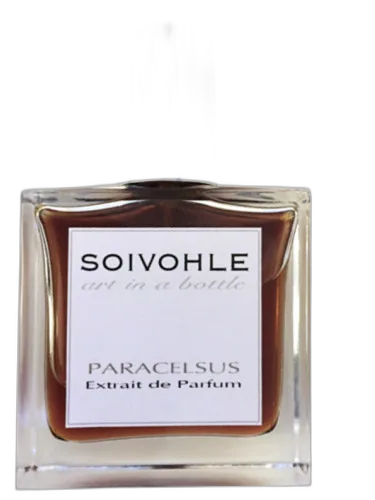
Soivohle
Paracelsus Soivohle
Shared top notes: tobacco, vanilla

Nose Republic
Rose Gambit Nose Republic
Shared top notes: liquor, tobacco

Somethin Special
Bourboned Tobacco Somethin Special
Shared top notes: oak, tobacco

Copper Still Fragrance
51 Copper Still Fragrance
Shared top notes: oak, tobacco, vanilla

STILLLIFE
Green Cockatoo Stilllife
Shared top notes: tobacco, vanilla