


High Noon Solstice Scents
At a glance
Is High Noon Solstice Scents worth trying?
High Noon by Solstice Scents is a Chypre fragrance for women and men.
- Best match
- Casual wear in Fall
- Performance feel
- Good longevity with Moderate sillage
- Signature profile
- woody, leather, smoky with Woodsy Notes, Leather, Sand
The first impression
High Noon by Solstice Scents is a Chypre fragrance for women and men. The nose behind this fragrance is Angela St.John.
What shapes the scent
The perfumer behind it

Angela St.John
Angela St. John is the founder and creative force behind Solstice Scents, an independent perfume house known for its atmospheric and narrative-driven compositions. Her style blends natural and synthetic materials to evoke specific places, seasons, and moods, often with a dark, nostalgic, or gourmand bent. Notable creations from her catalog include the petrichor-laced After The Rain, the rich amber of Amber Coeur, and the woodland depth of Black Forest, each showcasing her talent for immersive storytelling through scent.
Notes pyramid
All Notes
Complete scent profile
 Woodsy Notes
 Leather
 Sand
Sand
 Whiskey
 Tobacco
 Musk
gunpowder
Musk
gunpowder
 Hay
Spices
Hay
Spices
 Amber
Amber
 Skin
Skin
The mood it creates
The Explorer Archetype: Portrait of High Noon Solstice Scents
Essence
The one who chooses High Noon Solstice Scents is not merely drawn to fragrance-they seek an experience. The scent, with its sun-baked leather, dry grasses, and faint whispers of gunpowder and salt, evokes a landscape both vast and intimate. This person is an Explorer, an archetype defined by their relentless pursuit of freedom, novelty, and the uncharted. They are not content with the well-trodden path; they crave the horizon, the moment just before dusk when the world feels poised between revelation and mystery.
Their life is a series of departures and arrivals, never fully settled but never truly lost. They move through the world with a quiet confidence, as if they alone understand the secret rhythm of time-the way the sun lingers at noon before surrendering to the afternoon.
Style & Aesthetic
Their tastes are tactile, raw, and unpretentious. They prefer textures that tell stories: worn leather boots, linen shirts softened by years of wear, silver jewelry tarnished by salt and wind. Their home, if they have one, is a curated collection of found objects-antique maps, sun-bleached bones, a rusted railroad spike repurposed as a paperweight.
Music for them is folk-blues or desert rock, the kind that hums with the heat of an empty highway. They read Cormac McCarthy and Rebecca Solnit, books where the landscape is as much a character as the people. Their philosophy is simple: Movement is meaning. Stagnation is a kind of death.
Philosophy & Values
They believe in the sovereignty of the individual, in the right to wander without apology. Rules are suggestions, boundaries are negotiable. Their moral code is self-determined-they answer to no one but their own sense of integrity. This can make them fiercely loyal to those they love, but also frustratingly elusive.
They value authenticity above all else. Pretense disgusts them; they have no patience for social games or hollow pleasantries. If they stay in a conversation, it is because they find something real in it. Otherwise, they will vanish like smoke.
Relationships
They love deeply but fleetingly. Their relationships are intense, marked by long nights of whiskey and confession, but they resist permanence. They are not cruel-they simply cannot promise what they cannot give. To cage them is to kill the very thing you love about them.
Their closest bonds are with those who understand their need for space. These rare companions are fellow wanderers, people who do not demand explanations when they disappear for weeks at a time. Their love is not possessive; it is an open hand, not a closed fist.
Shadow
But the Explorer is not without their darkness. Their relentless motion can become avoidance-an unwillingness to face the deeper wounds that drive them. They mistake movement for growth, believing that if they keep walking, they will outpace their own ghosts.
There is a loneliness in them, though they would never name it. The road is their sanctuary, but also their exile. They may wake one day to find that all their stories are of places, not people, and wonder if they have traded depth for distance.
Conclusion
The true challenge for this person is not in the leaving, but in the staying. To know when to rest, when to let the world come to them instead of chasing it. The scent of High Noon lingers because it is not just about movement-it is about the pause, the stillness before the next step.
If they can learn this, they become not just a wanderer, but a guide-one who has seen enough to know where the real treasures lie. Not in the next town, but in the quiet moments between departures.
If you like this, try these
Fragrances with a comparable profile - shared accords, notes, and character.

DS&Durga
Spent Musket Oil Ds&durga
Shared top notes: leather, musk, tobacco
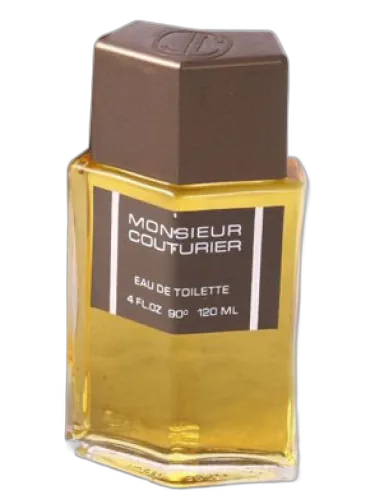
Jean Couturier
Monsieur Couturier Jean Couturier
Shared top notes: leather, spices, tobacco
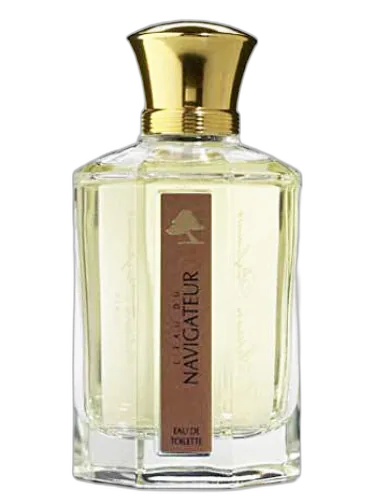
L'Artisan Parfumeur
L'eau Du Navigateur L'artisan Parfumeur
Shared top notes: leather, spices, tobacco

Almah Parfums 1948
Camden Stories Almah Parfums 1948
Shared top notes: amber, leather, tobacco

Sixteen92
Dr. Van Helsing Sixteen92
Shared top notes: leather, musk, whiskey