
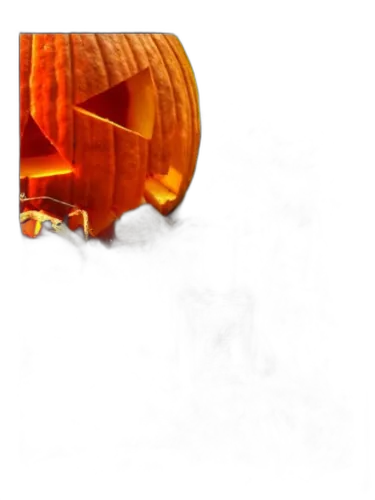
Jack And The Devil Solstice Scents
At a glance
Is Jack And The Devil Solstice Scents worth trying?
Jack and the Devil by Solstice Scents is a Oriental Spicy fragrance for women and men.
- Best match
- Evening wear in Fall
- Performance feel
- Good longevity with Moderate sillage
- Signature profile
- warm spicy, patchouli, sweet with Spices, Patchouli, Pumpkin
The first impression
Jack and the Devil by Solstice Scents is a Oriental Spicy fragrance for women and men. The nose behind this fragrance is Angela St.John.
What shapes the scent
The perfumer behind it

Angela St.John
Angela St. John is the founder and creative force behind Solstice Scents, an independent perfume house known for its atmospheric and narrative-driven compositions. Her style blends natural and synthetic materials to evoke specific places, seasons, and moods, often with a dark, nostalgic, or gourmand bent. Notable creations from her catalog include the petrichor-laced After The Rain, the rich amber of Amber Coeur, and the woodland depth of Black Forest, each showcasing her talent for immersive storytelling through scent.
Notes pyramid
All Notes
Complete scent profile
 Spices
 Patchouli
 Pumpkin
Tobacco Leaf
Pumpkin
Tobacco Leaf
 Amber
Amber
 Vanilla
 Oakmoss
The mood it creates
The Jack And The Devil Enthusi Archetype: Portrait of Jack And The Devil Solstice Scents
Essence
The person who gravitates toward Jack And The Devil by Solstice Scents is not one to be easily defined. Their essence is best captured by the Trickster, an archetype that thrives on duality, mischief, and transformation. The Trickster is neither wholly good nor evil, but a force of disruption, play, and revelation. They dance on the edges of convention, teasing out hidden truths while cloaking themselves in ambiguity.
This fragrance-dark, spicy, earthy, with a hint of sweetness-mirrors their nature. The vanilla and amber whisper warmth, while the patchouli and musk ground them in something primal. The faintest trace of apple (the forbidden fruit?) lingers, a nod to temptation and knowledge. They are drawn to scents that unsettle as much as they enchant, just as they unsettle and enchant those around them.
Relationships
They do not love lightly, nor do they love predictably. Their relationships are intense, intellectual, and often short-lived-not because they lack depth, but because they resist being fully known. They crave partners who challenge them, who can match their wit and tolerate their mercurial nature.
Friendships with them are equally dynamic. They are the confidant who gives startlingly good advice but disappears for months without explanation. They inspire loyalty precisely because they refuse to conform to expectations.
Shadow
Their greatest strength is their adaptability. They move through social circles with ease, shifting masks when necessary, always observing, always learning. They have a sharp wit and a talent for revealing uncomfortable truths wrapped in humor. People are drawn to their magnetism, their refusal to be pinned down.
But the shadow of the Trickster is restlessness and detachment. Their love of games can make them unreliable-they vanish when things become too predictable or demanding. Their humor, though disarming, can cut too deep, leaving wounds they never intended. They fear stagnation above all else, and so they sabotage stability before it can claim them.
Conclusion
Their tastes are eclectic, favoring the strange and the beautiful in equal measure. They might collect antique tarot decks, vintage leather-bound books, or oddities like preserved butterflies and rusted keys. Their home is a curated chaos-dimly lit, filled with rich textures, and always smelling faintly of incense or aged paper.
In style, they favor layers-a tailored coat over a rumpled shirt, a delicate silver ring next to a chunky obsidian bracelet. Their aesthetic is neither gothic nor bohemian but something in between, a deliberate blurring of lines. They enjoy the tension between refinement and wildness, much like the fragrance they wear.
Philosophically, they reject rigid moral binaries. They believe in the fluidity of truth, the necessity of deception in art and survival, and the power of humor to dismantle pretension. They are drawn to thinkers like Nietzsche, who saw wisdom in chaos, and Jung, who understood the necessity of the shadow.
If you like this, try these
Fragrances with a comparable profile - shared accords, notes, and character.
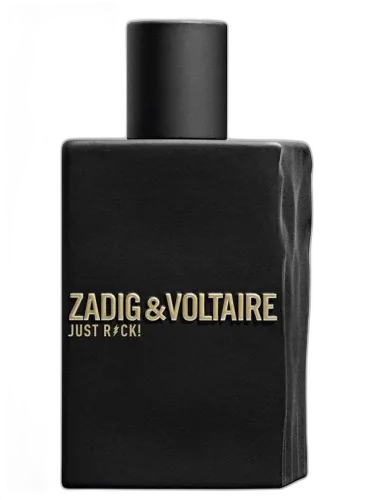
Zadig & Voltaire
Just Rock! For Him Zadig & Voltaire
Shared top notes: amber, patchouli, spices
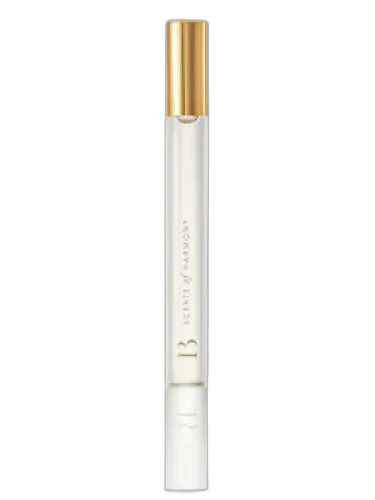
Biography Scents of Self
Scents Of Passion Biography Scents Of Self
Shared top notes: amber, patchouli, vanilla
West Third Brand
Voyage D'tabac West Third Brand
Shared top notes: amber, patchouli, tobacco leaf
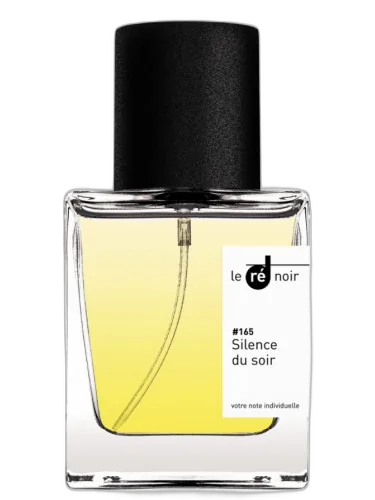
Le Ré Noir
#165 Silence Du Soir Le Ré Noir
Shared top notes: amber, patchouli, vanilla

TRNP
Meta Trnp
Shared top notes: amber, patchouli, vanilla