
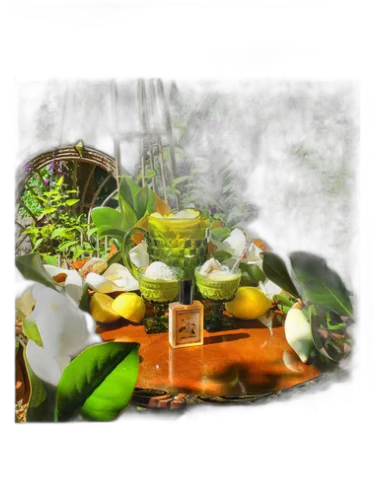

Solstice Magnolia Solstice Scents
At a glance
Is Solstice Magnolia Solstice Scents worth trying?
Solstice Magnolia by Solstice Scents is a Floral Fruity Gourmand fragrance for women and men.
- Best match
- Casual wear in Spring
- Performance feel
- Good longevity with Moderate sillage
- Signature profile
- floral, sweet, citrus with Magnolia, Lemon, Ice cream
The first impression
Solstice Magnolia by Solstice Scents is a Floral Fruity Gourmand fragrance for women and men. This is a new fragrance. The nose behind this fragrance is Angela St.John.
What shapes the scent
The perfumer behind it

Angela St.John
Angela St. John is the founder and creative force behind Solstice Scents, an independent perfume house known for its atmospheric and narrative-driven compositions. Her style blends natural and synthetic materials to evoke specific places, seasons, and moods, often with a dark, nostalgic, or gourmand bent. Notable creations from her catalog include the petrichor-laced After The Rain, the rich amber of Amber Coeur, and the woodland depth of Black Forest, each showcasing her talent for immersive storytelling through scent.
Notes pyramid
All Notes
Complete scent profile
 Magnolia
 Lemon
Lemon
 Ice cream
 Honeysuckle
 Quince
 Iced Tea
 Sugar
Sugar
 Sandalwood
 Cookie
The mood it creates
The Lover Archetype: Portrait of Solstice Magnolia Solstice Scents
Essence
Archetype: The Lover
At their core, this person is defined by the Lover archetype-a soul who seeks beauty, sensuality, and deep emotional resonance in all things. The fragrance Solstice Magnolia-with its lush, creamy florals, sun-warmed lemon, and a whisper of vanilla-mirrors their essence: intoxicating yet grounded, nostalgic yet alive in the present. The Lover does not merely exist; they experience, with an intensity that borders on the devotional.
Style & Aesthetic
Their tastes are an ode to the senses. They are drawn to textures that beg to be touched-soft linen, aged paper, the smooth curve of a porcelain teacup. Their wardrobe leans toward timeless elegance: flowing silhouettes, muted earth tones with the occasional bold flourish (a deep crimson scarf, a pair of amber earrings). They prefer the patina of well-loved things-antique books, handwritten letters, the faint crackle of vinyl records.
Philosophically, they believe in the sacredness of the ephemeral. A sunset, a shared glance, the scent of magnolias on a summer evening-these are not passing moments but fragments of eternity. They might quote Rilke or Mary Oliver in conversation, not out of pretension, but because poetry is their native tongue.
They thrive in environments that honor slowness and intention. A small apartment filled with plants and candlelight suits them better than a sterile modern loft. They cook not for efficiency but for alchemy-sautéing garlic in olive oil, grinding spices by hand, savoring the ritual as much as the meal.
Work must have meaning; they are ill-suited to corporate drudgery. They might be a curator, a perfumer, a therapist-any vocation that bridges beauty and human connection. Money matters less than the ability to live beautifully. Yet their shadow here is a quiet hedonism-a tendency to indulge in comforts (fine wine, expensive candles) as a balm for existential unease.
Relationships
To love is their vocation. They cherish intimacy, not as a possession but as an act of mutual revelation. Friends confide in them effortlessly; their presence is a sanctuary. Romantic partners are drawn to their warmth, their ability to make even ordinary moments feel enchanted-a picnic under an oak tree becomes a ritual, a shared bath a ceremony.
Yet here lies their shadow: the fear of abandonment. The Lover’s devotion can tip into neediness, their idealism into disillusionment when others fail to match their depth. They may cling to fading relationships, mistaking nostalgia for love, or grow resentful when their generosity is not reciprocated in kind. Their heart is a garden-lush, fertile, but vulnerable to storms.
Shadow
At their best, they are a beacon of tenderness in a world that often forgets to feel. They remind others that life is not merely to be endured but savored. At their worst, they risk becoming lost in their own sensitivities, mistaking melancholy for depth, or withdrawing when reality fails to meet their romantic ideals.
But even their flaws are born of an excess of virtue-their need for connection, their hunger for beauty. To know them is to understand that the Lover does not seek perfection, only presence: the fleeting, fragile, and infinitely precious act of being alive, together.
"They are the ones who weep at the scent of magnolias-not because they are sad, but because they know how to love a thing that will not last."
If you like this, try these
Fragrances with a comparable profile - shared accords, notes, and character.
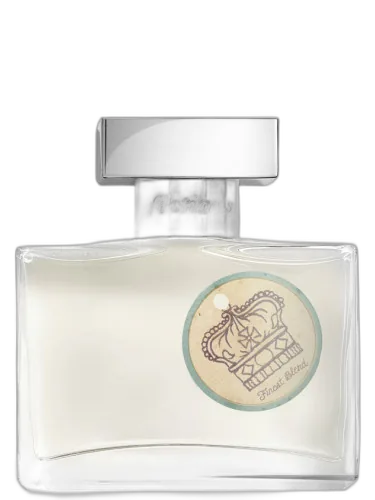
Anthropologie
London. She Knew He Was For-ever Anthropologie
Shared top notes: honeysuckle, magnolia
Trussardi
Trussardi Inside Delight Trussardi
Shared top notes: lemon, magnolia, quince
American Beauty
Wonderful American Beauty
Shared top notes: honeysuckle, magnolia
MDCI Parfums
Vepres Siciliennes Mdci Parfums
Shared top notes: magnolia
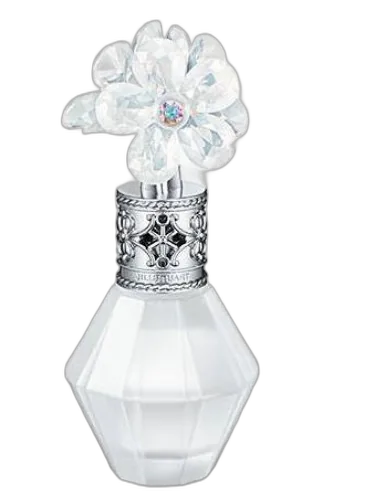
Jill Stuart
Crystal Bloom Snow Jill Stuart
Shared top notes: lemon