
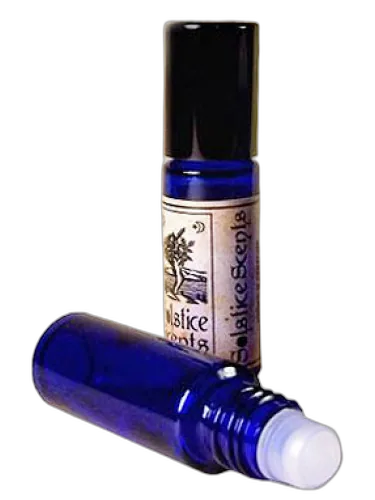

Sycamore Sugarworks Solstice Scents
At a glance
Is Sycamore Sugarworks Solstice Scents worth trying?
Sycamore Sugarworks by Solstice Scents is a fragrance for women and men.
- Best match
- Casual wear in Fall
- Performance feel
- Good longevity with Moderate sillage
- Signature profile
- sweet, fruity, woody with Pear, Spicy Notes, Maple
The first impression
Sycamore Sugarworks by Solstice Scents is a fragrance for women and men. The nose behind this fragrance is Angela St.John.
What shapes the scent
The perfumer behind it

Angela St.John
Angela St. John is the founder and creative force behind Solstice Scents, an independent perfume house known for its atmospheric and narrative-driven compositions. Her style blends natural and synthetic materials to evoke specific places, seasons, and moods, often with a dark, nostalgic, or gourmand bent. Notable creations from her catalog include the petrichor-laced After The Rain, the rich amber of Amber Coeur, and the woodland depth of Black Forest, each showcasing her talent for immersive storytelling through scent.
Notes pyramid
All Notes
Complete scent profile
 Pear
Pear
 Spicy Notes
 Maple
Maple
 Caramel
 Banana
 Apple
Apple
 Walnut
 Rum
Rum
 Cupcake
 Whipped Cream
The mood it creates
The Lover Archetype: Portrait of Sycamore Sugarworks Solstice Scents
Essence
This person is most closely aligned with the Alchemist-a seeker who transforms the mundane into the sacred, who finds magic in the ordinary. The fragrance Sycamore Sugarworks-warm, woody, and subtly sweet-evokes nostalgia, comfort, and a touch of mystery. Like the alchemist who turns lead into gold, this individual sees beauty in decay, sweetness in melancholy, and wisdom in solitude. They are drawn to the interplay of opposites: light and shadow, warmth and cold, memory and presence.
Style & Aesthetic
Their world is tactile, rich with textures and scents that evoke forgotten moments. They prefer natural materials-aged wood, worn leather, hand-thrown ceramics-objects that carry history. Their wardrobe leans toward earthy tones, layered fabrics, and subtle elegance, favoring pieces that feel lived-in rather than pristine. They might collect antique books, dried botanicals, or odd trinkets found in flea markets, each holding a story.
In art and music, they are drawn to the hauntingly beautiful-folk ballads, ambient soundscapes, impressionist paintings where light flickers through trees. They savor slow, deliberate pleasures: black tea in a chipped mug, the scent of rain on dry earth, the quiet hum of an old record player.
Their home is a sanctuary-cluttered but intentional, filled with soft light and the scent of aged paper, beeswax, and dried herbs. They thrive in slow rhythms: morning pages written in a leather-bound journal, evening walks where the world feels hushed and sacred. They may keep a garden, not for perfection but for the pleasure of tending to living things.
But their love of solitude can curdle into inertia. They may resist change, clinging to routines long after they cease to serve them. Their alchemy, when unbalanced, becomes stagnation-a refusal to engage with the messiness of growth.
Philosophy & Values
They believe in the alchemy of experience-that meaning is not given but forged through attention and reflection. Life, to them, is a series of small enchantments. They value depth over breadth, silence over noise, and authenticity over performance. Their spirituality, if they claim one, is intuitive rather than dogmatic-a private dialogue with the unseen.
Yet, their reverence for the past can border on escapism. They may romanticize bygone eras or lost loves, resisting the present’s demands. Their idealism can make them impatient with those who live superficially, leading to quiet disdain or withdrawal.
Relationships
They are not gregarious but form deep, lasting bonds with those who share their introspective nature. Their love language is one of quiet gestures-a handwritten note tucked into a book, a carefully chosen gift that speaks volumes. They are drawn to kindred spirits who understand solitude, who need no explanation when they retreat for days into their own world.
Yet, their shadow emerges in relationships as well. They may idealize partners or friends, only to withdraw when reality fails to match their vision. Their need for depth can make them intolerant of small talk, leaving them isolated. At worst, they become the hermit, mistaking solitude for wisdom and detachment for enlightenment.
Shadow
The Alchemist’s greatest flaw is their reluctance to step out of their own enchantment. When their introspection turns inward too deeply, they risk becoming lost in their own mythos-a solitary figure who mistakes withdrawal for transcendence. They may grow resentful of a world that does not share their reverence for the hidden, the quiet, the slow.
Yet, when balanced, they are the quiet magicians of daily life-those who remind us that beauty is not in grand gestures, but in the way light falls through a window, in the warmth of a familiar scent, in the alchemy of turning memory into meaning.
They are not saints, nor are they cynics. They are the ones who, by their very presence, make the ordinary feel like an incantation.
If you like this, try these
Fragrances with a comparable profile - shared accords, notes, and character.
4160 Tuesdays
Up The Apples & Pears 4160 Tuesdays
Shared top notes: apple, pear

Victoria's Secret
Love Spell Decadent Victoria's Secret
Shared top notes: pear

Jimmy Choo
Jimmy Choo Jimmy Choo
Shared top notes: pear

Khalil T.
Kiss Khalil T.
Shared top notes: apple, pear

O Boticário
Floratta Cerejeira Em Pétalas O Boticário
Shared top notes: apple, pear, spicy notes