

Victorian Tea Room Solstice Scents
At a glance
Is Victorian Tea Room Solstice Scents worth trying?
Victorian Tea Room by Solstice Scents is a Floral Fruity fragrance for women and men.
- Best match
- Casual wear in Fall
- Performance feel
- Good longevity with Moderate sillage
- Signature profile
- citrus, green, aromatic with Black Tea, Orange, Kumquat
The first impression
Victorian Tea Room by Solstice Scents is a Floral Fruity fragrance for women and men. The nose behind this fragrance is Angela St.John.
What shapes the scent
The perfumer behind it

Angela St.John
Angela St. John is the founder and creative force behind Solstice Scents, an independent perfume house known for its atmospheric and narrative-driven compositions. Her style blends natural and synthetic materials to evoke specific places, seasons, and moods, often with a dark, nostalgic, or gourmand bent. Notable creations from her catalog include the petrichor-laced After The Rain, the rich amber of Amber Coeur, and the woodland depth of Black Forest, each showcasing her talent for immersive storytelling through scent.
Notes pyramid
All Notes
Complete scent profile
Black Tea
 Orange
 Kumquat
 Chamomile
 Rose
Rose Geranium
Rose
Rose Geranium
 Palmarosa
 Amber
Amber
 Lemon
Lemon
 Vanilla
The mood it creates
The Sage Archetype: Portrait of Victorian Tea Room Solstice Scents
Essence
The person who cherishes Victorian Tea Room by Solstice Scents is, at their core, a Sage-an archetype defined by wisdom, introspection, and a deep appreciation for the past. They are drawn to the fragrance’s delicate balance of Earl Grey tea, lemon, and honeyed vanilla, a scent that evokes nostalgia, refinement, and quiet contemplation. Like the Sage, they seek knowledge not for power, but for the pleasure of understanding. Their mind is a library of impressions, memories, and carefully curated tastes.
Yet, the Sage is not merely a passive observer. They are a curator of meaning, sifting through history, philosophy, and aesthetics to construct a worldview that is both elegant and precise. Their love for this fragrance suggests a soul that finds beauty in subtlety, in the quiet hum of a teacup against a saucer, in the soft rustle of parchment.
Relationships
They are not a social butterfly, but neither are they a recluse. Their friendships are few but profound, built on shared intellectual passions and mutual respect for solitude. They prefer conversations that meander like old garden paths-discussions of forgotten poets, the symbolism in pre-Raphaelite paintings, the melancholy beauty of abandoned places.
Romantically, they seek a partner who understands their need for both connection and independence. They are not possessive, nor are they indifferent-they simply believe love should be as refined as the rest of their life. A lover who brings them a first edition of a favorite novel, who knows when to speak and when to listen, will earn their deepest devotion.
Shadow
Yet, the Sage is not without flaws. Their reverence for the past can slip into nostalgia so consuming it paralyzes them. They may romanticize bygone eras to the point of disengaging from the present, becoming a ghost in their own life. Their love of solitude, while nourishing, can harden into emotional detachment, leaving them stranded in their own mind.
There is also the danger of over-refinement-a fastidiousness that borders on elitism. They may dismiss modern pleasures as vulgar, forgetting that wisdom should expand, not constrict, the soul. The teacup they cherish may one day become a cage, its delicate walls too fragile to withstand the messiness of real life.
Conclusion
Their tastes are deliberate, almost ceremonial. They favor vintage aesthetics-lace gloves, well-worn books, porcelain teacups with hairline cracks that whisper of time’s passage. Their home is a sanctuary of order and warmth, where every object has been chosen with intention: a mahogany writing desk, a collection of pressed flowers, a shelf of leather-bound classics. They do not chase trends; they cultivate permanence.
Philosophically, they are drawn to stoicism and romanticism in equal measure. They understand that life is fleeting, yet they resist despair by anchoring themselves in rituals-morning tea, evening journaling, long walks through autumn leaves. They believe in the sacredness of small things, finding divinity in the steam rising from a cup, in the scent of aged paper, in the quiet companionship of a cat curled beside them.
If you like this, try these
Fragrances with a comparable profile - shared accords, notes, and character.

Olympic Orchids Artisan Perfumes
Siam Proun Olympic Orchids Artisan Perfumes
Shared top notes: amber, lemon, orange

Stella McCartney
Stella Stella Mccartney
Shared top notes: amber, rose

Tessa Williams
Dandelion Musk 4160 Tuesdays Tessa Williams
Shared top notes: chamomile, rose

One Diffusion
One Diffusion F-055 One Diffusion
Shared top notes: chamomile, lemon, orange
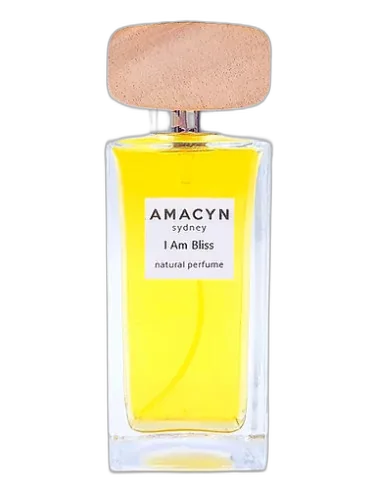
Amacyn
I Am Bliss Amacyn
Shared top notes: chamomile, lemon, palmarosa