


Winslow's Solstice Scents
Fragrance Story
Winslow's by Solstice Scents is a fragrance for women and men. The nose behind this fragrance is Angela St.John.
Composition Profile
About the Perfumer

Angela St.John
Angela St. John is the founder and creative force behind Solstice Scents, an independent perfume house known for its atmospheric and narrative-driven compositions. Her style blends natural and synthetic materials to evoke specific places, seasons, and moods, often with a dark, nostalgic, or gourmand bent. Notable creations from her catalog include the petrichor-laced After The Rain, the rich amber of Amber Coeur, and the woodland depth of Black Forest, each showcasing her talent for immersive storytelling through scent.
Fragrance Notes
All Notes
Complete scent profile
 Christmas Tree or Flame Tree
 Cloves
 Orange
 Mistletoe
 Myrica
Character Profile
The Lover Archetype: Portrait of Winslow's Solstice Scents
Essence
The person who cherishes Winslow’s Solstice Scents is, at their core, a Romantic-not in the trivial sense of sentimentality, but in the Jungian sense of one who seeks depth, beauty, and meaning in all things. This fragrance, with its blend of warmth, spice, and earthiness, speaks to someone who is drawn to the poetic undercurrents of life. They are intoxicated by the interplay of light and shadow, the fleeting moments of transcendence found in nature, art, and human connection.
Their philosophy is one of intensity over comfort-they would rather feel deeply, even painfully, than drift through existence untouched. They reject the mundane in favor of the extraordinary, whether in a perfectly aged wine, a haunting melody, or the scent of autumn leaves decaying into the earth.
Style & Aesthetic
Their tastes are refined but never ostentatious. They prefer the patina of time over sterile perfection-a well-worn leather-bound book, a vintage wool coat, a candlelit dinner in an old house with creaking floorboards. Their style is deliberate, blending classic and bohemian elements: tailored coats with flowing scarves, antique rings on weathered hands, a home filled with dried flowers and dark wood.
They are drawn to art that evokes longing-pre-Raphaelite paintings, Chopin nocturnes, the poetry of Rilke. They do not merely consume beauty; they cultivate it, surrounding themselves with objects and experiences that resonate with their inner world.
They live deliberately, rejecting the hurried pace of modernity. Mornings might begin with black coffee and handwritten letters; evenings with slow-cooked meals and vinyl records. They are drawn to places where time feels suspended-forests, old libraries, dimly lit cafés.
They are not afraid of solitude, yet they are not a hermit. Their life is a dance between immersion in the world and retreat into their inner sanctum. They understand that true richness comes not from accumulation, but from presence-the ability to savor each moment as if it were sacred.
Relationships
In love, they are both generous and demanding. They crave a connection that feels fated, a bond that transcends the ordinary. Their relationships are marked by deep emotional exchanges, intellectual sparring, and an almost mythic sense of devotion. Yet here lies their shadow: the Romantic’s hunger for intensity can slip into possessiveness. They may idealize their partner, only to resent them when reality fails to match the dream.
Their friendships are few but profound. They despise small talk, preferring conversations that stretch into the night, fueled by wine and existential musings. They attract kindred spirits-artists, wanderers, melancholics-but their intensity can also alienate those who prefer the shallows.
Shadow
The Romantic’s greatest strength-their capacity for depth-is also their greatest peril. When their ideals are unmet, they risk falling into melancholy, a brooding dissatisfaction with the world as it is. They may romanticize suffering, mistaking their own unhappiness for profundity. At their worst, they become the tragic figure, forever chasing an unattainable vision of life.
Yet, when balanced, their idealism is not weakness but a form of courage. They refuse to accept a life devoid of meaning, and in this refusal, they inspire others to seek more than mere existence.
Conclusion
The lover of Winslow’s Solstice Scents is, above all, a seeker-one who walks the line between ecstasy and sorrow, always in pursuit of the sublime. They are flawed, yes, prone to excesses of emotion and idealism. But in a world that often favors the superficial, their refusal to settle for anything less than depth is a quiet rebellion.
They are the ones who remind us that life is not merely to be lived, but to be felt-in all its beauty, all its pain, all its fleeting, intoxicating glory.
Similar Fragrances
Fragrances with a comparable profile - shared accords, notes, and character.
Solstice Scents
Winslow's Solstice Scents
Shared accords: aromatic, citrus, floral
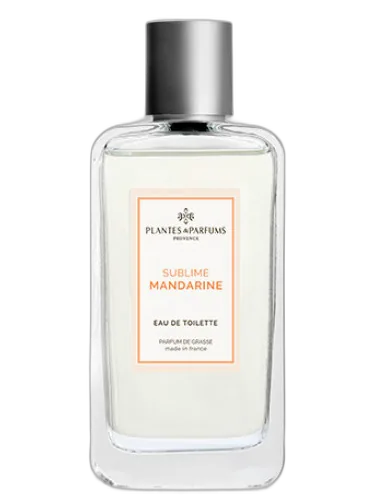
Plantes & Parfums
Sublime Mandarine Plantes & Parfums
Shared accords: aromatic, citrus, floral
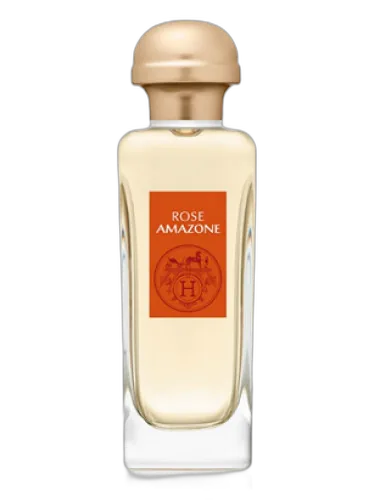
Hermès
Rose Amazone Hermès
Shared accords: aromatic, citrus, floral

Momiji
Angel's Tea Momiji
Shared accords: aromatic, citrus, fresh spicy

Dzintars
Jūrmala 5 Dzintars
Shared accords: aromatic, citrus, floral