


Wolf Spirit Solstice Scents
At a glance
Is Wolf Spirit Solstice Scents worth trying?
Wolf Spirit by Solstice Scents is a fragrance for women and men.
- Best match
- Casual wear in Fall
- Performance feel
- Good longevity with Moderate sillage
- Signature profile
- woody, aromatic, amber with Palo Santo, Spruce, Olibanum
The first impression
Wolf Spirit by Solstice Scents is a fragrance for women and men. The nose behind this fragrance is Angela St.John.
What shapes the scent
The perfumer behind it

Angela St.John
Angela St. John is the founder and creative force behind Solstice Scents, an independent perfume house known for its atmospheric and narrative-driven compositions. Her style blends natural and synthetic materials to evoke specific places, seasons, and moods, often with a dark, nostalgic, or gourmand bent. Notable creations from her catalog include the petrichor-laced After The Rain, the rich amber of Amber Coeur, and the woodland depth of Black Forest, each showcasing her talent for immersive storytelling through scent.
Notes pyramid
All Notes
Complete scent profile
 Palo Santo
 Spruce
Olibanum
Spruce
Olibanum
 Copal
Pine
Copal
Pine
 Incense
 Juniper
 Muhuhu
 Vetiver
 Cedar
Cedar
The mood it creates
The Sage Archetype: Portrait of Wolf Spirit Solstice Scents
Essence
To wear Wolf Spirit by Solstice Scents is to embrace the untamed duality of nature-both its serene wisdom and its primal ferocity. This fragrance, with its blend of desert sage, sandalwood, and juniper, evokes a soul who walks the liminal space between civilization and wilderness. The archetype that most defines this person is the Wild Sage-a figure who embodies instinctive wisdom, independence, and a deep connection to the unseen currents of life.
The Wild Sage is not merely a wanderer but a seeker of hidden truths. They are drawn to solitude, not out of misanthropy, but because silence sharpens their intuition. Their mind is a landscape of contemplation, where thoughts move like wind over stone-slowly shaping, eroding, revealing. They value authenticity above all else, despising pretense and hollow social rituals. Their philosophy is rooted in the belief that wisdom comes not from books alone, but from direct experience-from the sting of cold air at dawn, the scent of dry earth after rain, the quiet pulse of their own instincts.
Their style reflects this inner wilderness. They favor natural textures-rough linen, worn leather, unpolished wood-and their aesthetic leans toward the raw and unadorned. Jewelry, if worn at all, is simple: a silver ring, a bone pendant, something that carries meaning rather than ornamentation. Their home is a sanctuary of minimalism, filled with books, dried herbs, and objects gathered from travels-each one a relic of a moment, not a decoration.
Shadow
Yet, the Wild Sage’s strength is also their weakness. Their self-sufficiency can harden into isolation, their independence into stubbornness. They may dismiss others too quickly, mistaking their own instincts for infallible truth. Their disdain for conformity can curdle into contempt for those who live more conventional lives-a hypocrisy, given that they still depend on society in ways they refuse to acknowledge.
Their greatest fear is domestication-of being tamed, controlled, or absorbed by the expectations of others. This can make them restless, unable to settle even when stability would serve them. They may sabotage relationships or opportunities out of an exaggerated need to preserve their autonomy.
At their worst, they become the Hermit Who Forgot the World-a figure so lost in their own mind that they forget how to connect. Their wisdom turns inward, rotting into self-absorption. They may grow bitter, seeing others as shallow or weak, when in truth, their solitude has simply made them rigid.
Conclusion
The Wild Sage thrives on self-reliance. They trust their intuition implicitly, often sensing truths before they are spoken. This makes them exceptional judges of character-they see through masks effortlessly. Their independence is not cold detachment but a disciplined refusal to be swayed by herd mentality. They choose their companions carefully, forming deep but few bonds.
Their wisdom is practical, not abstract. They are the kind of person who can navigate a forest by instinct, fix things with their hands, or offer advice that cuts straight to the heart of a problem. They value freedom-not as mere rebellion, but as the right to live in alignment with their nature. They are drawn to disciplines that require patience and solitude: writing, herbalism, woodcraft, meditation.
In relationships, they are fiercely loyal but demand space. They do not cling, nor do they tolerate being confined. Their love is quiet but enduring-expressed in actions rather than words. They are the steady hand in a crisis, the one who remains calm when others panic.
If you like this, try these
Fragrances with a comparable profile - shared accords, notes, and character.
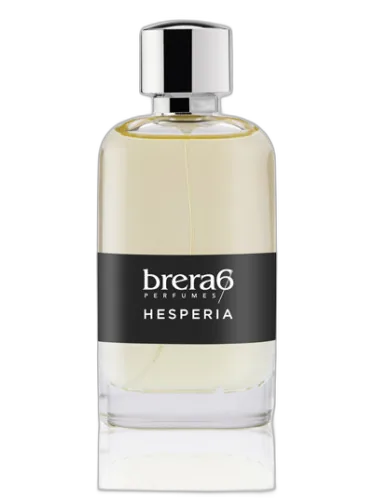
Brera6 Perfumes
Hesperia Brera6 Perfumes
Shared top notes: cedar, incense
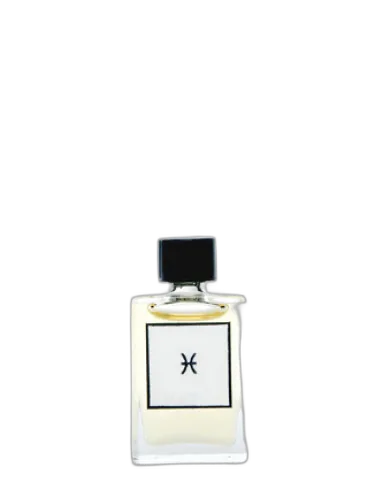
Hendley Perfumes
Tama Hendley Perfumes
Shared top notes: cedar, olibanum
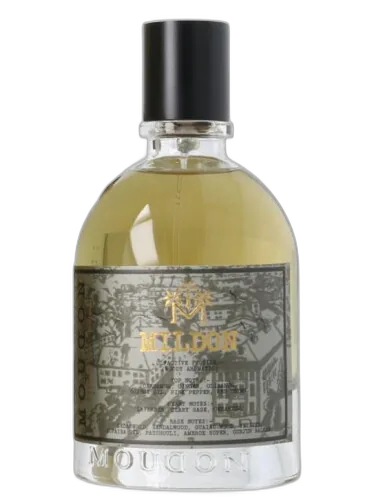
Moudon
Mildon Moudon
Shared top notes: olibanum
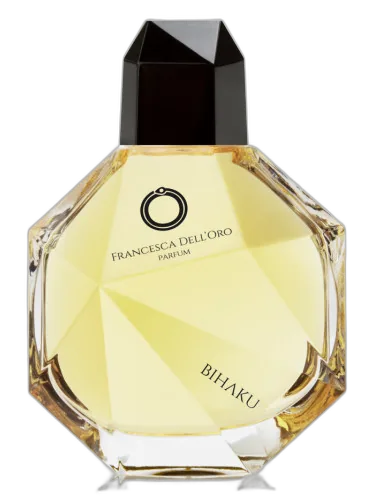
Francesca dell'Oro
Bihaku Francesca Dell'oro
Shared top notes: incense, juniper
Ava Luxe
Incense Ava Luxe
Shared top notes: copal, olibanum