


Orchidée Rouge Eau De Parfum Sora Dora
Fragrance Story
Orchidée Rouge Eau de Parfum by Sora Dora is a fragrance for women and men. This is a new fragrance. Orchidée Rouge Eau de Parfum was launched in 2024. Orchidée Rouge Eau de Parfum was created by Amelie Bourgeois, Anne-Sophie Behaghel and Camille Chemardin.
Composition Profile
About the Perfumer

Amelie Bourgeois
Amelie Bourgeois is a French perfumer known for her work with the niche houses Aether and Alexandre.J. Her style blends experimental, synthetic accords with natural elements, often exploring contrasts like citrus and musk or rose and alkanes. She created the Aether Oxyde and Carboneum compositions, as well as Alexandre.J’s Mandarine Sultane and Passion Bliss.
Fragrance Notes
All Notes
Complete scent profile
 Rum
Rum
 Ceylon Cinnamon
 Caramel
 Orange
elemi
Orange
elemi
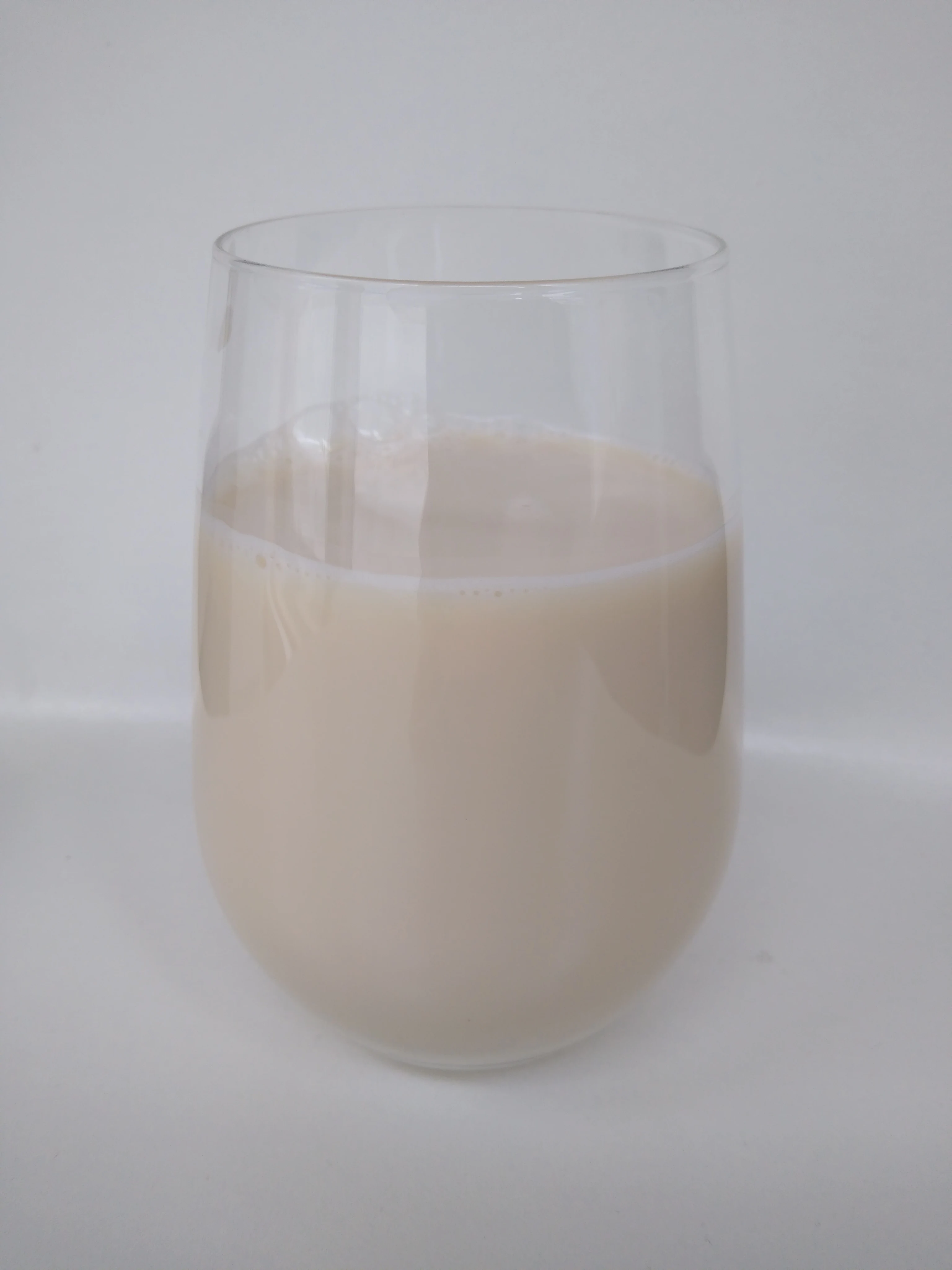 Almond Milk
Ylang Ylang
Almond Milk
Ylang Ylang
 Heliotrope
 Bergamot
 Vanilla
 Benzoin
Flowers
Benzoin
Flowers
Orchidée Rouge Eau De Parfum Sora Dora by Sora Dora offers a distinctive olfactory experience that stands out from other fragrances in its category.
Crafted with the finest ingredients and a blend of traditional and modern perfumery techniques, this fragrance represents the pinnacle of the perfumer's art.
Orchidée Rouge Eau De Parfum Sora Dora embodies the distinctive style of Sora Dora while adding a unique chapter to their fragrance portfolio.
Character Profile
The Lover Archetype: Portrait of Orchidée Rouge Eau De Parfum Sora Dora
Essence
Orchidée Rouge Eau de Parfum by Sora Dora is a fragrance of contrasts-deep, velvety florals with a hint of spice, warmth, and mystery. It is not a scent for the timid; it lingers, demanding attention without overt declaration. The person who chooses this fragrance is drawn to intensity, to the interplay of shadow and light in both scent and soul. They are not merely sensual but deeply attuned to the aesthetics of emotion, the poetry of experience.
At their core, they are defined by the Lover archetype, though not in the simplistic sense of mere romanticism. Their love is a force-an all-encompassing devotion to beauty, connection, and the visceral thrill of existence. They seek to merge with the world, to dissolve boundaries between self and experience. Pleasure, for them, is not indulgence but a sacred act-a way of touching the sublime.
Yet, like all archetypes, the Lover has its shadow. When unbalanced, they may slip into excess-hedonism, possessiveness, or an inability to endure the mundane. Their passion, if unchecked, can become obsession; their devotion, a cage.
Style & Aesthetic
Their tastes are refined but never sterile. They prefer the richness of dark reds, the texture of velvet, the weight of gold against skin. Their home is a sanctuary of curated beauty-antique mirrors, fresh orchids, the faintest trace of incense. They read poetry not for intellectual exercise but for the way it makes their pulse quicken. Music is not background noise but a living thing-they listen to Chopin or Nina Simone and feel it in their bones.
Philosophically, they reject asceticism. To deny pleasure is, to them, a kind of self-betrayal. They believe in the holiness of touch, the divinity of a shared glance. Yet they are not naive-they know that beauty is fleeting, and this knowledge gives their joy a bittersweet edge.
Relationships
In love, they are both generous and demanding. They do not seek superficial connections; they crave depth, intensity, the kind of bond that leaves marks. Their partners are often artists, dreamers, or those who understand that love is not a transaction but an act of mutual surrender.
Yet their shadow emerges here-they can be possessive, jealous of attention diverted from them. Their need for emotional intensity can exhaust those who prefer steadiness. When wounded, they retreat into melodrama, turning love into a performance rather than a truth.
Shadow
Their greatest flaw is their refusal of moderation. They fear boredom more than chaos, and so they court extremes-too much wine, too many lovers, too many midnights lost in thought. Their disdain for the ordinary can make them restless, unable to appreciate the quiet moments that sustain a life.
At their worst, they become the Addict, mistaking sensation for meaning. They may grow manipulative, using charm as a weapon, or melancholic, mourning a beauty they believe is always just out of reach.
Conclusion
When in harmony, they are magnetic-a person who reminds others that to feel deeply is not weakness but courage. They teach by example that love, in all its forms, is worth the risk. Their life is not one of mere pleasure, but of meaning through sensation, of philosophy lived rather than debated.
They will always walk the edge between ecstasy and despair, but if they learn to embrace both, they become not just a lover of beauty, but beauty itself-imperfect, fleeting, and utterly alive.
Similar Fragrances
Fragrances with a comparable profile - shared accords, notes, and character.

Nina Ricci
Les Belles De Ricci Delice D'epices Nina Ricci
Shared accords: aromatic, cinnamon, citrus

Eau D'Italie
Baume Du Doge Eau D'italie
Shared accords: aromatic, cinnamon, citrus
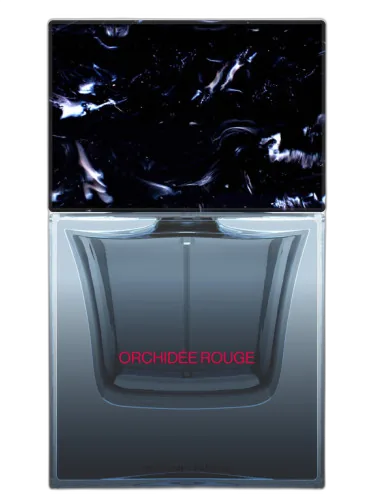
Sora Dora
Orchidée Rouge Sora Dora
Shared accords: aromatic, caramel, citrus

O'Driu
Laurhum O'driu
Shared accords: aromatic, cinnamon, citrus
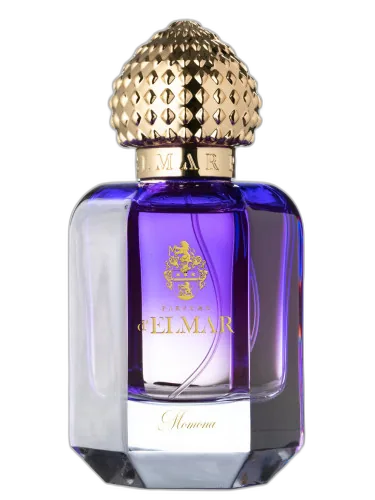
Parfums d'Elmar
Momona Parfums D'elmar
Shared accords: caramel, cinnamon, citrus