


3d Sul Duomo Step Aboard
At a glance
Is 3d Sul Duomo Step Aboard worth trying?
3D Sul Duomo by Step Aboard is a Woody Spicy fragrance for women and men.
- Best match
- Casual wear in Spring
- Performance feel
- Moderate longevity with Moderate sillage
- Signature profile
- fresh spicy, aromatic, woody with Bergamot, Rosemary, Metallic notes
The first impression
3D Sul Duomo by Step Aboard is a Woody Spicy fragrance for women and men. 3D Sul Duomo was launched in 2018. The nose behind this fragrance is Bertrand Duchaufour. Top notes are Bergamot and Rosemary; middle note is Metallic notes; base notes are Amberwood and Black Pepper.
What shapes the scent
The perfumer behind it

Bertrand Duchaufour
Bertrand Duchaufour is a renowned French perfumer with a prolific career spanning many brands. He has created fragrances for Acqua di Parma, including Blu Mediterraneo - Cipresso Di Toscana and Colonia Assoluta, as well as for Aedes de Venustas, such as Café Tabac and Copal Azur. His style is known for its complexity and use of natural ingredients.
Notes pyramid
Top Notes
First impression · 15-30 min
 Bergamot
 Rosemary
Heart Notes
Core character · 2-4 hours
 Metallic notes
Base Notes
Lasting impression · 4+ hours
 Amberwood
Black Pepper
Amberwood
Black Pepper
The mood it creates
The Explorer Archetype: Portrait of 3d Sul Duomo Step Aboard
Essence
To wear 3d Sul Duomo Step Aboard is to carry the essence of movement, of thresholds crossed and horizons ever-receding. This fragrance-spiced, woody, subtly maritime-does not belong to those who settle. It belongs to the one who steps onto the train without a fixed destination, who finds comfort in the unknown, who measures life not in possessions but in experiences. Their archetype is unmistakable: The Explorer.
Shadow
Yet the Explorer’s strength is also their flaw. Their relentless motion can become evasion-a refusal to face the deeper wounds that no change of scenery can heal. They mistake movement for growth, novelty for meaning. When boredom strikes (and it always does), they leave-jobs, lovers, cities-before true depth can form.
Their independence, so fiercely guarded, can become isolation. They pride themselves on self-sufficiency, but secretly fear that if they stop moving, they will disappear. The irony is that in seeking everywhere, they risk belonging nowhere. The people they leave behind remember them vividly but wonder if they were ever truly known.
Conclusion
This person is not bound by convention. Their tastes are eclectic, drawn from the edges of cultures, the hidden corners of cities, the fleeting impressions of foreign streets. They might favor minimalist clothing with a single striking detail-a scarf from Istanbul, boots worn from mountain trails-because utility and memory matter more than fashion. Their home, if they have one, is a carefully curated museum of artifacts: a Japanese tea set, a Moroccan lantern, a stack of well-traveled books.
Philosophy is not an abstract discipline for them; it is lived. They believe in the fluidity of identity, in reinvention, in the idea that one becomes by doing. Routine is a cage, predictability a slow death. They value freedom above all-not as mere license, but as the sacred right to seek, to question, to refuse stagnation.
If you like this, try these
Fragrances with a comparable profile - shared accords, notes, and character.

Jil Sander
Sun Men Jil Sander
Shared top notes: bergamot, rosemary

Mercedes-Benz
Amg Silver Thrill Mercedes-benz
Shared top notes: bergamot
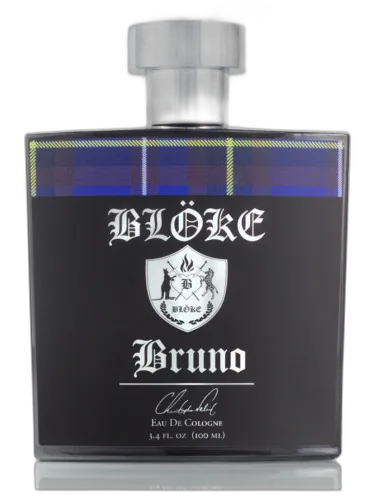
Blöke
Bruno Blöke
Shared top notes: bergamot
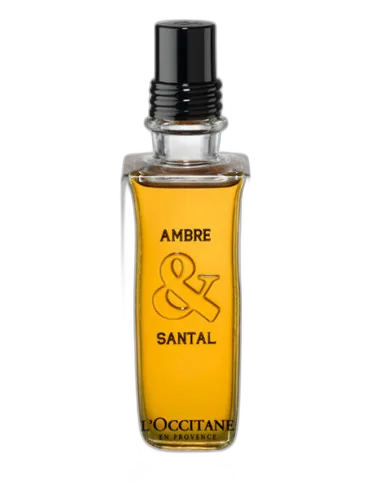
L'Occitane en Provence
Ambre & Santal L'occitane En Provence
Shared top notes: bergamot, rosemary

Blocki
Press Club Blocki
Shared top notes: bergamot, rosemary