
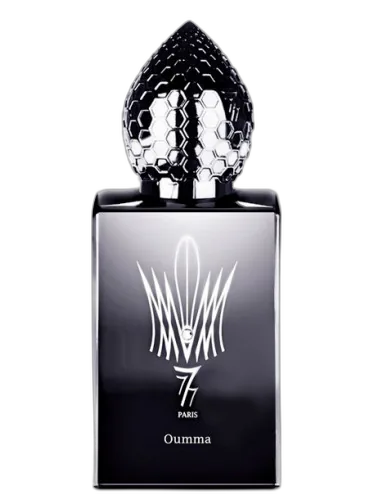
Oumma Stéphane Humbert Lucas 777
At a glance
Is Oumma Stéphane Humbert Lucas 777 worth trying?
Oumma by Stéphane Humbert Lucas 777 is a Oriental Woody fragrance for women and men.
- Best match
- Evening, Special Occasion wear in Fall, Winter
- Zodiac
- Best for Scorpio
- Performance feel
- Very Good longevity with Strong sillage
- Signature profile
- amber, balsamic, oud with Moroccan Rose, Bulgarian Rose, Grasse Rose
The first impression
Oumma by Stéphane Humbert Lucas 777 is a Oriental Woody fragrance for women and men. Oumma was launched in 2013. The nose behind this fragrance is Stéphane Humbert Lucas. Top notes are Moroccan Rose, Bulgarian Rose, Grasse Rose and Egyptian Jasmine; middle notes are Tolu Balsam and Peru Balsam; base notes are Agarwood (Oud), Cypriol Oil or Nagarmotha and Cade oil.
What shapes the scent
The perfumer behind it

Stéphane Humbert Lucas
Stéphane Humbert Lucas is a French perfumer and founder of the SoOud brand. He has created numerous fragrances for SoOud, including Aabir D'or, Al Jana, and Asmar, often featuring rich oriental and gourmand accords. For Nez a Nez, he composed Hiroshima Mon Amour, a poetic floral scent. His work is known for its depth and storytelling through scent.
Notes pyramid
Top Notes
First impression · 15-30 min
 Moroccan Rose
Bulgarian Rose
Grasse Rose
Egyptian Jasmine
Moroccan Rose
Bulgarian Rose
Grasse Rose
Egyptian Jasmine
Heart Notes
Core character · 2-4 hours
 Tolu Balsam
 Peru Balsam
Base Notes
Lasting impression · 4+ hours
 Agarwood (Oud)
 Cypriol Oil or Nagarmotha
 Cade oil
The mood it creates
The Mystic Archetype: Portrait of Oumma Stéphane Humbert Lucas 777
Essence
Oumma embodies the Mystic archetype, a seeker of hidden truths and transcendental experiences. The fragrance's trinity of roses-Moroccan, Bulgarian, and Grasse-blended with Egyptian jasmine, suggests a sacred geometry of floral devotion. Its balsamic heart and oud base evoke ancient rituals, as if the wearer carries the wisdom of forgotten temples in their aura.
This is a scent for those who commune with the unseen. The interplay of warm spices, earthy oud, and powdery florals creates a veil between worlds, inviting contemplation of life's deeper mysteries.
Style & Aesthetic
They favor flowing fabrics in deep burgundies and golds, with intricate embroidery that hints at esoteric symbolism. Their accessories often feature talismanic designs-rings with cryptic engravings, pendants holding rare resins. Every garment feels like part of a ceremonial wardrobe, even in contemporary settings.
Their living spaces blend modern minimalism with antique curiosities: a 19th-century apothecary chest here, a geometric altar there. Candles are always burning, casting shadows that dance across walls lined with leather-bound books.
Philosophy & Values
They believe scent is the purest form of prayer. For them, perfumery isn't vanity but votive-each application a mindful act of devotion. They're drawn to traditions where fragrance bridges mortal and divine, seeing parallels between Egyptian temple rites and modern niche perfumery.
Patience is their virtue. They understand that true depth, like the aging of oud, requires time. Their values orbit around authenticity-they'd rather wear one meaningful scent than chase trends.
Relationships
They attract kindred spirits through scent alone-strangers in cafes will ask what they're wearing with unusual frequency. Their romantic partners often share their spiritual curiosity, though few can match their intensity. They prefer relationships that feel fated, with connections that seem to echo across lifetimes.
In friendships, they're the confidant who listens more than speaks, offering insights that arrive like sudden breezes. Their presence has a grounding effect, making others feel witnessed in rare ways.
Lifestyle
Dawn and dusk are their sacred hours, when they meditate with incense that complements their perfume. They might keep a journal of scent dreams or study perfumery as a contemplative practice. Travel for them means pilgrimages to rose harvests in Bulgaria or oud distilleries in the Middle East.
Their daily rituals border on ceremonial-applying fragrance with deliberate strokes, choosing oils based on lunar cycles. Even their tea brewing becomes alchemy, with petals floating like offerings in porcelain cups.
Shadow
Their mysticism can tip into escapism, using scent as a shield against mundane realities. At worst, they might neglect practical matters, lost in aromatic reveries. Their high standards for authenticity may become elitism, dismissing mainstream fragrances as spiritually bankrupt.
There's also the risk of becoming overly self-contained-their rich inner world sometimes walls them off from simpler human connections. The very depth they cherish can become isolating.
Conclusion
Oumma is for those who wear fragrance as armor and invitation-protection against spiritual superficiality, beckoning to fellow travelers. Like the Mystic who finds the universe in a drop of rose oil, they transform daily life into sacred encounter through scent. This fragrance doesn't merely linger; it consecrates.
If you like this, try these
Fragrances with a comparable profile - shared accords, notes, and character.
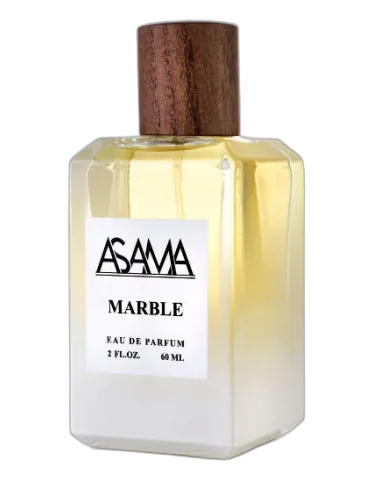
ASAMA Perfumes
Marble Asama Perfumes
Shared heart notes: tolu balsam
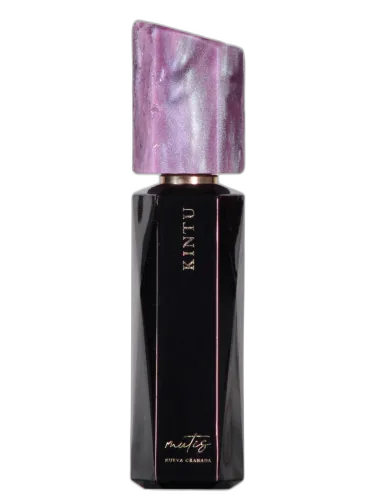
Mutis Nueva Granada
Kintu Mutis Nueva Granada
Shared heart notes: peru balsam, tolu balsam
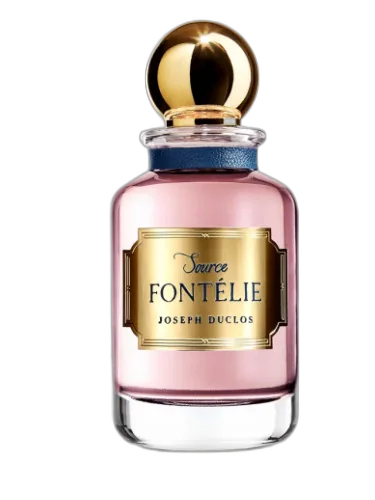
Joseph Duclos
Source Fontélie Joseph Duclos
Shared base notes: agarwood (oud), cypriol oil or nagarmotha
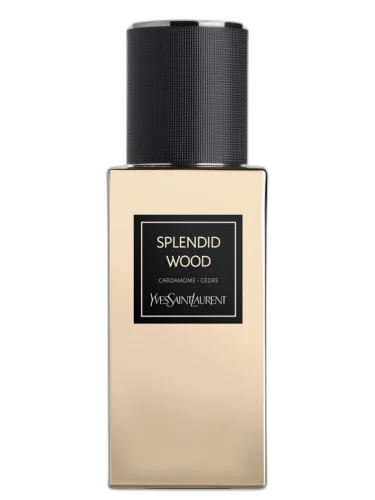
Yves Saint Laurent
Splendid Wood (le Vestiaire Des Parfums) Yves Saint Laurent
Shared base notes: agarwood (oud), cypriol oil or nagarmotha

Pierre Guillaume Paris
Isparta 26 Pierre Guillaume Paris
Shared heart notes: peru balsam