
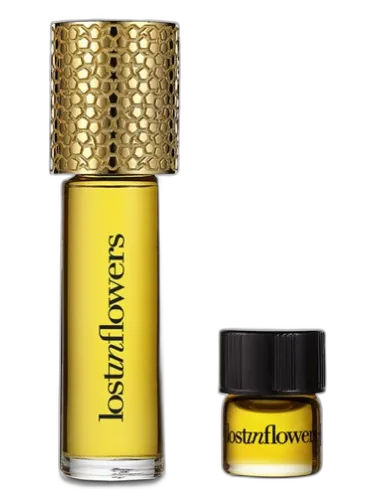

Lost In Flowers Oil Strangelove Nyc
At a glance
Is Lost In Flowers Oil Strangelove Nyc worth trying?
Lost In Flowers Oil by Strangelove NYC is a Oriental Floral fragrance for women and men.
- Best match
- Evening, Special Occasion wear in Fall, Winter
- Performance feel
- Very Good longevity with Strong sillage
- Signature profile
- white floral, floral, sweet with Marigold, Champaca, Lily-of-the-Valley
The first impression
Lost In Flowers Oil by Strangelove NYC is a Oriental Floral fragrance for women and men. Lost In Flowers Oil was launched in 2017. The nose behind this fragrance is Christophe Laudamiel.
What shapes the scent
The perfumer behind it

Christophe Laudamiel
Christophe Laudamiel is a French perfumer known for his work with brands like Estée Lauder, Clinique, and Grandiflora. He created Pure White Linen Pink Coral and Youth-dew Amber Nude, as well as Clinique Happy Heart. His portfolio also includes niche creations like Grandiflora Saskia and Lazarus Douvos Rose 1845, showcasing his versatility.
Notes pyramid
All Notes
Complete scent profile
 Marigold
 Champaca
 Lily-of-the-Valley
 Gardenia
 Agarwood (Oud)
 Saffron
The mood it creates
The Mystic Archetype: Portrait of Lost In Flowers Oil Strangelove Nyc
Essence
The Mystic is the archetype of transcendence, intuition, and the sacred. They are seekers of hidden truths, drawn to the liminal spaces between the material and the spiritual. Lost In Flowers Oil by Strangelove NYC is a fragrance that embodies this archetype in its most intoxicating form: a dense, hypnotic blend of white florals-marigold, champaca, lily-of-the-valley, gardenia-intertwined with the smoky, resinous depth of agarwood (oud) and saffron. It is a scent that feels both ancient and otherworldly, like incense in a temple or the perfume of a night-blooming garden.
Style & Aesthetic
The Mystic’s style is eclectic, layered, and deeply personal. They are drawn to textures and colors that evoke the sacred: deep indigos, burnt oranges, earthy browns, and gold. Their wardrobe includes flowing robes, handwoven shawls, and jewelry made of natural stones-amethyst, lapis lazuli, moonstone. They might wear a piece of antique silk or a modern minimalist tunic; the key is intention. Their aesthetic is not about trends but about resonance. They choose objects that feel charged with meaning, and their presence is often described as serene, magnetic, or otherworldly.
Philosophy & Values
The Mystic believes that reality is layered, and that the visible world is only a thin veil over a deeper, more profound truth. They value intuition over logic, mystery over certainty, and the journey over the destination. Their philosophy is one of surrender to the unknown-they trust that the universe is guiding them, even when the path is unclear. They are drawn to practices like meditation, dreamwork, and ritual. They believe that everything is connected, and that the sacred can be found in the ordinary if one has the eyes to see.
Relationships
The Mystic’s relationships are deep but often unconventional. They are drawn to others who are also seekers-artists, healers, philosophers. They value soul connections over social ones, and they are not interested in small talk. In love, they seek a partner who understands their need for solitude and their occasional detachment. They are loyal, but their loyalty is to the truth of the connection, not to social expectations. They may have a small, intimate circle of friends who share their spiritual interests, and they are often seen as a source of wisdom and calm.
Lifestyle
The Mystic’s life is structured around ritual and reflection. They wake early to meditate, burn incense, and journal. Their home is a sanctuary: filled with plants, crystals, books on philosophy and mysticism, and objects from their travels. They are drawn to nature-forests, deserts, mountains-and often seek solitude in wild places. They practice yoga, breathwork, or other embodied spiritual practices. Their daily life is a series of small ceremonies: a cup of tea brewed with intention, a walk taken as a pilgrimage, a moment of gratitude before sleep.
Shadow
The Mystic’s shadow is a tendency toward escapism and spiritual bypassing. They may use spirituality to avoid the messiness of ordinary life, retreating into abstraction rather than engaging with the world. Their detachment can become disconnection, and their search for meaning can lead to a sense of rootlessness. They may struggle with grounding, with practical matters, and with the demands of relationships. The shadow of the Mystic is the belief that the material world is an illusion to be escaped, rather than a sacred realm to be fully inhabited.
Conclusion
Lost In Flowers Oil is the fragrance of the Mystic’s soul-a dense, floral, and resinous scent that speaks of hidden depths and sacred mysteries. It is for those who are not afraid to lose themselves in the unknown, who seek the divine in the scent of a flower or the smoke of incense. To wear it is to walk between worlds, to honor the invisible, and to trust that the greatest truths are found not in answers, but in the questions themselves.
If you like this, try these
Fragrances with a comparable profile - shared accords, notes, and character.
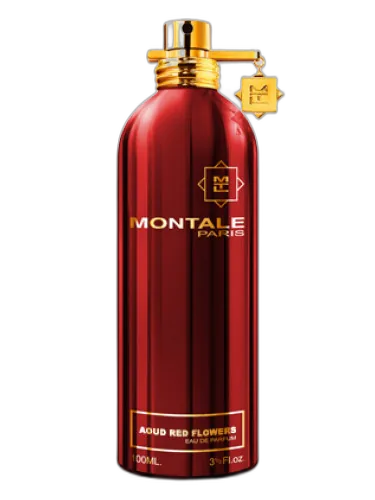
Montale
Aoud Red Flowers Montale
Shared top notes: agarwood (oud), marigold, saffron

Nishane
Vjola Nishane
Shared top notes: lily-of-the-valley, marigold
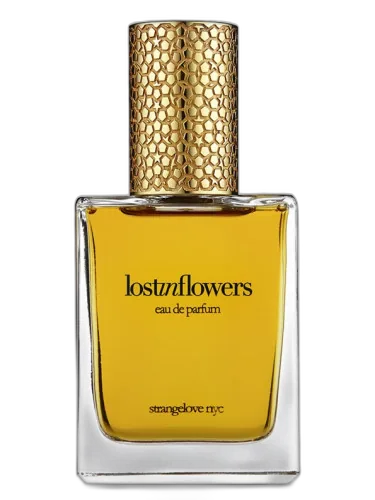
Strangelove NYC
Lost In Flowers Strangelove Nyc
Shared top notes: lily-of-the-valley, marigold
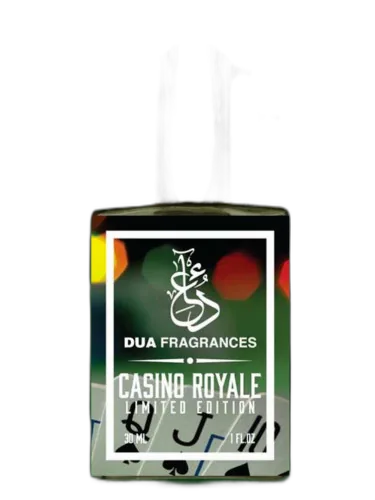
The Dua Brand
Casino Royale The Dua Brand
Shared top notes: marigold, saffron
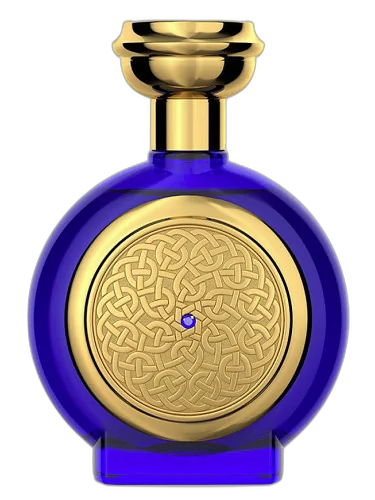
Boadicea the Victorious
Blue Sapphire Boadicea The Victorious
Shared top notes: marigold, saffron