
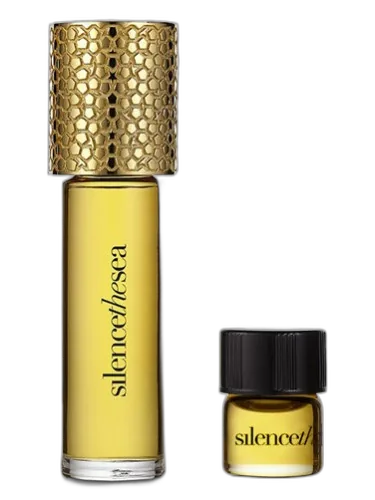

Silence The Sea Oil Strangelove Nyc
At a glance
Is Silence The Sea Oil Strangelove Nyc worth trying?
Silence The Sea Oil by Strangelove NYC is a Oriental Floral fragrance for women and men.
- Best match
- Evening, Special Occasion wear in Fall, Winter
- Performance feel
- Very Good longevity with Moderate sillage
- Signature profile
- amber, animalic, earthy with Ambergris, Truffle, Agarwood (Oud)
The first impression
Silence The Sea Oil by Strangelove NYC is a Oriental Floral fragrance for women and men. The nose behind this fragrance is Christophe Laudamiel.
What shapes the scent
The perfumer behind it

Christophe Laudamiel
Christophe Laudamiel is a French perfumer known for his work with brands like Estée Lauder, Clinique, and Grandiflora. He created Pure White Linen Pink Coral and Youth-dew Amber Nude, as well as Clinique Happy Heart. His portfolio also includes niche creations like Grandiflora Saskia and Lazarus Douvos Rose 1845, showcasing his versatility.
Notes pyramid
All Notes
Complete scent profile
 Ambergris
 Truffle
 Agarwood (Oud)
 Angelica
 Jasmine
 Tuberose
The mood it creates
The Mystic Archetype: Portrait of Silence The Sea Oil Strangelove Nyc
Essence
The Mystic dwells in the liminal space between worlds, where silence speaks louder than words. This archetype is drawn to the unknown, the hidden, and the sacred. Silence The Sea Oil embodies this journey into the depths: its ambergris and truffle evoke the ocean’s ancient, salty breath, while agarwood (oud) and angelica root conjure the dark, fertile earth of a forgotten temple. The jasmine and tuberose bloom like ghostly flowers in the abyss, their sweetness a fleeting whisper. This is not a fragrance for the surface; it is an invocation of the soul’s submerged chambers, a scent that asks you to listen to the quiet.
Style & Aesthetic
The Mystic’s wardrobe is a study in textures and shadows: raw silk, weathered linen, and hand-dyed indigo. They favor garments that drape like water, with asymmetrical cuts and hidden pockets. Their aesthetic is monastic yet opulent-a single heavy silver ring, a shawl woven with prayer beads, or a coat that smells of incense and salt. They are drawn to the patina of age: antique furniture, cracked leather journals, and stones smoothed by the sea. Their home is a sanctuary of collected curiosities-a dried starfish, a fossil, a vial of sandalwood oil. They move through the world as if in a trance, their presence a quiet invitation to pause and breathe.
Philosophy & Values
For the Mystic, truth is not found in words but in the spaces between them. They value silence as a form of wisdom, solitude as a path to clarity. They believe in the interconnectedness of all things-the mineral, the animal, the floral-and seek to honor that web through ritual and reverence. Their philosophy is one of surrender: they do not force meaning but allow it to emerge from the depths. They are drawn to paradox-the union of decay and bloom, of salt and sweetness-and find beauty in the transitory. Their core value is authenticity, not as a fixed identity but as a fluid, evolving essence that can only be felt, not named.
Relationships
The Mystic’s relationships are intense but rare. They do not collect acquaintances; they seek soul connections that transcend small talk. They are drawn to fellow seekers-artists, healers, wanderers-who understand the language of silence. In love, they are both fiercely loyal and deeply private, guarding their inner world like a sacred grove. They may seem aloof, but this is a protective stillness, not coldness. They need partners who respect their need for solitude and who can sit with them in shared quiet without filling the space with noise. Their friendships are built on mutual reverence for the mysterious, and they offer a rare gift: the ability to truly listen.
Lifestyle
The Mystic’s days are marked by ritual: a morning meditation with a cup of black tea, an evening walk along the shore, a weekly cleansing of their space with sage or palo santo. They are drawn to practices that ground them-yoga, breathwork, or simply sitting with a single object in contemplation. Their work is often solitary and creative: a writer, a perfumer, a ceramicist, or a healer. They avoid the clamor of social media and the rush of consumerism, preferring to mend rather than replace, to forage rather than buy. Their home is a temple of slow living, where every object has a story and every scent is a memory. They live by the tides, not the clock.
Shadow
The Mystic’s shadow is the risk of detachment. In their quest for depth, they may withdraw too far, mistaking isolation for enlightenment. They can become so absorbed in the inner world that they neglect the outer-missing appointments, forgetting to respond, drifting away from those who need them. Their reverence for silence can become a weapon, a way to avoid confrontation or vulnerability. They may romanticize suffering, believing that pain is the only path to wisdom. The shadow of the Mystic is the temptation to disappear entirely, to become a ghost in their own life, leaving behind only the scent of what they once were.
Conclusion
Silence The Sea Oil is the scent of the Mystic’s soul-a fragrance that does not shout but beckons. It is for those who are not afraid of the dark, who find comfort in the unknown, and who understand that the deepest truths are often the quietest. To wear it is to make a pact with the sea: to surrender to its depths, to honor its mysteries, and to emerge, transformed, with salt on your skin and silence in your heart.
If you like this, try these
Fragrances with a comparable profile - shared accords, notes, and character.
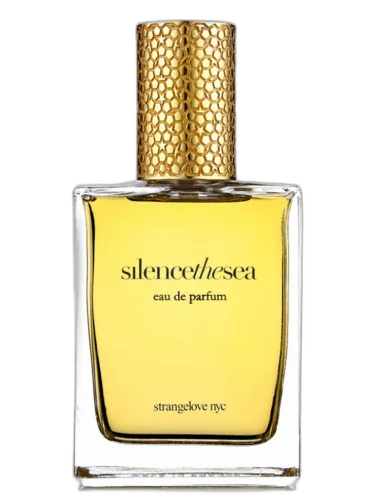
Strangelove NYC
Silence The Sea Strangelove Nyc
Shared top notes: agarwood (oud), ambergris, angelica
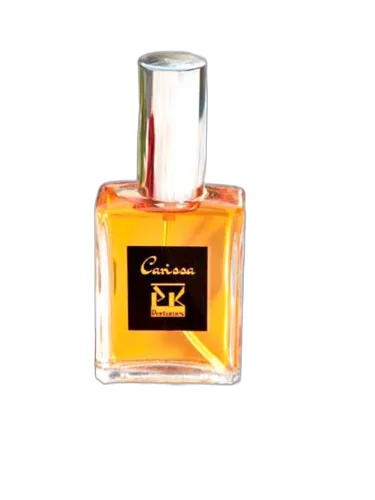
PK Perfumes
Carissa Pk Perfumes
Shared top notes: ambergris, jasmine, tuberose
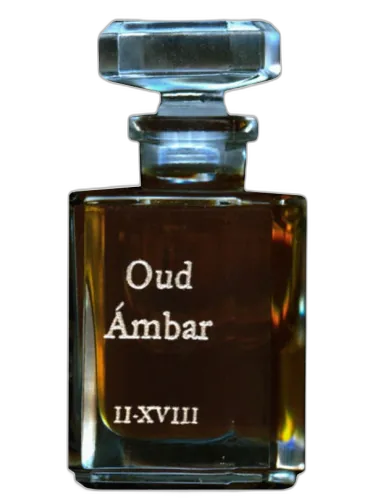
Fueguia 1833
Oud Ambar Fueguia 1833
Shared top notes: agarwood (oud)
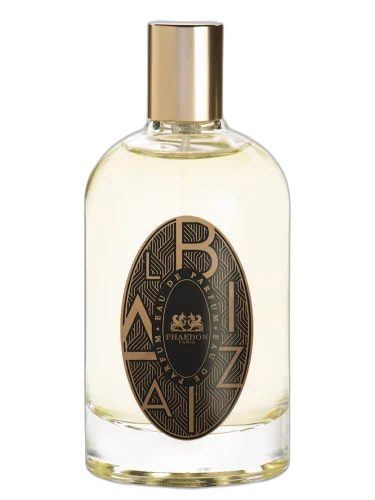
Phaedon
Albizia Phaedon
Shared top notes: ambergris
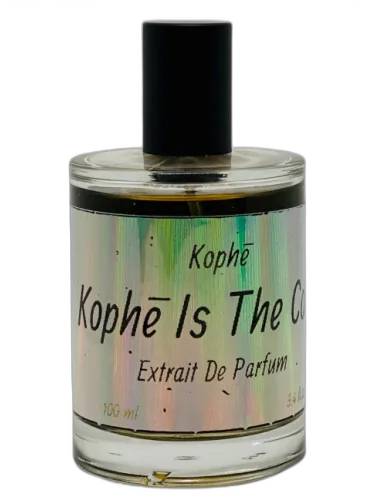
Kophē
Kophē Is The Color Kophē
Shared top notes: agarwood (oud)