


Fume Ma Peau Strangers Parfumerie
At a glance
Is Fume Ma Peau Strangers Parfumerie worth trying?
Fume Ma Peau by Strangers Parfumerie is a Woody Aromatic fragrance for women and men.
- Best match
- Evening wear in Fall
- Performance feel
- Very Good longevity with Strong sillage
- Signature profile
- woody, aromatic, leather with Tobacco, Haitian Vetiver, Gasoline
The first impression
Fume Ma Peau by Strangers Parfumerie is a Woody Aromatic fragrance for women and men. Fume Ma Peau was launched in 2017. The nose behind this fragrance is Prin Lomros.
What shapes the scent
The perfumer behind it

Prin Lomros
Prin Lomros is a Thai perfumer and founder of the Prin brand, recognized for bold, complex compositions that often blend natural and synthetic materials. Their portfolio includes works for Azman and Der Duft, as well as their own line featuring scents like Ahuizotl and Aran. Lomros is known for pushing boundaries with rich, animalic, and resinous accords.
Notes pyramid
All Notes
Complete scent profile
 Tobacco
 Haitian Vetiver
 Gasoline
 Cypress
 Birch
Industrial glue
Birch
Industrial glue
 Leather
Virginia Cedar
Leather
Virginia Cedar
 Styrax
Iran Galbanum
Styrax
Iran Galbanum
The mood it creates
The Lover Archetype: Portrait of Fume Ma Peau Strangers Parfumerie
Essence
Fumée Ma Peau by Strangers Parfumerie is a fragrance of paradox-smoky yet tender, animalic yet refined. It does not announce itself with brashness but lingers like a half-remembered dream, both unsettling and seductive. The person who chooses this scent is drawn to its duality: the warmth of skin and the sharpness of burning wood, the intimacy of the body and the distance of abstraction. They are not one for simple pleasures; they seek the sublime in the tension between opposites.
This is the domain of the Lover archetype, though not in its most obvious form. Not the romantic seducer, nor the hedonist lost in sensation-but the Lover as the seeker of deep, transformative connection. Their love is not merely for people but for experiences, ideas, and the raw textures of life. They are drawn to what is fleeting yet unforgettable, to what cannot be fully grasped but must be felt.
Shadow
Yet the Lover’s intensity has its cost. Their hunger for depth can slip into obsession-fixating on a person, an idea, a memory, until it becomes a prison. They are prone to melancholy, mourning the ephemeral nature of beauty even as they revel in it. At times, they may withdraw, not out of coldness, but because the weight of feeling becomes too much.
Their greatest flaw is perhaps their reluctance to accept the ordinary. They disdain the trivial, sometimes dismissing what is simple or stable as unworthy. This can make them restless, always searching for the next transcendent moment, unable to settle into contentment. In love, they may idealize too much, setting impossible standards that leave them-and others-disappointed when reality fails to match the dream.
Conclusion
Their tastes are not conventional. They prefer the worn edges of things-a secondhand book with marginalia, a vinyl record with the faint crackle of age, the roughness of handmade ceramics. Their style is deliberate but never studied; they might wear linen that wrinkles easily, leather that darkens with time, or jewelry that tarnishes. They do not fear imperfection-they crave it, for it speaks of life being lived rather than preserved.
Philosophically, they are drawn to thinkers who embrace contradiction: Nietzsche’s dance between chaos and order, Bataille’s sacred transgressions, the Zen koan that dissolves logic. They do not seek answers so much as the right questions-the ones that unsettle and expand. Their values are rooted in authenticity, but not in the simplistic sense of "being true to oneself." Rather, they believe in the authenticity of transformation, of allowing the self to be reshaped by experience.
If you like this, try these
Fragrances with a comparable profile - shared accords, notes, and character.
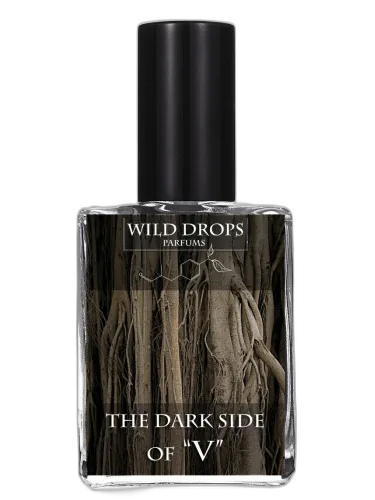
Wild Drops Parfums
The Dark Side Of V Wild Drops Parfums
Shared top notes: birch, cypress, leather
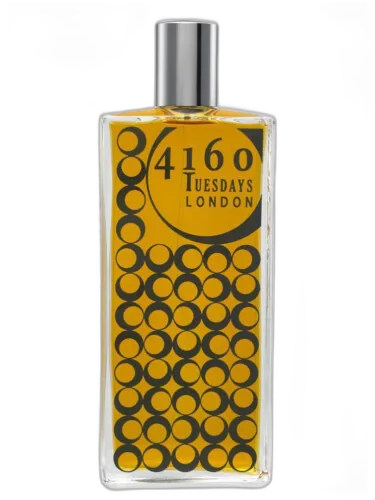
4160 Tuesdays
The Big Smoke 4160 Tuesdays
Shared top notes: birch, tobacco
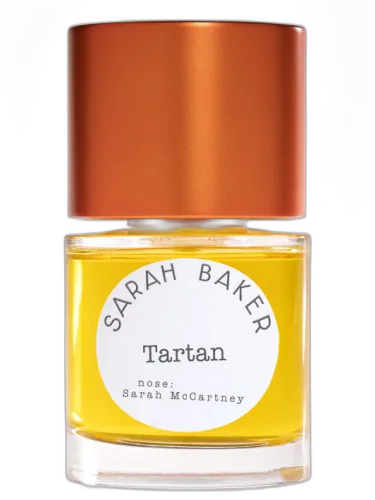
Sarah Baker Perfumes
Tartan Sarah Baker Perfumes
Shared top notes: leather, tobacco, virginia cedar
Venti4
Vorrei Venti4
Shared top notes: gasoline, leather
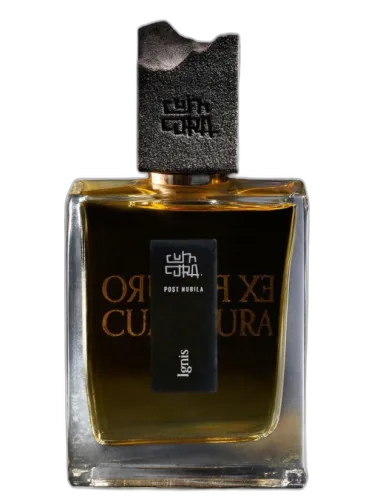
Cum Cura
Ignis Cum Cura
Shared top notes: leather