


Free Candy Sucreabeille
At a glance
Is Free Candy Sucreabeille worth trying?
Free Candy by Sucreabeille is a Floral Fruity Gourmand fragrance for women and men.
- Best match
- Casual wear in Winter
- Performance feel
- Good longevity with Moderate sillage
- Signature profile
- sweet, chocolate, warm spicy with Silk, Sweet Notes, Chocolate
The first impression
Free Candy by Sucreabeille is a Floral Fruity Gourmand fragrance for women and men. Free Candy was launched in 2019. The nose behind this fragrance is Andrea Fender.
What shapes the scent
The perfumer behind it

Andrea Fender
Andrea Fender is a perfumer who has created numerous fragrances for Sucreabeille. Their portfolio includes Afterglow, Aqua Vitae, Black Rose, Bounty, Coconut Palm, Cup Of Ambition, Dead Or Alive, and Dead Ringer. These scents range from gourmand to dark and atmospheric, reflecting a versatile creative approach.
Notes pyramid
All Notes
Complete scent profile
 Silk
Silk
 Sweet Notes
Chocolate
Sweet Notes
Chocolate
The mood it creates
The Innocent Archetype: Portrait of Free Candy Sucreabeille
Essence
The person who adores Free Candy by Sucreabeille is one who clings to the sweetness of life with an almost childlike reverence. Their archetype is the Innocent, the eternal optimist who seeks purity, joy, and uncomplicated pleasure. They are drawn to fragrances that evoke nostalgia-cotton candy, vanilla, spun sugar-scents that remind them of carefree days, laughter, and the warmth of sunlight on skin. They do not merely wear perfume; they embody it, wrapping themselves in a cocoon of sweetness as a shield against the bitterness of the world.
But innocence is not naivety. Beneath their sugar-coated exterior lies a quiet wisdom, a recognition that life is harsh, yet they choose to focus on what delights them. They are not blind to suffering; they simply refuse to let it define them.
Style & Aesthetic
Their style is playful, whimsical, yet deliberate. They favor soft pastels, oversized sweaters, and accessories that sparkle-tiny stars in their ears, a charm bracelet jingling with trinkets from childhood. Their home is a sanctuary of comfort: fairy lights, plush blankets, shelves lined with well-loved books and trinkets that hold sentimental value. They collect things not for their worth, but for the memories they evoke-a seashell from a summer trip, a pressed flower from a first date.
They consume media that reaffirms their worldview-stories of hope, redemption, and magic. Studio Ghibli films, fairy tales, and romantic comedies are their refuge. Music is light, melodic, often nostalgic-indie folk, dream pop, anything that feels like a warm embrace.
They thrive in environments that allow them to create beauty-art, writing, baking, gardening. Routine comforts them; they find solace in rituals like morning tea, evening walks, and the careful arrangement of flowers in a vase. They are not ambitious in the traditional sense; they measure success in moments of connection, in the ability to make others feel loved.
Yet they are not without ambition. Their dream is not power or wealth, but a life that feels like a perpetual golden hour-soft, warm, and fleeting in the best way.
Philosophy & Values
Their philosophy is simple: joy is resistance. In a world that often rewards cynicism, they insist on finding beauty in small things-a perfect cup of tea, the scent of rain, the laughter of a friend. They believe in kindness as a radical act, in love as a force stronger than despair.
Yet this optimism is not passive. They are not the naive dreamer who waits for happiness to find them; they cultivate it deliberately, like a gardener tending fragile blooms. They understand that sweetness must be fought for, that innocence is not ignorance but a conscious choice.
Relationships
In friendships, they are the nurturer, the one who remembers birthdays, who brings homemade cookies "just because." They attract people who crave warmth, who are drawn to their effortless kindness. Their love language is acts of service and gifts-small, thoughtful tokens that say, I see you, I cherish you.
Romantically, they seek partners who appreciate their softness but do not mistake it for fragility. They are drawn to those who balance their idealism with grounding pragmatism, who protect their light without dimming it.
But there is a shadow here: their relentless positivity can sometimes alienate those in pain. Not everyone wants to be handed a lollipop when they are grieving. Their insistence on looking for the silver lining can feel dismissive, as though sadness is an inconvenience to be smoothed over.
Shadow
The Innocent’s greatest flaw is their avoidance of darkness. They fear bitterness, anger, and despair-not because they do not feel these things, but because they worry that once acknowledged, these emotions will consume them. They may suppress their own pain to maintain their image of lightness, leading to emotional stagnation.
At their worst, they become escapists, retreating into fantasy rather than facing reality. Their optimism can curdle into denial, their sweetness into saccharine artifice. They may grow resentful when the world does not reward their kindness, feeling betrayed by a universe they believed was fundamentally good.
Conclusion
Free Candy is more than a scent to them; it is a declaration. It says: I choose delight. I refuse to let the world harden me. They are the Innocent, not because they do not know suffering, but because they have decided that sweetness is worth preserving.
But like all archetypes, balance is key. The true test of their spirit is not in avoiding darkness, but in learning that even the sweetest candy can have depth-that bitterness, when tasted fully, makes the sugar all the sweeter.
If you like this, try these
Fragrances with a comparable profile - shared accords, notes, and character.
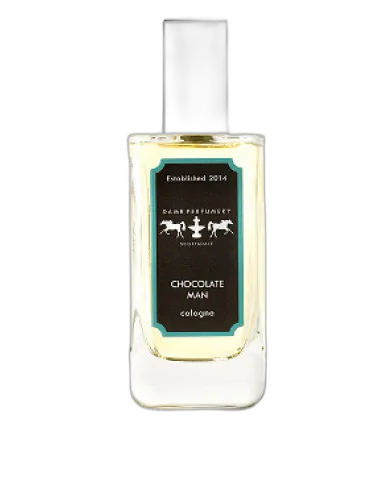
Dame Perfumery
Chocolate Man Dame Perfumery
Shared top notes: chocolate

Dame Perfumery
Chocolate Perfume Oil Dame Perfumery
Shared top notes: chocolate

Solstice Scents
Cocoa Absolute Solstice Scents
Shared top notes: chocolate

H&M
H&m Choc - Melty Goodness H&m
Shared top notes: chocolate
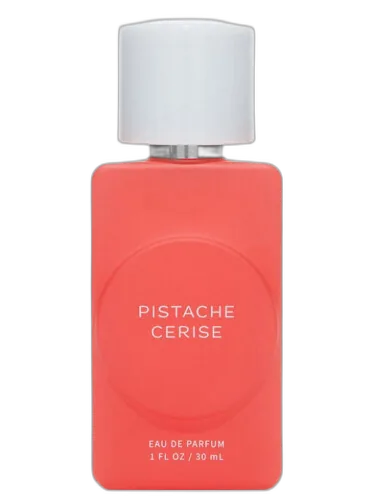
Claire's
Pistache Cerise Claire's
Shared top notes: chocolate