
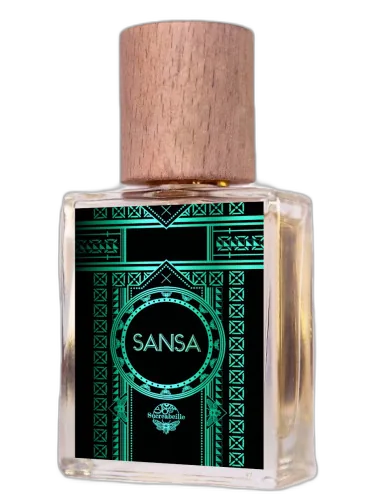

Sansa Sucreabeille
At a glance
Is Sansa Sucreabeille worth trying?
Sansa by Sucreabeille is a Citrus Gourmand fragrance for women and men.
- Best match
- Evening wear in Winter
- Performance feel
- Good longevity with Moderate sillage
- Signature profile
- citrus, vanilla, sweet with Lemon, Vanilla Absolute, Frosting [Glacé]
The first impression
Sansa by Sucreabeille is a Citrus Gourmand fragrance for women and men. Sansa was launched in 2018. The nose behind this fragrance is Andrea Fender.
What shapes the scent
The perfumer behind it

Andrea Fender
Andrea Fender is a perfumer who has created numerous fragrances for Sucreabeille. Their portfolio includes Afterglow, Aqua Vitae, Black Rose, Bounty, Coconut Palm, Cup Of Ambition, Dead Or Alive, and Dead Ringer. These scents range from gourmand to dark and atmospheric, reflecting a versatile creative approach.
Notes pyramid
All Notes
Complete scent profile
 Lemon
Lemon
 Vanilla Absolute
![Frosting [Glacé]](/static/images/notes/frosting-glace.webp) Frosting [Glacé]
Frosting [Glacé]
 Butter
The mood it creates
The Lover Archetype: Portrait of Sansa Sucreabeille
Essence
To wear Sansa by Sucreabeille is to embrace a paradox-a fragrance that is both delicate and commanding, tender yet unyielding. It is a scent for those who dwell in the liminal space between innocence and wisdom, between the sweetness of nostalgia and the sharpness of lived experience. The person who cherishes this fragrance is not merely drawn to its notes of vanilla, sugar, and amber; they are drawn to what it represents-an archetypal force that shapes their very being.
At their core, this individual is defined by The Lover-an archetype that thrives on connection, beauty, and deep emotional resonance. They do not merely experience life; they romance it, seeking to infuse every moment with meaning, sensuality, and aesthetic pleasure. The Lover is not passive in their affections; they are an active participant in the dance of desire, whether that desire is for another person, an idea, or an experience.
Yet, like all archetypes, The Lover has a shadow-a tendency toward indulgence, possessiveness, or an inability to reconcile idealism with reality. The Sansa wearer is no exception; their enchantment with beauty can sometimes blind them to harsher truths, and their longing for connection can tip into dependency.
Style & Aesthetic
Their tastes are refined but never sterile. They prefer the warmth of handcrafted ceramics to cold, mass-produced glass, the texture of aged paper to the glare of a screen. Their home is a sanctuary of soft fabrics, flickering candlelight, and shelves lined with books that have been read more than once. Music is not background noise but an experience-vinyl records, the hum of a cello, the kind of voice that lingers in the bones long after the song has ended.
Philosophically, they are drawn to the idea that life is meant to be felt, not just endured. They reject the notion that practicality must eclipse passion, and they bristle at those who dismiss beauty as frivolity. To them, a perfectly brewed cup of tea, the curve of a lover’s wrist, the golden hour light spilling across a wooden floor-these are not small things. These are the essence of existence.
Relationships
They do not love lightly. When they give their affection, it is with an intensity that can be overwhelming, even to themselves. Their friendships are deep, their romances all-consuming. They are the kind of person who remembers birthdays with handwritten letters, who lingers in doorways for one more kiss, who knows the exact way their partner takes their coffee.
But here, the shadow emerges. Their need for emotional reciprocity can become a weight, their idealism a breeding ground for disillusionment. If love does not match their vision-if it is inconsistent, if it fades-they may cling too long or retreat into bitterness. They must learn that love, like perfume, is ephemeral by nature, and its beauty lies in its impermanence.
Shadow
The greatest danger for this individual is the temptation to live only through sensation, to mistake pleasure for purpose. They may lose themselves in the pursuit of aesthetic perfection, growing frustrated when the world refuses to conform to their vision. At their worst, they can become hedonistic, using beauty as an escape rather than an engagement with life.
Yet, even their flaws are born from an excess of their virtues. Their sentimentality is the price of their depth; their occasional indulgence, the cost of their capacity for joy.
Conclusion
To know them is to know someone who refuses to live half-heartedly. They are the ones who stop to admire the way rain beads on a spiderweb, who press flowers between the pages of old books, who believe-despite all evidence-that the world is still worth savoring.
And when they wear Sansa, it is not merely a fragrance. It is an affirmation: that sweetness exists, that beauty matters, that to love deeply is its own kind of wisdom.
If you like this, try these
Fragrances with a comparable profile - shared accords, notes, and character.

Lulu Castagnette
Les Delices Lulu Castagnette
Shared top notes: lemon
The Society of Scent
Vanilla The Society Of Scent
Shared top notes: lemon
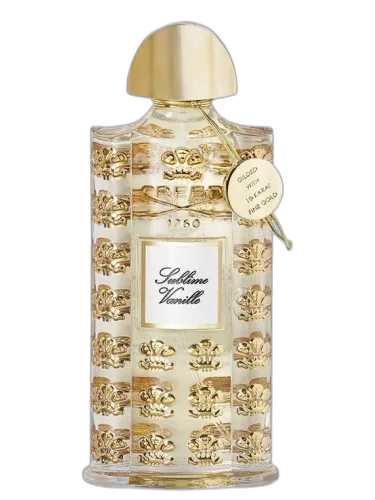
Creed
Sublime Vanille Creed
Shared top notes: lemon
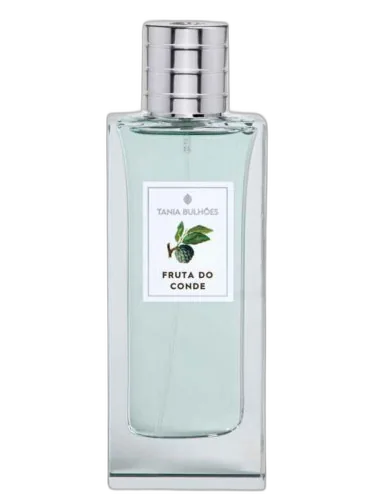
Tania Bulhões
Fruta Do Conde Tania Bulhões
Shared top notes: lemon

Jequiti
Eliana Quartzo Jequiti
Shared top notes: lemon