
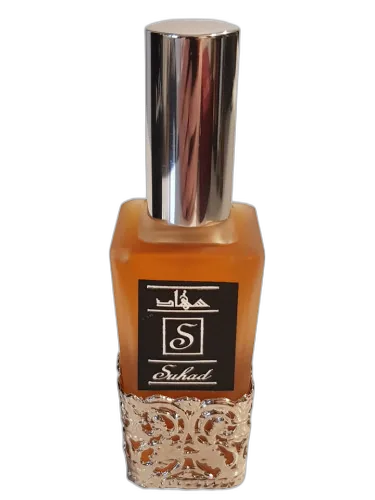

Mukhmal Suhad Perfumes
At a glance
Is Mukhmal Suhad Perfumes worth trying?
Mukhmal by Suhad Perfumes is a Oriental Floral fragrance for women and men.
- Best match
- Evening, Special Occasion wear in Fall, Winter
- Performance feel
- Very Good longevity with Strong sillage
- Signature profile
- rose, warm spicy, amber with Rose, Oriental notes
The first impression
Mukhmal by Suhad Perfumes is a Oriental Floral fragrance for women and men. Mukhmal was created by Suhad Al-Qenaei and Christian Carbonnel.
What shapes the scent
The perfumer behind it

Christian Carbonnel
Christian Carbonnel is a prolific perfumer whose catalog includes diverse creations for ALYSONOLDOINI, Accendis, and Al Haramain Perfumes. His work ranges from the woody Bourbon Oud to the floral Bucato Royale, as well as the elegant Atifa Blanche and Atifa Noir. Carbonnel's style spans both niche and accessible markets, often blending traditional and modern elements.
Notes pyramid
All Notes
Complete scent profile
 Rose
Rose
 Oriental notes
The mood it creates
The Mukhmal Suhad Devotee Archetype: Portrait of Mukhmal Suhad Perfumes
Essence
To wear Mukhmal Suhad is to embrace opulence without apology-a fragrance that wraps the senses in velvet and whispers of decadence. This is not a scent for the timid or the ascetic; it belongs to one who understands allure as an art form. The wearer is most closely aligned with the Seductive Archetype, a figure who thrives on magnetism, pleasure, and the subtle dance of influence.
Shadow
Beneath the polished exterior lies a restlessness, a hunger that cannot be sated by mere admiration. When unbalanced, they may slip into vanity, mistaking attention for worth. There is a danger, too, in their adaptability-they can lose themselves in the roles they play, forgetting where performance ends and authenticity begins.
At their worst, they manipulate not out of malice, but out of habit-a reflex honed by years of reading desires and fulfilling them. The line between connection and control blurs, leaving them isolated in the very crowds they command.
Conclusion
Their tastes are unashamedly indulgent-dark chocolate with a bitter edge, aged wine that lingers on the tongue, the slow burn of a well-composed melody. They surround themselves with textures that beg to be touched: silk, cashmere, the worn leather of a favorite book. Their style is deliberate, neither ostentatious nor understated, but always felt-a deep burgundy scarf, a tailored coat that drapes just so, jewelry with weight and history.
Philosophy, for them, is not an abstract exercise but a lived experience. They believe in the power of presence, in the idea that beauty is not merely observed but created through attention, through the way one moves through the world. They are drawn to thinkers like Baudelaire and Bataille, who saw ecstasy and excess as paths to truth.
If you like this, try these
Fragrances with a comparable profile - shared accords, notes, and character.
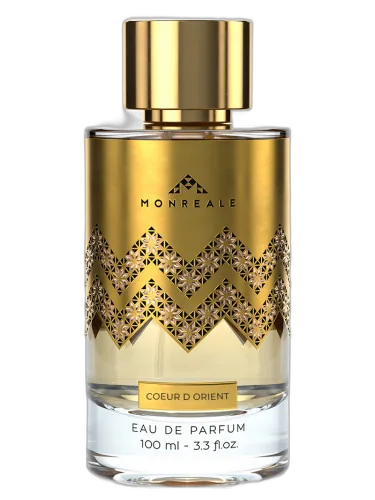
Monreale
Coeur D Orient Monreale
Shared top notes: oriental notes, rose
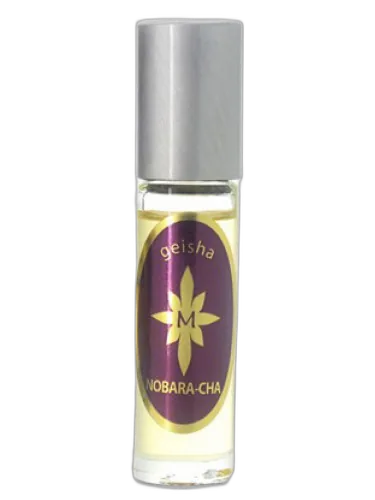
Aroma M
Nobara-cha Roll-on Perfume Oil Aroma M
Shared top notes: rose

SoOud
Jadab Eau Fine Sooud
Shared top notes: oriental notes
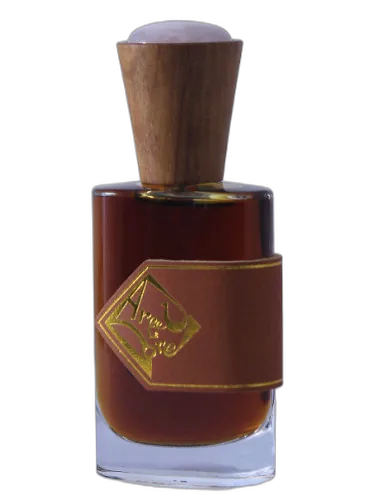
Areej Le Doré
Malik Al Taif Areej Le Doré
Shared top notes: rose

Creation Lamis
Catsuit Creation Lamis
Shared top notes: rose