
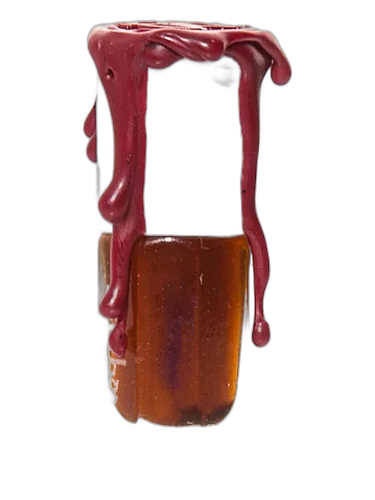

Aurum D'angkhor Sultan Pasha Attars
Fragrance Story
Aurum d'Angkhor by Sultan Pasha Attars is a Oriental fragrance for women and men. Aurum d'Angkhor was launched in 2014. The nose behind this fragrance is Sultan Pasha. Top notes are Jasmine, Rose and Saffron; middle notes are Tobacco, Bulgarian Rose, Damask Rose, Honey, Henna and Orange Blossom; base notes are Agarwood (Oud), Tobacco, Ambergris, Beeswax, Labdanum, Henna, Patchouli, Saffron, Sandalwood, Siam Benzoin and Musk.
Composition Profile
About the Perfumer

Sultan Pasha
Sultan Pasha is a British perfumer known for his luxurious attars and complex ambergris-based compositions. His work often features rich, animalic notes and rare natural ingredients, drawing on traditional Middle Eastern perfumery techniques. The Coronation Ambergris series showcases his mastery of ambergris in varied interpretations, while his Al Hareem and Al Lail attars explore opulent floral and resinous blends.
Fragrance Notes
Top Notes
First impression · 15-30 min
 Jasmine
 Rose
Rose
 Saffron
Heart Notes
Core character · 2-4 hours
 Tobacco
 Bulgarian Rose
Damask Rose
Bulgarian Rose
Damask Rose
 Honey
Honey
 Henna
Henna
 Orange Blossom
Base Notes
Lasting impression · 4+ hours
.jpg) Agarwood (Oud)
Tobacco
Agarwood (Oud)
Tobacco
 Ambergris
 Beeswax
 Labdanum
Henna
Labdanum
Henna
 Patchouli
Saffron
Patchouli
Saffron
 Sandalwood
Siam Benzoin
Sandalwood
Siam Benzoin
 Musk
Musk
Aurum D'angkhor Sultan Pasha Attars by Sultan Pasha Attars offers a distinctive olfactory experience that stands out from other fragrances in its category.
Crafted with the finest ingredients and a blend of traditional and modern perfumery techniques, this fragrance represents the pinnacle of the perfumer's art.
Aurum D'angkhor Sultan Pasha Attars embodies the distinctive style of Sultan Pasha Attars while adding a unique chapter to their fragrance portfolio.
Character Profile
The Alchemist Archetype: Portrait of Aurum D'angkhor Sultan Pasha Attars
Essence
To wear Aurum D'angkhor is to embrace the scent of transformation-a fragrance that is dense, opulent, and layered with the weight of history. It is not a perfume for the fleeting or the timid. The person who chooses it is drawn to the alchemy of scent, where gold is not merely a metal but a symbol of the soul’s refinement. They are, in essence, an Alchemist-one who seeks to transmute the raw into the sublime, the ordinary into the extraordinary.
Relationships
The Alchemist does not form bonds lightly. Their relationships are like their fragrance-intense, evolving, and occasionally overwhelming. They seek companions who can match their intellectual and emotional depth, who are unafraid of shadows and unimpressed by superficial charm. Their love is not possessive but transformative; they wish to elevate those they care about, to see them refined by experience.
Yet this very idealism can become their shadow. They may grow impatient with those who refuse to grow, who remain content with the unexamined life. Their standards are exacting, and their disappointment, when it comes, is cold and absolute. They do not suffer fools, but in their dismissal, they risk becoming the very thing they despise-a solitary figure, lost in their own labyrinth of meaning.
Shadow
The Alchemist’s greatest strength-their relentless pursuit of depth-can also be their undoing. In their quest for perfection, they may become disdainful of simplicity, dismissing joy that does not come with a price of introspection. Their obsession with the rare can blind them to the beauty of the ordinary, leaving them isolated in a self-imposed exile of refinement.
There is also the danger of becoming lost in their own myth. The Alchemist may begin to believe their own transmutations too deeply, mistaking symbolism for substance. They may grow dogmatic, insisting that only their chosen path leads to enlightenment. In this way, the seeker of gold risks becoming a prisoner of it.
Conclusion
This individual does not merely experience life; they dissect it, distill it, and seek its hidden meanings. Their philosophy is one of depth and synthesis-they believe that beauty must be earned, that luxury is not in possession but in perception. They are drawn to the esoteric, the rare, and the meticulously crafted. Whether in art, literature, or conversation, they seek the kind of richness that demands patience to unravel.
Their tastes are baroque but deliberate. They may surround themselves with antiques, not out of nostalgia, but because these objects carry the weight of time-each scratch and patina tells a story. In music, they favor complexity: the intricate compositions of classical maestros or the layered soundscapes of avant-garde artists. Their wardrobe is not dictated by trends but by texture-silks, velvets, and aged leathers that speak of endurance rather than ephemeral fashion.
Similar Fragrances
Fragrances with a comparable profile - shared accords, notes, and character.
Sultan Pasha Attars
Aurum D'angkhor Sultan Pasha Attars
Shared accords: amber, animalic, honey
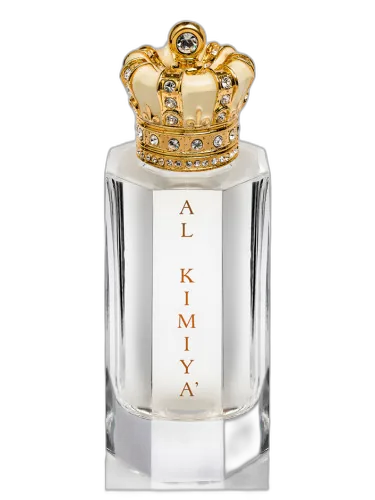
Royal Crown
Al Kimiya Royal Crown
Shared accords: amber, honey, oud
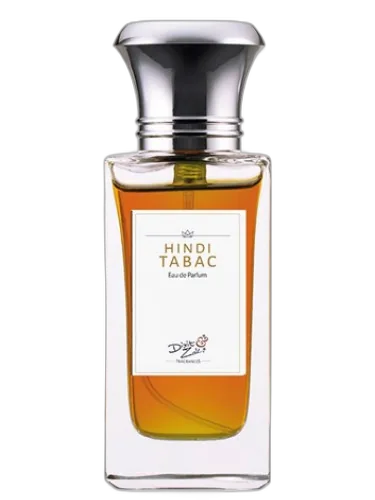
Dixit & Zak
Hindi Tabac Dixit & Zak
Shared accords: amber, animalic, oud
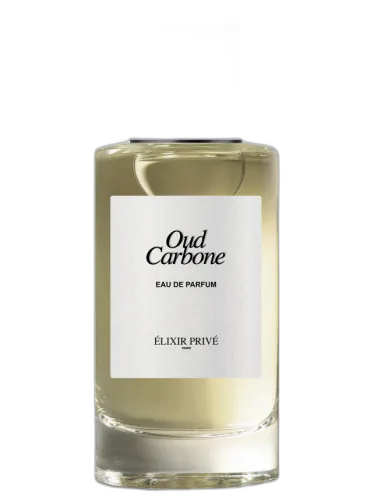
Élixir Privé
Oud Carbone Élixir Privé
Shared accords: animalic, oud, sweet

Katana Parfums
Fleur De Oud Katana Parfums
Shared accords: animalic, oud, sweet