


When We Cuddle And I Can Smell My Perfume On Your Clothes Tauerville
At a glance
Is When We Cuddle And I Can Smell My Perfume On Your Clothes Tauerville worth trying?
When We Cuddle And I Can Smell My Perfume On Your Clothes by Tauerville is a fragrance for women and men.
- Best match
- Evening wear in Fall
- Performance feel
- Very Good longevity with Moderate sillage
- Signature profile
- amber, vanilla, musky with Benzoin, Vanilla, Musk
The first impression
When We Cuddle And I Can Smell My Perfume On Your Clothes by Tauerville is a fragrance for women and men. When We Cuddle And I Can Smell My Perfume On Your Clothes was launched in 2017. The nose behind this fragrance is Andy Tauer.
What shapes the scent
The perfumer behind it

Andy Tauer
Andy Tauer is an independent Swiss perfumer known for his artisanal approach and self-founded Tauer Perfumes. His style blends rich, resinous, and ambered accords with a distinct desert-inspired warmth, often featuring saffron, cedar, and tobacco. Notable creations from our catalog include the iconic L'Air du Desert Marocain, the leathery Lonestar Memories, and the floral-spiced Lys Du Desert Decennial. His work has helped define modern niche perfumery, emphasizing handcrafted quality and evocative storytelling.
Notes pyramid
All Notes
Complete scent profile
 Benzoin
 Vanilla
 Musk
Musk
 Amber
Amber
 Patchouli
The mood it creates
The Lover Archetype: Portrait of When We Cuddle And I Can Smell My Perfume On Your Clothes Tauerville
Essence
To wear When We Cuddle And I Can Smell My Perfume On Your Clothes by Tauerville is to embrace the essence of intimacy-not merely as an act, but as a philosophy. This fragrance, with its warm vanilla, soft musk, and lingering sweetness, is a whispered confession, a tactile memory pressed into fabric. The person who cherishes it is no stranger to the art of closeness; they are the Lover archetype incarnate, a seeker of connection in its most sensual and emotional forms.
Style & Aesthetic
For them, beauty is not an abstraction but a lived experience. Their surroundings are curated with deliberate tenderness-soft textiles, dim lighting, objects that invite touch. Their style is effortlessly sensual, favoring fabrics that drape and move with the body, colors that evoke warmth (deep reds, dusky pinks, muted creams). They reject the sterile and the impersonal, seeking instead spaces and objects that feel lived-in, as if they hold stories.
Their philosophy is rooted in the belief that life’s meaning is found in moments of connection-shared laughter, lingering glances, the quiet understanding between two bodies pressed close. They are drawn to poetry, to music that feels like a caress, to art that captures fleeting intimacy. They do not merely consume beauty; they dissolve into it, making it part of themselves.
They move through the world as a connoisseur of sensation. Meals are not just eaten but savored-spices lingered over, textures appreciated. They prefer candlelight to harsh bulbs, handwritten letters to quick texts. Their home is a sanctuary, a place where time slows and the outside world fades. They may collect vintage perfumes, well-worn books, records that crackle with age.
But this devotion to pleasure has its pitfalls. They risk becoming lost in the ephemeral, mistaking sensory indulgence for true fulfillment. Their pursuit of beauty can tip into decadence, their love of comfort into stagnation. The Lover must remember that intimacy, like perfume, is fleeting-meant to be experienced, not hoarded.
Relationships
To be loved by them is to be enveloped-sometimes in warmth, sometimes in a grip that borders on suffocation. They excel at making others feel seen, desired, cherished. Their relationships are deep, often intense, built on a foundation of emotional and physical closeness. They are the kind of lover who remembers the way you take your coffee, who traces the curve of your shoulder absentmindedly while reading, who leaves traces of themselves on you-whether a borrowed sweater or the ghost of their perfume.
Yet here lies their shadow: the line between devotion and possession can blur. Their need for closeness can become a demand, their affection a subtle form of control. They may mistake intensity for intimacy, conflating love with the fear of losing it. When threatened by distance, they cling rather than release, their warmth turning to smothering heat.
The person who wears When We Cuddle... understands that love is not a grand declaration but a quiet accumulation-of shared warmth, of lingering scent, of the way two people imprint on each other. They are the Lover, not in the trivial sense of romance, but in the profound sense of one who seeks to dissolve the boundaries between self and other.
Their flaw is their strength taken too far: the refusal to let go. But their redemption lies in learning that true intimacy requires both holding on and releasing. Like the perfume they adore, their presence lingers-not as a chain, but as a memory, a promise, a soft echo of what was and what might yet be.
Shadow
The greatest challenge for this archetype is the fear of abandonment. Their need to merge with others can become a refusal to let go, their passion turning possessive. They may mistake dependency for love, or use seduction as a means of control. The shadow Lover does not trust the natural ebb and flow of connection; they demand permanence in a world that offers none.
Yet in their best moments, they embody the purest form of the Lover-not as one who consumes, but as one who shares. Their gift is the ability to make others feel alive, to remind them that touch, scent, and presence are sacred. They are the keeper of whispered secrets, the one who leaves traces of themselves behind-not as a claim, but as an invitation to return.
If you like this, try these
Fragrances with a comparable profile - shared accords, notes, and character.
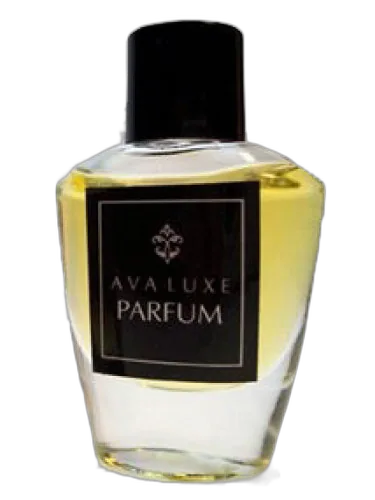
Ava Luxe
Sweet Patchouli Ava Luxe
Shared top notes: amber, musk, patchouli
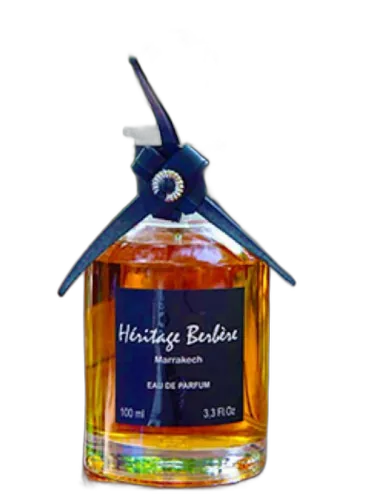
Héritage Berbère
Hb Femme 09 Héritage Berbère
Shared top notes: amber, musk, patchouli

Montale
Patchouli Leaves Montale
Shared top notes: amber, musk, patchouli
Guerlain
Vanille Planifolia Extrait 21 Guerlain
Shared top notes: amber, musk, vanilla
Maya Njie
Vanilj Maya Njie
Shared top notes: amber, musk, patchouli