


Thalasso Therapy Tesori D'oriente
Fragrance Story
Thalasso Therapy by Tesori d'Oriente is a Citrus Aromatic fragrance for women and men. Thalasso Therapy was launched in 2020. Top notes are Bergamot and Lemon; middle notes are Sea Salt and Algae; base notes are Musk and Cedar.
Composition Profile
About the Perfumer

Unknown Perfumer
Fragrance Notes
Top Notes
First impression · 15-30 min
 Bergamot
 Lemon
Lemon
Heart Notes
Core character · 2-4 hours
 Sea Salt
 Algae
Algae
Base Notes
Lasting impression · 4+ hours
 Musk
Musk
 Cedar
Cedar
Thalasso Therapy Tesori D'oriente by Tesori d'Oriente offers a distinctive olfactory experience that stands out from other fragrances in its category.
Crafted with the finest ingredients and a blend of traditional and modern perfumery techniques, this fragrance represents the pinnacle of the perfumer's art.
Thalasso Therapy Tesori D'oriente embodies the distinctive style of Tesori d'Oriente while adding a unique chapter to their fragrance portfolio.
Character Profile
The Thalasso Therapy Enthusias Archetype: Portrait of Thalasso Therapy Tesori D'oriente
Essence
The person who cherishes Thalasso Therapy Tesori D’Oriente is, at their core, a Sage-an archetype defined by wisdom, introspection, and a deep connection to nature’s rhythms. The fragrance itself, with its marine freshness, mineral depth, and subtle warmth, mirrors the Sage’s essence: a mind that seeks clarity in solitude, yet remains anchored to the earth’s elemental truths.
This is not the Sage of dusty libraries or rigid academia, but one who finds knowledge in the ebb and flow of tides, in the salt-kissed air, in the quiet meditation of waves against shorelines. They are drawn to the sea not merely as a place of leisure, but as a metaphor-a vast, untamed expanse that reflects their own inner complexity.
Style & Aesthetic
Their style is unforced elegance, favoring textures that evoke the natural world: linen, raw silk, weathered leather. They avoid ostentation, yet their choices are deliberate-each piece a whisper of intention rather than a declaration. Their palette leans toward muted blues, soft grays, and warm neutrals, mirroring the shifting tones of sea and sand.
In their home, one finds driftwood, seashells, perhaps a well-worn book of poetry or philosophy. Their space is not cluttered with souvenirs, but curated with objects that carry meaning-each one a fragment of a larger narrative.
They thrive in environments that allow for contemplation and movement-coastal towns, forest retreats, anywhere the boundary between civilization and wilderness blurs. Their ideal day begins with dawn over water, a slow ritual of coffee and journaling, followed by long walks where thought and landscape intertwine.
They are drawn to practices that demand patience and presence: sailing, meditation, free diving. Even in urban life, they carve out solitude-a balcony garden, a favorite bench by a river, small sanctuaries where they can recalibrate.
Philosophy & Values
Their philosophy is one of adaptability and depth. Like the ocean, they resist rigid dogma, preferring instead the fluidity of experience over fixed ideologies. They value wisdom that is earned, not inherited-knowledge that comes from immersion in life rather than passive observation.
Yet, this fluidity has its paradoxes. While they disdain dogma, they may quietly harbor their own unshakable convictions, disguised as open-mindedness. Their love for the sea is not merely aesthetic; it is a rejection of the artificial, a disdain for the hurried, plastic modernity that suffocates authenticity. They seek purity-not in a moralistic sense, but in the raw, unfiltered essence of existence.
Relationships
In relationships, they are steady but elusive, like the tide-always present, yet never fully grasped. They inspire trust through quiet constancy rather than effusive warmth. Their love is deep but undemonstrative, expressed in acts of silent devotion rather than grand gestures.
Yet, their shadow emerges here: a tendency toward emotional detachment, a reluctance to fully merge with another. They may rationalize solitude as wisdom, mistaking isolation for independence. Their partners may admire their depth but ache for more vulnerability, more shared turbulence.
Shadow
For all their wisdom, the Sage’s greatest flaw is intellectual pride. They may mistake their introspection for superiority, quietly dismissing those who lack their depth. Their love of solitude can curdle into misanthropy, a disdain for the "shallow" concerns of ordinary life.
Worse still, their fluid philosophy can become passivity-an endless search for meaning that paralyzes action. They may linger too long in contemplation, waiting for perfect clarity while life’s opportunities recede like the tide.
Conclusion
To transcend their shadow, they must learn that wisdom without engagement is sterile. The sea does not merely observe; it transforms. The Sage, too, must allow their insights to touch the world-not as a distant observer, but as one who wades into the currents, who risks the messiness of true connection.
Only then does their love of Thalasso Therapy find its fullest meaning: not as an escape into solitude, but as a reminder that even the deepest waters must eventually meet the shore.
Similar Fragrances
Fragrances with a comparable profile - shared accords, notes, and character.

Villa Erbatium
Hotel Venice Villa Erbatium
Shared accords: aquatic, citrus, marine

Reminiscence
Rem L'acqua Reminiscence
Shared accords: aquatic, citrus, marine
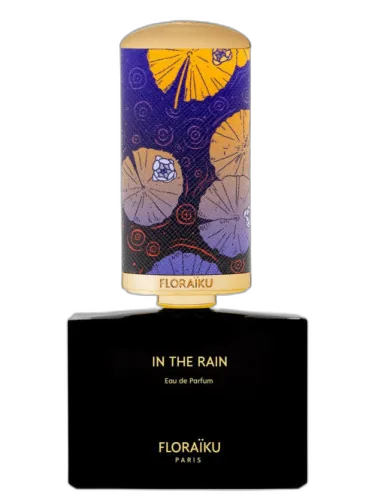
Floraïku
In The Rain Floraïku
Shared accords: citrus, musky, powdery
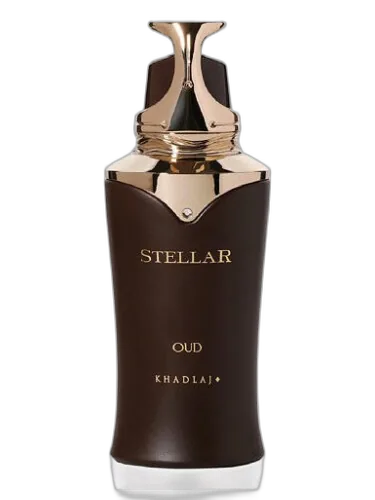
Khadlaj Perfumes
Stellar Oud Khadlaj Perfumes
Shared accords: aquatic, marine, musky
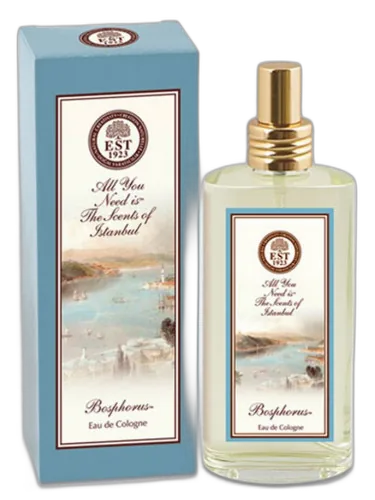
Eyüp Sabri Tuncer
Bosphorus Eyüp Sabri Tuncer
Shared accords: aquatic, citrus, marine