
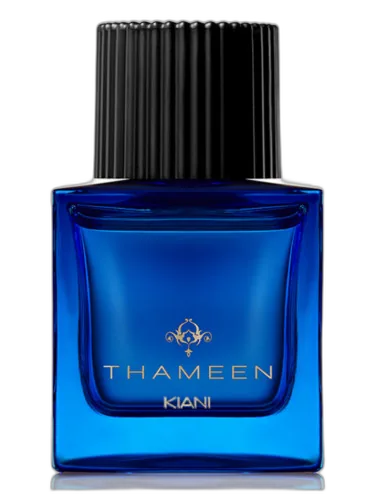

Kiani Thameen
At a glance
Is Kiani Thameen worth trying?
Kiani by Thameen is a Woody Spicy fragrance for women and men.
- Best match
- Evening wear in Fall
- Performance feel
- Excellent longevity with Strong sillage
- Signature profile
- aromatic, citrus, lavender with Citron, Sage, elemi
The first impression
Kiani by Thameen is a Woody Spicy fragrance for women and men. Kiani was launched in 2017. The nose behind this fragrance is Alexandre Illan. Top notes are Citron, Sage, elemi and Green Pepper; middle notes are Lavender, Ginger and Cumin; base notes are Vetiver, Cedar, Sandalwood, Guaiac Wood and Musk.
What shapes the scent
The perfumer behind it
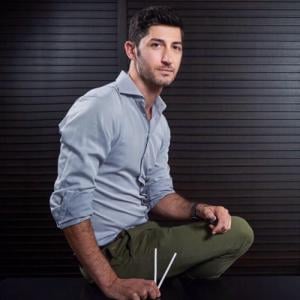
Alexandre Illan
Alexandre Illan is a French perfumer known for his work with major fragrance houses and independent brands. His style balances modern elegance with playful, sensual accords, often featuring floral, gourmand, or woody elements. Notable creations include the bold, fruity-floral Osez-moi! for Chantal Thomass and the sophisticated Vaniteese for Dita Von Teese.
Notes pyramid
Top Notes
First impression · 15-30 min
 Citron
 Sage
Sage
 elemi
elemi
 Green Pepper
Heart Notes
Core character · 2-4 hours
 Lavender
 Ginger
 Cumin
Cumin
Base Notes
Lasting impression · 4+ hours
 Vetiver
 Cedar
Cedar
 Sandalwood
 Guaiac Wood
 Musk
Musk
The mood it creates
The Sovereign Archetype: Portrait of Kiani Thameen
Essence
The one who favors Kiani Thameen is a modern sovereign-not by birthright, but by presence. This fragrance, with its opulent blend of oud, saffron, and amber, is not merely worn; it is wielded. The Sovereign Archetype dominates here, for this person commands attention without demanding it. They are drawn to power-not the crude, grasping kind, but the kind that emanates from self-assurance, discernment, and an unspoken expectation of excellence.
Yet power is a double-edged blade. The Ruler’s shadow looms in the form of rigidity, an unwillingness to bend, or worse-a quiet disdain for those who lack their discipline. They do not suffer fools, but sometimes, they mistake humility for weakness.
Style & Aesthetic
Their world is curated, not accidental. Their home is a sanctuary of dark woods, deep velvets, and carefully chosen art-nothing garish, nothing frivolous. They favor tailored suits or structured dresses, fabrics that drape rather than cling, colors that whisper rather than shout. Their taste in music leans toward the classical or the timeless-Mahler, perhaps, or the controlled intensity of Nina Simone.
They do not chase trends; they set them. Their philosophy is one of mastery: life is to be shaped, not endured. They believe in hierarchies-not of birth, but of merit. The best should rise, and they intend to be among them.
Philosophy & Values
Their greatest strength is their unshakable will. When they commit, they see things through-no excuses, no retreat. They value discipline, excellence, and integrity. A promise is a bond; their word is law, at least to themselves.
But the shadow of the Ruler is control-an inability to relinquish it, even when necessary. They may mistake dominance for leadership, silence for wisdom. Their disdain for chaos can make them brittle, unable to adapt when life refuses to bow to their design. And beneath the regal exterior, there is sometimes a quiet fear: what if their kingdom is built on sand?
Relationships
They attract admirers, not equals. Their friendships are few but fierce, built on mutual respect and unspoken codes of conduct. They do not indulge in idle gossip or shallow connections; every relationship must serve a purpose, even if that purpose is intellectual sparring or shared ambition.
Romance is a delicate matter. They seek a consort, not a subject-someone who can match their intensity without being cowed by it. But their standards are exacting, and their patience for emotional turbulence is thin. Love, for them, is a pact of mutual elevation, not unconditional surrender.
Conclusion
Kiani Thameen is not a scent for the uncertain. It is for those who walk into a room knowing they belong there, who measure their words like gold and their time like a finite resource. The Ruler who wears it is formidable, admirable, but never entirely at ease-for sovereignty is a burden as much as a privilege.
They are not cruel, but they are exacting. Not unfeeling, but guarded. And though they may never admit it, their greatest battle is not with the world, but with their own need to command it.
If you like this, try these
Fragrances with a comparable profile - shared accords, notes, and character.
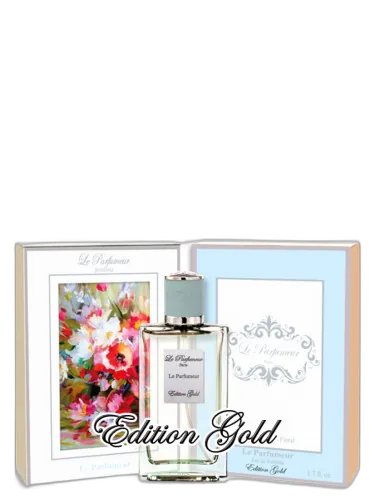
Le Parfumeur
Le Parfumeur Le Parfumeur
Shared heart notes: ginger, lavender
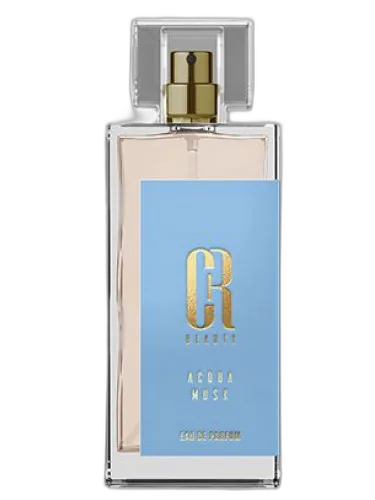
CR Beauty
Acqua Musk Cr Beauty
Shared heart notes: ginger, lavender
Aquaflor Firenze
Vertiver Aquaflor Firenze
Shared heart notes: lavender
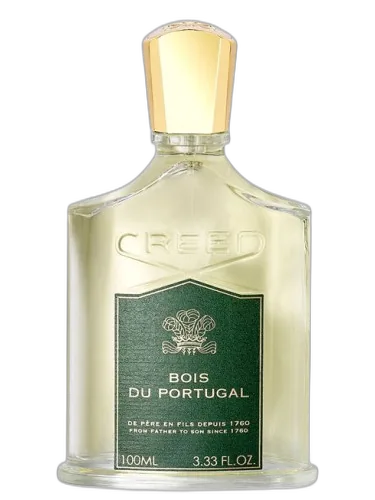
Creed
Bois Du Portugal Creed
Shared heart notes: lavender

Mila Schön
Mila Schön Lui Mila Schön
Shared heart notes: lavender