
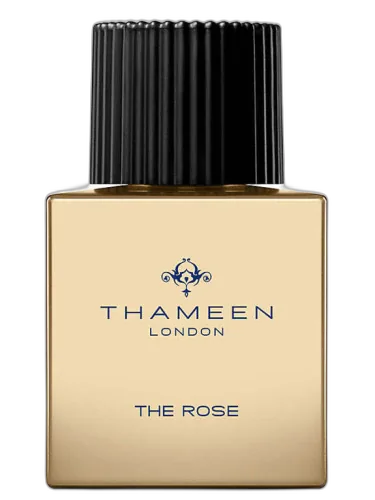

The Rose Thameen
At a glance
Is The Rose Thameen worth trying?
The Rose by Thameen is a Floral fragrance for women and men.
- Best match
- Evening wear in Spring
- Performance feel
- Very Good longevity with Moderate sillage
- Signature profile
- rose, fresh spicy, aromatic with Bergamot, Saffron, Osmanthus
The first impression
The Rose by Thameen is a Floral fragrance for women and men. The Rose was launched in 2022. The Rose was created by Pierre-Constantin Guéros and Philippine Courtière. Top notes are Bergamot, Saffron and Osmanthus; middle notes are Bulgarian Rose, Geranium and Cedar; base notes are Patchouli, Ambrox Super and Vetiver.
What shapes the scent
The perfumer behind it

Philippine Courtière
Philippine Courtière is a French perfumer who has composed for 4711, Chloé, and Arabian Oud. Her work includes the fresh Acqua Colonia Coconut Water & Yuzu and the floral Narcissus Poeticus. She also created zodiac-inspired scents for BY SHAMS PERFUMES and the rich Opulent Vanilla for Angel Schlesser.
Notes pyramid
Top Notes
First impression · 15-30 min
 Bergamot
 Saffron
 Osmanthus
Heart Notes
Core character · 2-4 hours
 Bulgarian Rose
 Geranium
 Cedar
Cedar
Base Notes
Lasting impression · 4+ hours
 Patchouli
Ambrox Super
Patchouli
Ambrox Super
 Vetiver
The mood it creates
The Lover Archetype: Portrait of The Rose Thameen
Essence
To wear The Rose Thameen is to embrace the intoxicating duality of the rose-its velvet softness and its hidden thorns. This person is not merely drawn to fragrance; they are drawn to the poetry of scent, the way it lingers like an unspoken confession. Their soul resonates with the Lover archetype, the Jungian force that seeks beauty, passion, and deep connection. They are not content with superficial pleasures; they crave experiences that stir the heart, that make life feel like a finely composed sonnet rather than a blunt recitation of facts.
Style & Aesthetic
Their taste is refined but never ostentatious. They prefer understated elegance-a cashmere scarf, a well-tailored coat, a single piece of heirloom jewelry. The Rose Thameen suits them because it is both classic and unexpected, a fragrance that whispers rather than shouts. They understand the power of subtlety, the way a single rose on a desk can command more attention than an extravagant bouquet.
Their home is a sanctuary of textures and moods: soft candlelight, worn leather-bound books, a Persian rug that has absorbed decades of footsteps. They collect art not for investment but for the way it moves them-perhaps a small sketch by a forgotten Romantic, or a black-and-white photograph of a deserted Parisian street.
Philosophy & Values
For them, life must be felt, not just lived. They reject the modern obsession with efficiency, preferring slow mornings with strong coffee and handwritten letters. They believe in the sacredness of intimacy-not just in romance, but in friendships, in meals shared, in the silent understanding between kindred spirits.
Yet this devotion to beauty has its shadow. They can become disillusioned when reality fails to match their ideals. A lover’s careless remark, a friend’s betrayal, even a poorly prepared meal can wound them more deeply than it should. Their sensitivity, though a gift, can also be a curse-leaving them vulnerable to melancholy when the world proves too coarse for their refined sensibilities.
Relationships
In love, they are both enchanting and demanding. They do not engage in casual affairs; when they love, it is with an intensity that borders on devotional. Their partners are drawn to their warmth, their ability to make even ordinary moments feel like scenes from a novel. But they also expect reciprocity-not just in affection, but in depth of feeling. If their love is not mirrored back with equal fervor, they withdraw, wounded.
Friendships, too, are curated carefully. They have little patience for small talk or social posturing. Their inner circle is small, composed of those who appreciate nuance, who can discuss Rilke over whiskey at midnight. Yet their high standards can make them seem aloof, even judgmental, to those who do not meet their emotional or intellectual expectations.
Shadow
The Lover’s greatest weakness is their refusal to accept imperfection. They romanticize people, places, and experiences-only to grow bitter when disillusionment inevitably arrives. This can lead to cycles of idealization and disappointment, a self-inflicted suffering born from their own unwillingness to reconcile beauty with reality.
At their worst, they may become possessive, treating love as a thing to be hoarded rather than shared. Or they may retreat into aestheticism, using beauty as a shield against the messiness of human connection. The rose has thorns, after all, and so do they.
Conclusion
Yet when balanced, they are magnetic, capable of transforming the mundane into the extraordinary. They remind others that life is not merely to be endured, but to be savored-that a well-chosen fragrance, a perfectly timed kiss, or a quiet moment of shared silence can be as profound as any grand achievement.
They are not for everyone. But for those who understand them, they are unforgettable.
If you like this, try these
Fragrances with a comparable profile - shared accords, notes, and character.
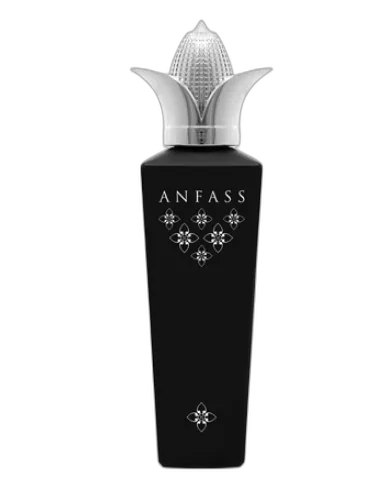
Anfas
Sarab Anfas
Shared top notes: bergamot
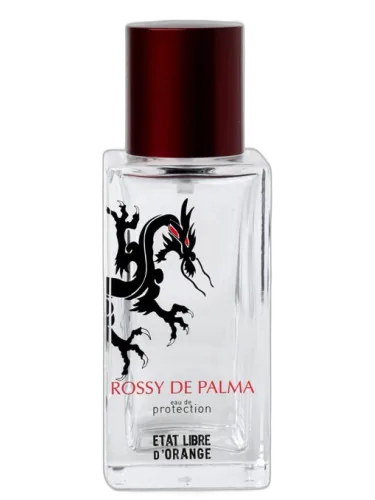
Etat Libre d'Orange
Rossy De Palma Eau De Protection Etat Libre D'orange
Shared top notes: bergamot
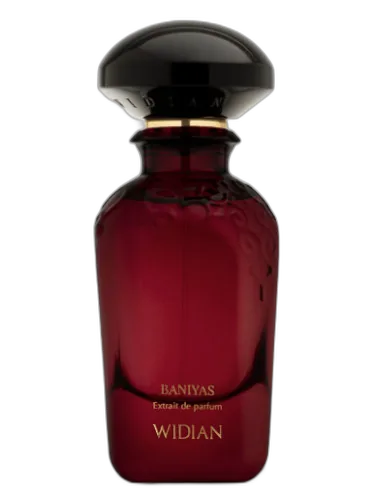
WIDIAN
Baniyas Widian
Shared top notes: bergamot
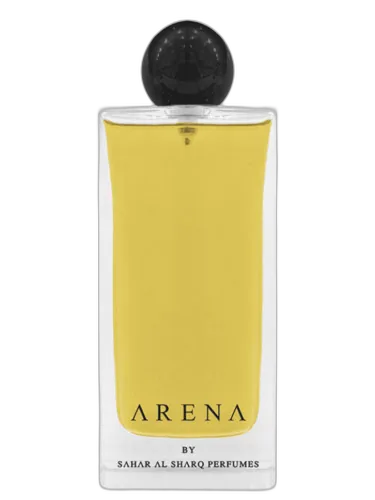
Sahar Al Sharq Perfumes
Arena Sahar Al Sharq Perfumes
Shared top notes: bergamot, saffron
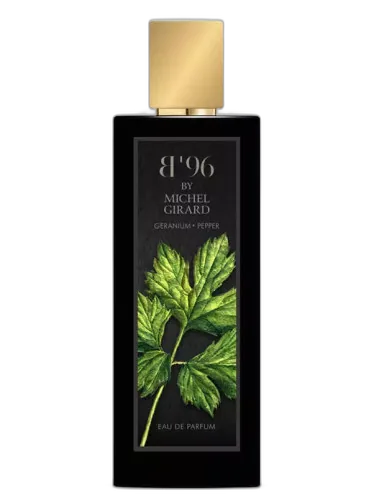
B96
Geranium Pepper B96
Shared heart notes: cedar, geranium