
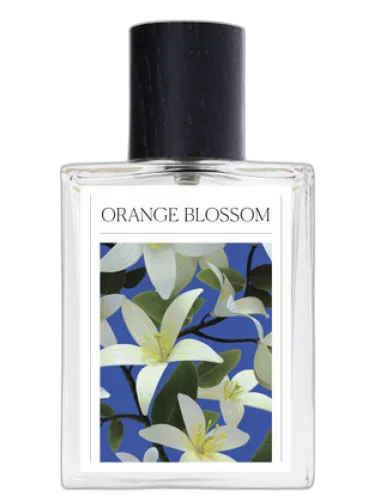

Orange Blossom The 7 Virtues
At a glance
Is Orange Blossom The 7 Virtues worth trying?
Orange Blossom by The 7 Virtues is a Floral fragrance for women and men.
- Best match
- Casual wear in Spring
- Performance feel
- Good longevity with Moderate sillage
- Signature profile
- citrus, white floral, aromatic with Petitgrain, Lemon, Mandarin Orange
The first impression
Orange Blossom by The 7 Virtues is a Floral fragrance for women and men. Orange Blossom was launched in 2018. The nose behind this fragrance is Angela Stavrevska. Top notes are Petitgrain, Lemon, Mandarin Orange, Grapefruit, Bergamot and Tangerine; middle notes are Orange Blossom, Neroli, Jasmine and Orris; base notes are Vetiver, Labdanum and Amber.
What shapes the scent
The perfumer behind it

Angela Stavrevska
Angela Stavrevska is a perfumer known for her work with Clive Christian, where she has crafted several distinctive fragrances. Her style blends bold contrasts, often pairing rich gourmand notes with unexpected elements like sweet clove or dark plum. Notable creations include Chasing The Dragon Euphoric and Hypnotic, as well as L Floral Chypre With Rich Patchouli and Viii Rococo Magnolia.
Notes pyramid
Top Notes
First impression · 15-30 min
 Petitgrain
 Lemon
Lemon
 Mandarin Orange
 Grapefruit
 Bergamot
 Tangerine
Heart Notes
Core character · 2-4 hours
 Orange Blossom
 Neroli
 Jasmine
 Orris
Orris
Base Notes
Lasting impression · 4+ hours
 Vetiver
 Labdanum
 Amber
Amber
The mood it creates
The Lover Archetype: Portrait of Orange Blossom The 7 Virtues
Essence
Archetype: The Innocent
The one who favors Orange Blossom by The 7 Virtues is drawn to purity, simplicity, and the quiet radiance of unspoiled beauty. Their scent is luminous, fresh, yet softly sweet-neither cloying nor fleeting. It speaks of sunlit groves, of petals unfurling without fear of decay. This person is, at their core, an embodiment of The Innocent-a soul who seeks harmony, trusts in goodness, and moves through life with an almost childlike faith in the inherent rightness of things.
Shadow
Yet, every archetype has its shadow, and theirs is the danger of fragility. Their trust can curdle into blind idealism, their optimism into denial. When faced with harsh truths-betrayal, cruelty, the grinding indifference of the world-they may retreat rather than confront. Their aversion to conflict can make them passive, allowing others to take advantage of their goodwill. At worst, they risk becoming the martyr, silently enduring pain while insisting everything is fine, their smile a fragile mask over unspoken resentment.
They might also struggle with depth. The Innocent, in their love of purity, can fear the messy, the complex, the morally ambiguous. They may shy away from the darker aspects of their own psyche, refusing to acknowledge their capacity for anger or selfishness. In doing so, they risk stagnation-a life so carefully curated for lightness that it never touches the transformative power of shadow.
Conclusion
Their tastes are refined but never ostentatious. They prefer clean lines in design, soft fabrics that whisper against the skin, and spaces filled with natural light. Their home is an oasis of calm, where white walls might be interrupted by the occasional muted pastel or a single vibrant bloom in a glass vase. They read poetry, but not the kind that wallows in despair-they favor Rilke’s Sonnets to Orpheus over Baudelaire’s Flowers of Evil. Music, too, follows this pattern: they love Debussy’s Clair de Lune for its shimmering delicacy, the way it suggests transcendence without demanding it.
Philosophically, they believe in kindness as a first principle, in the power of optimism to shape reality. They are not naive-they have seen suffering-but they choose to meet the world with an open heart rather than a guarded one. Their values are rooted in authenticity; they despise artifice, manipulation, and cynicism. In relationships, they are warm and nurturing, often the steady presence others lean on in moments of turmoil. Their love is gentle but unwavering, like the scent they wear-persistent, but never overwhelming.
If you like this, try these
Fragrances with a comparable profile - shared accords, notes, and character.
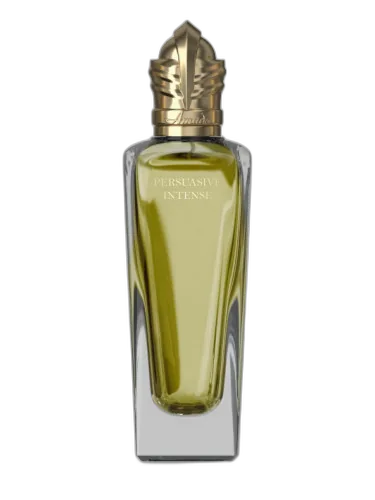
Amado
Persuasive Intense Amado
Shared top notes: grapefruit, mandarin orange
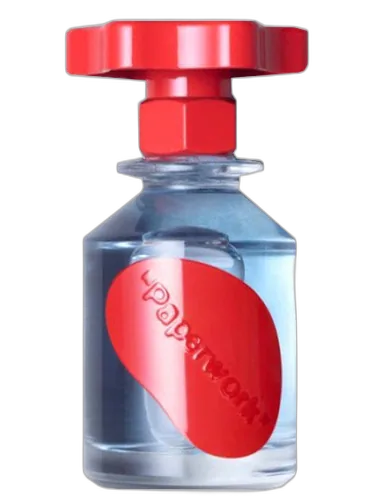
Off-White™
Solution No.2 Off-white™
Shared top notes: bergamot, lemon, petitgrain
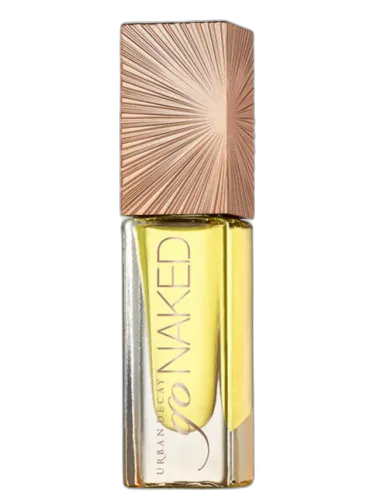
Urban Decay
Go Naked Perfume Oil Urban Decay
Shared top notes: bergamot, lemon, mandarin orange
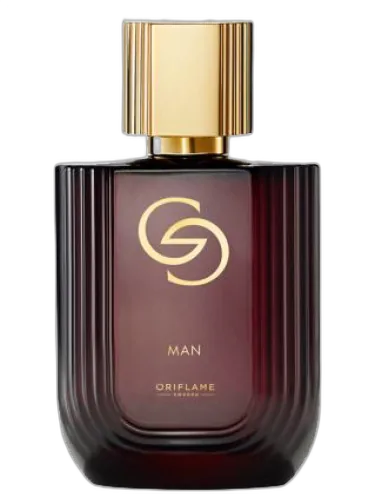
Oriflame
Giordani Gold Man Eau De Parfum Oriflame
Shared top notes: bergamot, mandarin orange, petitgrain
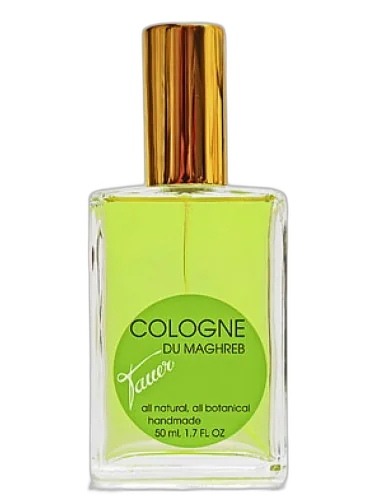
Tauer Perfumes
Cologne Du Maghreb Tauer Perfumes
Shared top notes: bergamot, lemon