


Shea The Body Shop
At a glance
Is Shea The Body Shop worth trying?
Shea by The Body Shop is a Floral fragrance for women and men.
- Best match
- Casual wear in Winter
- Performance feel
- Moderate longevity with Moderate sillage
- Signature profile
- floral, fresh, fruity with Shea Nuts, Shea Butter, Osmanthus
The first impression
Shea by The Body Shop is a Floral fragrance for women and men. Shea was launched in 2014.
What shapes the scent
The perfumer behind it

The Body Shop
The Body Shop is a globally recognized brand celebrated for its ethical and natural approach to beauty and fragrance. Their scents often feature botanical ingredients, emphasizing simplicity and sustainability. Shea exemplifies their commitment to creating comforting, nourishing fragrances. The brand continues to resonate with those who prioritize eco-conscious and accessible perfumery.
Notes pyramid
All Notes
Complete scent profile
 Shea Nuts
 Shea Butter
 Osmanthus
 Peony
Peony
The mood it creates
The Innocent Archetype: Portrait of Shea The Body Shop
Essence
To wear Shea by The Body Shop is to embrace warmth-not the fleeting heat of passion, but the enduring glow of comfort. This fragrance, earthy and rich, speaks of one who finds solace in simplicity, who values the tactile over the abstract, the grounded over the ethereal. Here is a person who does not chase the intoxicating rush of novelty but instead cultivates a sanctuary of stability. Their archetype is unmistakable: The Nurturer.
The Nurturer thrives in the act of care-not as obligation, but as instinct. Their philosophy is rooted in the belief that the world is softened by small kindnesses, that a warm meal, a listening ear, or the scent of shea butter on skin can be as profound as any grand gesture. They are the ones who remember birthdays, who bring homemade remedies to ailing friends, who prefer handwritten notes to digital messages. Their style reflects this: unpretentious, tactile, favoring natural fabrics and muted earth tones. They are drawn to textures-knitted wool, worn leather, the grain of wooden furniture-because these things carry history, warmth, the imprint of life.
Their relationships are their cornerstone. They do not seek to dazzle but to sustain. Partners, friends, and family rely on them for their quiet constancy. They are the steady hand in chaos, the voice that says, "Rest, I’ll take care of it." Yet this very strength can become their shadow.
Shadow
The Nurturer’s flaw is not in their generosity but in its excess. In their devotion to others, they may forget themselves, mistaking self-neglect for virtue. They may grow resentful when their care is taken for granted, yet struggle to voice their needs, fearing they will appear selfish. Their homes may be immaculate, their loved ones well-fed, but their own desires-buried beneath layers of service-can wither from neglect.
There is also a quiet stubbornness in their ways. They resist change, not out of fear, but because they have built their world on reliability. They may dismiss trends, scoff at fleeting fashions, and cling to routines long after they cease to serve them. Their shadow whispers: "If I stop giving, will I still matter?"
Conclusion
Their daily rituals are sacred: morning tea in a favorite mug, the slow application of shea lotion, the folding of laundry with deliberate care. They find joy in the tangible-baking bread, mending a torn hem, pressing flowers into books. They are not ascetics; they simply know that luxury need not shout. A well-worn novel, a candle flickering at dusk, the weight of a handmade quilt-these are their indulgences.
Yet beneath this contentment lies a quiet yearning. They wonder, in rare unguarded moments, if there is more-not in the sense of ambition, but in the depth of their own selfhood. Could they, too, be nurtured? Could they allow themselves to want without guilt?
If you like this, try these
Fragrances with a comparable profile - shared accords, notes, and character.
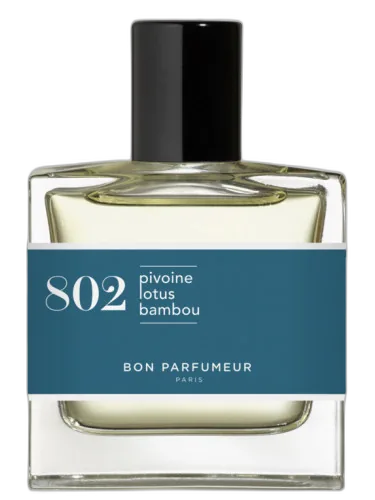
Bon Parfumeur
802 Pivoine, Lotus, Bambou Bon Parfumeur
Shared top notes: osmanthus

Issey Miyake
L'eau D'issey Summer Glimmer Issey Miyake
Shared top notes: osmanthus, peony
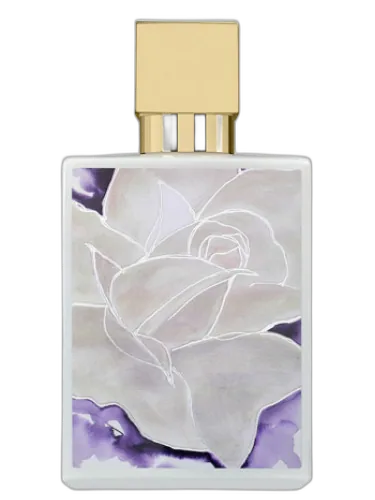
A Dozen Roses
Iced White A Dozen Roses
Shared top notes: osmanthus, peony

Amygdala
Peony Amygdala
Shared top notes: peony

Cartier
Les Heures De Cartier: L'heure Diaphane Viii Cartier
Shared top notes: peony