


Into The White The Different Company
At a glance
Is Into The White The Different Company worth trying?
Into The White by The Different Company is a Floral fragrance for women.
- Best match
- Casual wear in Spring
- Performance feel
- Moderate longevity with Moderate sillage
- Signature profile
- floral, citrus, sweet with Bitter Orange, Neroli, Petitgrain
The first impression
Into The White by The Different Company is a Floral fragrance for women. Into The White was launched in 2019. The nose behind this fragrance is Celine Ellena. Top notes are Bitter Orange, Neroli and Petitgrain; middle notes are Lime (Linden) Blossom, Hazel Bloosom and Black Elder; base notes are Musk, Plum and Tuberose.
What shapes the scent
The perfumer behind it

Celine Ellena
Celine Ellena is a French perfumer who has created fragrances for 100 Bon, E. Marinella, and Fragonard. Her portfolio includes the warm Ambre & Tonka and the floral Mon Lys for Fragonard. She often explores natural ingredients like lavender and iris, resulting in elegant and accessible scents.
Notes pyramid
Top Notes
First impression · 15-30 min
 Bitter Orange
 Neroli
 Petitgrain
Heart Notes
Core character · 2-4 hours
 Lime (Linden) Blossom
 Hazel Bloosom
 Black Elder
Base Notes
Lasting impression · 4+ hours
 Musk
Musk
 Plum
Plum
 Tuberose
The mood it creates
The Sage Archetype: Portrait of Into The White The Different Company
Essence
The one who wears Into The White by The Different Company is drawn to purity, clarity, and a quiet transcendence. This fragrance-cool, ethereal, yet grounded in clean musk and white florals-reflects a mind that seeks truth beyond the noise of the world. They are the Sage, the archetype of wisdom, introspection, and the relentless pursuit of understanding. Their life is a study in refinement, not of material excess, but of thought, perception, and the subtle beauty of restraint.
They move through the world with an air of detachment, not out of coldness, but because they are always observing, analyzing, distilling experience into meaning. Their presence is neither loud nor demanding, yet it lingers-like the scent itself-long after they have left the room.
Style & Aesthetic
Their tastes are deliberate, almost ascetic in their precision. They prefer minimalist design, spaces where light and emptiness speak louder than clutter. Their wardrobe is a study in monochrome-whites, creams, soft grays-each piece chosen for texture and quiet elegance rather than trend. They are drawn to art that suggests rather than declares: a Rothko painting, a haiku, the silence between notes in a Satie composition.
Philosophically, they reject dogma but embrace inquiry. They are not satisfied with easy answers, preferring the tension of paradox. Stoicism appeals to them, not as a denial of emotion, but as a way to master it. They value rationality, yet they know that wisdom often emerges from the irrational, the intuitive, the fleeting moment of insight.
Relationships
Their connections are few but profound. They do not seek companionship for its own sake; they crave minds that challenge them, souls that understand the weight of silence. In love, they are slow to trust, but once committed, they offer a rare depth of loyalty. Their partner must respect their need for solitude, for they are not one to merge entirely-they remain, in some essential way, a solitary figure even in intimacy.
Friends admire their insight but sometimes find them distant. They do not engage in small talk, not out of arrogance, but because they see no purpose in words without substance. Their shadow here is a tendency toward intellectual elitism-an impatience with those who do not share their hunger for depth.
Shadow
For all their wisdom, the Sage risks becoming trapped in their own mind. Their pursuit of clarity can harden into a refusal to engage with life’s messiness. They may withdraw too far, mistaking solitude for enlightenment, when in truth, they are avoiding the vulnerability of true connection.
At their worst, they become the Recluse, a figure so detached from the world that their wisdom turns sterile. They may dismiss emotion as weakness, forgetting that even the purest truth must sometimes be felt, not just understood.
Conclusion
The ideal expression of this archetype is not the cold philosopher, but the one who brings light into the world without scorching it. They learn, in time, that wisdom is not just to be hoarded-it is to be shared, gently, with those who are ready to receive it.
They are the quiet mentor, the unseen guide, the one who leaves traces of clarity like footprints in snow. And though they may never fully belong to the world, the world is richer for their presence.
If you like this, try these
Fragrances with a comparable profile - shared accords, notes, and character.

One Day
002 Spring Breeze One Day
Shared top notes: neroli, petitgrain
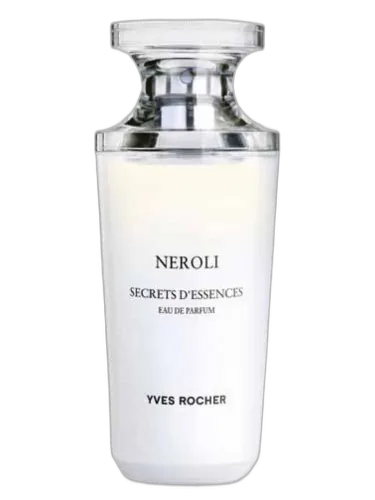
Yves Rocher
Secret D'essences Neroli Yves Rocher
Shared top notes: bitter orange, petitgrain
The Different Company
Un Parfum D'ailleurs Et Fleurs The Different Company
Shared top notes: bitter orange
Yohji Yamamoto
Yohji Senses Yohji Yamamoto
Shared top notes: neroli

Laboratorio Olfattivo
Tiglio Mirabilis Laboratorio Olfattivo
Shared top notes: neroli