
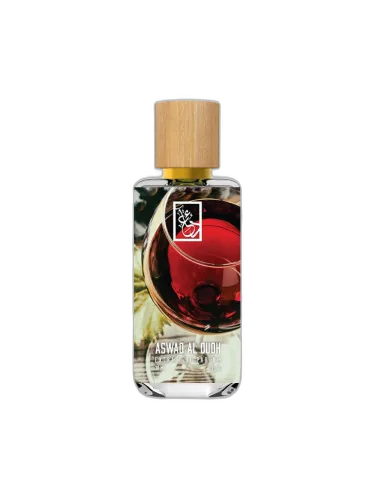

Aswad Al Oudh The Dua Brand
At a glance
Is Aswad Al Oudh The Dua Brand worth trying?
Aswad al Oudh by The Dua Brand is a fragrance for women and men.
- Best match
- Evening wear in Winter
- Performance feel
- Excellent longevity with Strong sillage
- Signature profile
- wine with Red Wine, French labdanum, White Musk
The first impression
Aswad al Oudh by The Dua Brand is a fragrance for women and men. Aswad al Oudh was launched in 2016.
What shapes the scent
The perfumer behind it

Unknown Perfumer
Notes pyramid
All Notes
Complete scent profile
 Red Wine
 French labdanum
White Musk
French labdanum
White Musk
The mood it creates
The Mystic Archetype: Portrait of Aswad Al Oudh The Dua Brand
Essence
This person is most closely aligned with the Sage-the seeker of wisdom, the interpreter of hidden truths. The Sage does not merely observe life; they dissect it, searching for deeper meaning in every scent, symbol, and silence. Aswad Al Oudh, with its dark, resinous depth, smoky richness, and mystical allure, is their olfactory manifesto. It is not a fragrance for the frivolous; it is for those who understand that beauty lies in the unseen, the complex, the sacred.
Style & Aesthetic
Their wardrobe is deliberate, favoring textures that echo the depth of their fragrance: dark leather, aged velvet, perhaps a well-worn cashmere scarf. They prefer muted, earthy tones-charcoal, deep burgundy, forest green-colors that suggest gravity rather than frivolity. Their jewelry, if they wear any, is likely symbolic: a signet ring, an antique talisman, something that carries a story.
Their home is a sanctuary of contemplation-dim lighting, shelves lined with well-thumbed books, perhaps an oud incense burner in the corner. They do not decorate for trends; they curate for meaning.
They rise early, savoring the quiet hours before the world awakens. Their mornings may involve meditation, journaling, or simply sitting with a cup of black coffee, absorbing the stillness. They are drawn to rituals-whether spiritual, artistic, or simply personal-because rituals are the architecture of meaning.
Work is not just a means to an end; it must align with their values. They may be scholars, writers, therapists, or artists-any vocation that allows them to explore the unseen layers of life. Yet, their perfectionism can become paralyzing. The shadow of the Sage is analysis paralysis-the inability to act because they are forever lost in thought.
Philosophy & Values
They believe in the power of knowledge, not as mere accumulation of facts, but as an alchemical process-transforming raw experience into wisdom. Their philosophy is contemplative, often veering toward the esoteric. They may be drawn to Sufi poetry, Jungian psychology, or ancient philosophies that explore the tension between light and shadow. Truth is not something they passively accept; it is something they wrestle with, like Jacob with the angel.
Yet, their reverence for wisdom can sometimes harden into dogma. They may dismiss simpler pleasures as "unworthy" or look down on those who do not share their intellectual pursuits. The shadow of the Sage is the Dogmatist-the one who mistakes their own insights for absolute truth.
Relationships
They are not a social butterfly, but neither are they a recluse. Their relationships are few but intense, built on mutual respect for depth and authenticity. Small talk exhausts them; they crave conversations that unravel the mysteries of existence. Romantic partners must be equally comfortable in silence and in debate, for this person values intellectual and spiritual intimacy as much as physical connection.
Yet, their intensity can be isolating. They may unintentionally intimidate others with their penetrating gaze or their reluctance to engage in trivialities. The shadow here is emotional detachment-a tendency to over-intellectualize feelings rather than experience them.
Shadow
At their best, they are guides-illuminating paths for others, offering wisdom without arrogance, and reminding the world that there is more beneath the surface. At their worst, they are isolated intellectuals, mistaking their own depth for superiority, growing rigid in their convictions.
But even their flaws serve a purpose. Their occasional arrogance is the price of their insight; their solitude is the cost of their depth. They are not for everyone-but for those who recognize them, they are a rare flame in the dark.
Aswad Al Oudh is their scent because it is not just a fragrance-it is an incantation, a whisper of the sacred, a reminder that the most profound truths are often hidden in the shadows.
If you like this, try these
Fragrances with a comparable profile - shared accords, notes, and character.
Niche House
Vin Rouge Niche House
Shared accords: wine

M8 Moods
Puro M8 Moods
Shared top notes: white musk
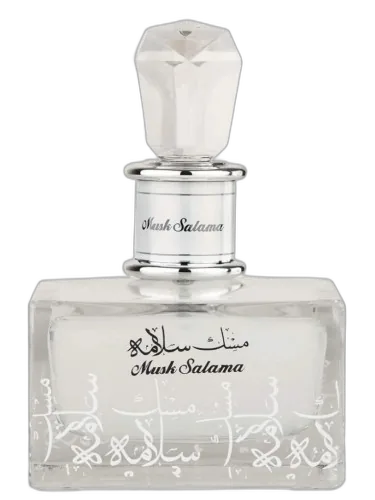
Lattafa Perfumes
Musk Salama Lattafa Perfumes
Shared top notes: white musk
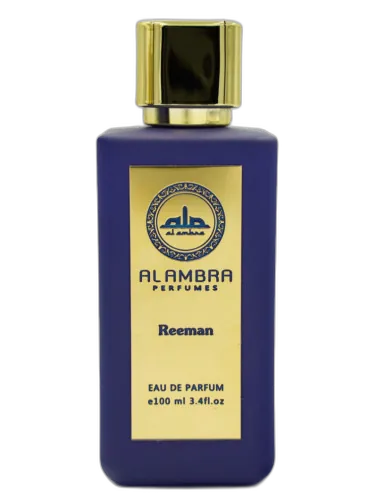
Al Ambra
Reeman Al Ambra
Shared top notes: white musk

Demeter Fragrance
Dregs Demeter Fragrance
Shared top notes: red wine