
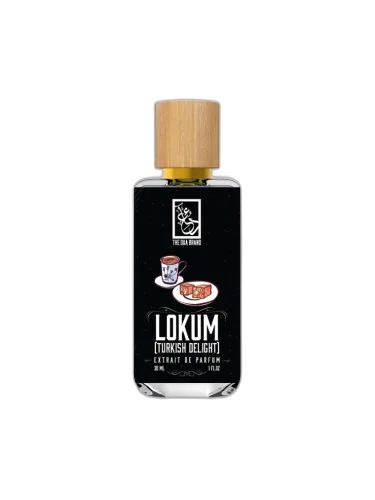

Lokum (turkish Delight) The Dua Brand
At a glance
Is Lokum (turkish Delight) The Dua Brand worth trying?
Lokum (Turkish Delight) by The Dua Brand is a Floral Fruity Gourmand fragrance for women and men.
- Best match
- Evening wear in Winter
- Performance feel
- Excellent longevity with Strong sillage
- Signature profile
- citrus, musky, sweet with White Musk, Orange, Lemon
The first impression
Lokum (Turkish Delight) by The Dua Brand is a Floral Fruity Gourmand fragrance for women and men. This is a new fragrance. Lokum (Turkish Delight) was launched in 2022.
What shapes the scent
The perfumer behind it

Unknown Perfumer
Notes pyramid
All Notes
Complete scent profile
 White Musk
 Orange
 Lemon
Lemon
 Pistachio
 Sugar
Sugar
 Condensed Milk
 Raspberry
The mood it creates
The Lover Archetype: Portrait of Lokum (turkish Delight) The Dua Brand
Essence
At the core of this person’s being lies The Hedonist-an archetype devoted to pleasure, sensuality, and the art of savoring life’s finest textures. They do not merely wear Lokum by Dua Brand; they embody it. The fragrance-a rich, velvety blend of rose, honey, vanilla, and spice-mirrors their essence: decadent yet balanced, indulgent yet refined. Like Turkish Delight itself, they are a paradox-soft yet resilient, sweet but never cloying.
Style & Aesthetic
They dress with deliberate elegance-flowing fabrics, deep jewel tones, perhaps a single ornate ring that catches the light just so. Their wardrobe is not loud, but it speaks. They favor textures that invite touch: cashmere, velvet, the faintest sheen of silk. Their scent-Lokum-is their signature, a whispered promise of indulgence.
To love Lokum is to embrace a philosophy: life is fleeting, so one must drink deeply of its sweetness. This person does not merely exist-they savor. Their greatest strength is their ability to find joy in the smallest things; their greatest challenge is to remember that even bitterness has its place in a life fully lived.
They are, in the end, a walking contradiction-both the delight and the delicacy, the one who feasts and the feast itself.
Relationships
In love and friendship, they are magnetic-effortlessly drawing others in with their warmth, wit, and generosity. They are the kind of person who remembers your favorite wine, who gifts you a rare spice from their travels, who fills a room with laughter that lingers like perfume. Their presence is intoxicating, and people leave their company feeling lighter, as if they’ve been wrapped in something precious.
Yet, their shadow lurks beneath the sweetness. Their love of pleasure can tip into avoidance-using sensory delights to escape discomfort, responsibility, or emotional depth. They may grow impatient with those who cannot match their enthusiasm for life, dismissing melancholy as a failure of will rather than a natural human state. Their greatest fear? A life devoid of beauty, a world stripped of its richness.
Shadow
For all their grace, they risk becoming prisoners of their own desires. When unbalanced, they may grow restless, seeking ever-new thrills to fill an inner void they refuse to name. Their disdain for austerity can turn into a fear of hardship, making them avoid necessary struggles. They may also struggle with superficiality, mistaking the appearance of depth for the real thing.
Yet, when they embrace their shadow, they learn that true hedonism is not just about pleasure-but about meaningful pleasure. The finest delights are those shared, those that leave a mark on the soul, not just the senses.
Conclusion
Their world is one of deliberate luxury, not in the vulgar sense of excess, but in the careful cultivation of beauty. They surround themselves with textures that please the fingertips-silk scarves, aged leather books, hand-thrown ceramics glazed in deep, lustrous hues. Their home is a sanctuary of warmth: low lighting, plush cushions, the faint hum of a record spinning Ottoman classical music. They do not merely eat; they dine, relishing each bite as if it were a fleeting masterpiece.
Philosophically, they reject asceticism as a form of self-denial, yet they are not slaves to impulse. Their hedonism is disciplined, almost ritualistic. They believe pleasure is an art, and to indulge poorly is a sin against the senses.
If you like this, try these
Fragrances with a comparable profile - shared accords, notes, and character.
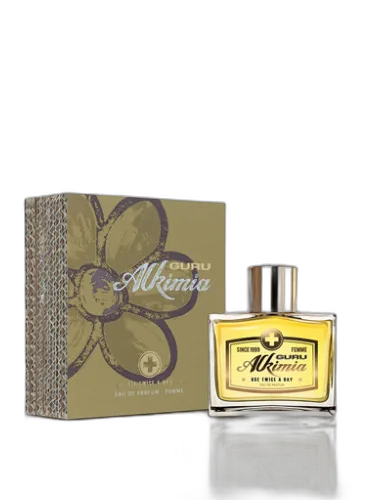
Guru Scent
Alkimia Donna Guru Scent
Shared top notes: lemon, orange

Sospiro Perfumes
Erba Pura Sospiro Perfumes
Shared top notes: lemon, orange
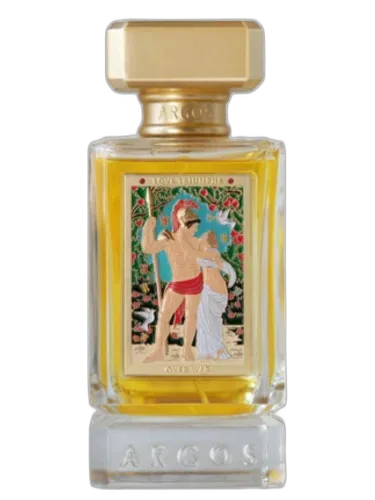
Argos
Love Triumphs Over War Argos
Shared top notes: lemon, orange, raspberry
Somens
Éclair Somens
Shared top notes: lemon, orange

Moresque
Moreta Moresque
Shared top notes: lemon, orange